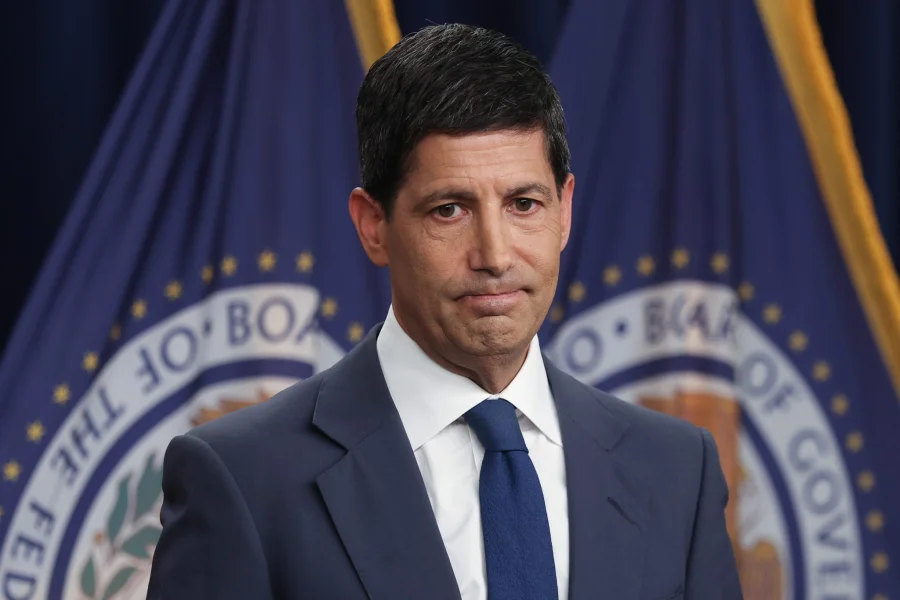
The Federal Reserve’s decision to leave interest rates unchanged this week might sound like a pause. But for millions of American households already feeling the sting of tariffs and rising debt, it feels more like a holding pattern — with no clear landing in sight.
Fed holds rates as inflation stays stubbornly high
The Fed’s target inflation rate is 2%. The current rate is 3.5%. That gap — wide and persistent — is why the central bank’s decision to hold rates sparked rare public dissent. Three regional Fed presidents voted to raise rates, a sign of deepening internal disagreement over how to handle an economy that refuses to cool.
Why the Fed’s inaction hits consumers hardest
For consumers, the Fed’s decision means borrowing costs — on credit cards, car loans, and mortgages — will remain elevated. At the same time, tariffs on imported goods are pushing up prices on everything from electronics to groceries. Household debt, already at record levels, is becoming harder to manage. The squeeze is real and growing.
Kevin Warsh’s first major test as Fed chair
Fed Chair Kevin Warsh, who took over from Jerome Powell, described the rate decision as “a real family fight.” Unlike his predecessor, Warsh has declined to offer forward guidance — meaning markets and consumers are left guessing about the next move. “That’s the way to get policy right,” he said, but the lack of clarity is unsettling for those planning their finances.
Who is feeling the pressure most
Lower- and middle-income households are bearing the brunt. Tariffs raise the cost of everyday goods. Stubborn inflation eats into wages. And with interest rates high, refinancing debt or taking out new loans is more expensive. Small business owners, too, are caught between higher input costs and cautious consumers.
What the dissent within the Fed reveals
The three dissenting votes — from regional presidents who wanted a rate hike — suggest a hawkish faction believes the Fed is not acting aggressively enough. Their concern: if inflation stays above target too long, it becomes entrenched, requiring even sharper rate increases later. The internal split raises questions about the Fed’s unity and direction.
Tariffs and debt: the double burden on households
Tariffs, imposed on a range of imports, are effectively a tax on consumers. Combined with high interest rates that make debt more expensive, the two forces are compressing household budgets. Credit card delinquencies are rising, and savings buffers built during the pandemic are shrinking for many families.
Confirmed Facts vs What Remains Unclear
Confirmed: The Fed held rates steady. Inflation is at 3.5%. Three regional presidents dissented, favoring a hike. Warsh described internal disagreement as a “family fight.” No forward guidance was given. Unclear: When the Fed might next move rates. Whether tariffs will be reduced. How long consumer debt pressures will persist. The trajectory of inflation in coming months.
Risks and Balanced View
Critics argue the Fed is moving too slowly, risking entrenched inflation that will require sharper corrections later. Supporters of the hold say raising rates could choke off economic growth prematurely. Consumers face a no-win scenario: high prices now, or the risk of a recession later. The lack of clear communication from Warsh adds to the uncertainty.
Wider economic pattern: a global inflation puzzle
The U.S. is not alone. Central banks in Europe and the UK are also wrestling with sticky inflation and tariff-related price pressures. The global trend suggests that post-pandemic inflation is proving harder to tame than expected, partly due to supply chain disruptions and trade policy shifts that are outside central banks’ control.
What consumers should watch for now
For households, the key indicators to monitor are monthly inflation data, Fed meeting minutes, and any signals from Warsh about future policy. Those with variable-rate debt should consider locking in fixed rates if possible. Budgeting for higher prices on imported goods is prudent. Staying informed about tariff policy changes can help anticipate cost shifts.
What could happen next
If inflation does not ease, pressure on the Fed to raise rates will intensify — possibly leading to a hike later this year. If tariffs are reduced, some price relief could follow. But if both remain in place, the squeeze on consumers will likely deepen. Warsh’s next public remarks will be closely watched for any hint of direction.
Our Take
The Fed’s decision to hold rates, while understandable given mixed economic signals, leaves consumers in a difficult position. The internal dissent is a reminder that even the experts disagree. For ordinary Americans, the immediate reality is clear: prices are high, debt is expensive, and relief is not guaranteed. The story here is not just about monetary policy — it’s about the real-world impact on people trying to make ends meet.
Frequently Asked Questions
Why did the Fed leave interest rates unchanged?
The Fed held rates because it wants to see inflation fall closer to its 2% target before making further moves. However, with inflation at 3.5%, three regional presidents disagreed and voted for a rate hike.
How do tariffs affect consumers right now?
Tariffs raise the cost of imported goods, from electronics to groceries. These costs are often passed on to consumers, adding to the pressure from already-high inflation and expensive debt.
What does the Fed’s internal disagreement mean for me?
The split among Fed officials means future policy is uncertain. If the hawkish faction prevails, rates could rise, making borrowing even more expensive. If the doves win, rates may stay steady longer, but inflation could persist.
Should I expect interest rates to go up soon?
Not necessarily. Fed Chair Kevin Warsh has not given forward guidance, so the next move is unclear. Watch inflation data and Fed statements for clues. For now, prepare for rates to stay where they are or rise gradually.