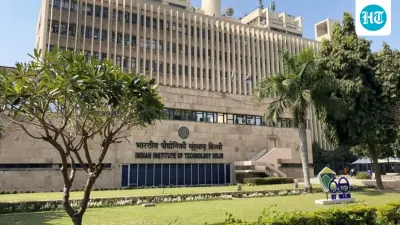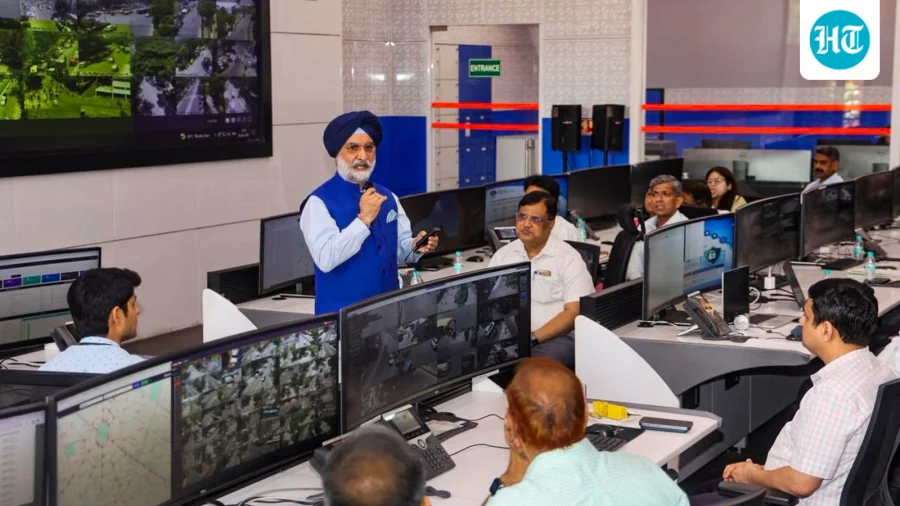
Sixteen months after the Smart Cities Mission officially ended in March 2025 with the cessation of central funding, the digital backbone that powers these urban hubs is under severe strain. Sources indicate that remaining funds are likely to run out by September 2025, leaving cities scrambling to maintain critical infrastructure.
What is at stake: the digital backbone of smart cities
The Smart Cities Mission, launched in 2015, created integrated command-and-control centres (ICCCs) that manage everything from traffic signals and streetlights to surveillance cameras and public Wi-Fi. These hubs were designed to be the nerve centres of urban governance. Without sustained funding, these systems face degradation — affecting real-time traffic management, emergency response coordination, and public safety monitoring.
Why this matters for millions of urban Indians
For residents in smart cities like Pune, Ahmedabad, Bhubaneswar, and Jaipur, the impact is immediate. Smart traffic systems that reduce congestion, surveillance networks that aid law enforcement, and digital platforms for citizen services all depend on these hubs. If funding runs out, cities may revert to manual or outdated systems, leading to longer commute times, slower emergency responses, and reduced public safety.
How we got here: a timeline of the Smart Cities Mission
The Smart Cities Mission was launched in 2015 with a five-year timeline, later extended. By March 2025, central funding officially ended, as per the mission's design. However, the operational costs of maintaining the digital infrastructure — including software licenses, hardware upgrades, and staff salaries — were not fully accounted for in the transition plan. Many cities had hoped for a central extension or a state-level takeover, but no clear roadmap emerged.
Who is affected: cities, citizens, and contractors
Municipal corporations are now bearing the financial burden. Some cities have reported delays in paying technology vendors, leading to service interruptions. Citizens in smaller smart cities, where local revenue is limited, are likely to feel the strain more acutely. Contractors who built and maintain the ICCCs face uncertainty about future contracts, potentially leading to a loss of skilled personnel.
What officials and experts are saying
While no official statement has been issued by the Ministry of Housing and Urban Affairs, urban policy experts have warned of a looming crisis. "The Smart Cities Mission created world-class digital infrastructure, but the operational sustainability was never fully addressed," said a senior urban planner who spoke on condition of anonymity. "Without a clear funding mechanism, these hubs will become white elephants."
What this means for India's urban future
The funding gap raises broader questions about India's approach to urban infrastructure. The Smart Cities Mission was a flagship programme, but its end-of-life planning appears inadequate. If states do not step in, the digital transformation of Indian cities could stall, undermining years of investment and innovation.
Confirmed facts vs what remains unclear
Confirmed: Central funding for the Smart Cities Mission ended in March 2025. Remaining funds are likely to run out by September 2025. Many ICCCs are under operational strain. Unclear: Whether the central government will provide any bridge funding. Whether states will take over operational costs. The exact number of cities facing immediate service disruption. All speculation about specific city-level impacts is based on reported trends, not verified data.
Risks and balanced view
The situation is not uniformly dire. Some larger smart cities with strong municipal revenues may absorb the costs. Private sector partnerships could also provide alternative funding. However, for smaller cities, the risk of service degradation is real. Critics argue that the mission's design should have included a sustainability plan from the start. Supporters say the mission achieved its goal of creating a digital template, but the transition to state funding was always intended.
A wider pattern: India's infrastructure funding challenge
The Smart City Mission funding gap mirrors a broader challenge in Indian urban governance: central schemes often create infrastructure without a clear plan for long-term maintenance. Similar issues have been seen with AMRUT (Atal Mission for Rejuvenation and Urban Transformation) and other urban programmes. The lesson is clear: infrastructure creation and operational sustainability must be planned together.
What citizens and city officials should do now
For citizens: engage with local municipal corporations to understand the status of smart city services in your area. For city officials: explore state government funding, public-private partnerships, and service-level agreements with technology vendors. For state governments: consider taking over operational costs as a priority, given the public safety and efficiency implications.
What happens next
September 2025 is a critical deadline. If no funding solution emerges, some ICCCs may scale down operations or shut down non-essential services. The central government may face pressure to provide a one-time bridge fund. State governments could also step in, but budget constraints may limit their ability. The coming months will determine whether India's smart city experiment remains a success story or becomes a cautionary tale.
Our Take
The Smart Cities Mission was a bold and largely successful initiative that brought digital governance to Indian cities. But the funding cliff it now faces is a classic case of infrastructure planning without lifecycle thinking. The mission's end should have been accompanied by a clear transition plan, not a sudden funding stop. The real test now is not whether the technology works — it does — but whether India's federal system can sustain it. This is a story about governance, not just technology. And the outcome will shape urban India for years to come.
Frequently Asked Questions
What is the Smart Cities Mission?
The Smart Cities Mission was a flagship urban renewal and retrofitting programme launched by the Government of India in 2015. It aimed to develop 100 smart cities with digital infrastructure, including integrated command-and-control centres, smart traffic systems, and surveillance networks.
Why are Smart City Mission funds running out?
Central funding for the mission officially ended in March 2025. The remaining funds are now expected to be exhausted by September 2025, leaving cities to bear the operational costs of maintaining the digital hubs.
Which cities are affected by the funding strain?
All 100 smart cities are potentially affected, but smaller cities with limited municipal revenues are likely to face the most severe strain. Major cities like Pune, Ahmedabad, and Bhubaneswar may have more resources to manage the transition.
What can citizens do if smart city services decline?
Citizens can contact their local municipal corporation to inquire about service status, attend public meetings, and raise the issue with elected representatives. Advocacy for state-level funding or public-private partnerships may also help.