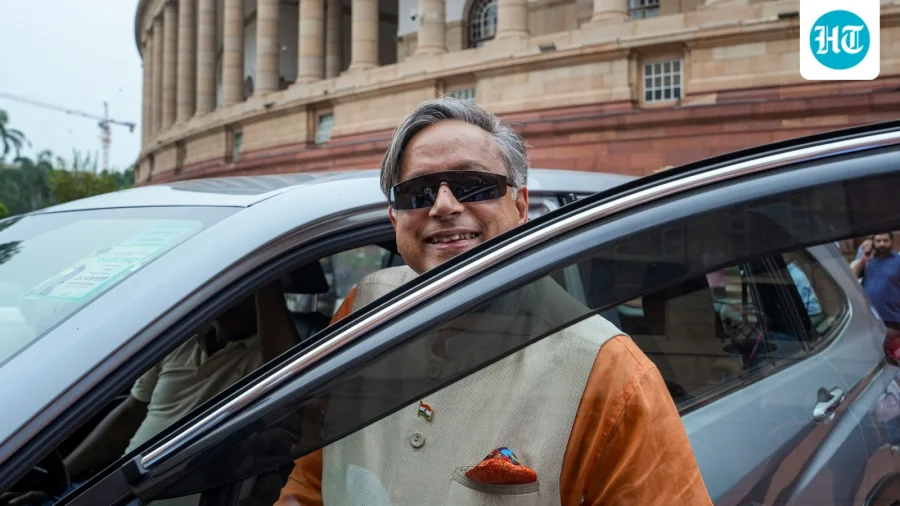
In a moment that perfectly captures the generational divide on social media, Congress MP Shashi Tharoor's son, Ishaan Tharoor, made a playful request that quickly went viral: ban ‘boomers’ from WhatsApp. But the senior Tharoor, known for his sharp wit, was quick to outmaneuver his son with a response that left the internet in splits.
The joke that sparked a viral moment
Ishaan Tharoor, who is active on social media, posted a lighthearted suggestion that WhatsApp should introduce a feature to ban ‘boomers’—a term often used to refer to older generations, particularly Baby Boomers, in a teasing or dismissive manner. The post was clearly intended as humor, tapping into the common online trope of younger users poking fun at older ones for their digital habits.
Tharoor's witty counter-punch
Shashi Tharoor, never one to miss an opportunity for a clever retort, responded with a suggestion of his own: perhaps it was his son who should be banned instead. The Congress MP's reply was both playful and pointed, turning the joke back on Ishaan while highlighting the absurdity of the original request. The exchange quickly gained traction, with users praising Tharoor's quick thinking and humor.
Why this exchange resonates
The banter between father and son struck a chord because it reflects a broader cultural phenomenon. The term ‘boomer’ has become a shorthand for generational conflict online, often used in memes and jokes. Tharoor's response, however, reframed the narrative, showing that humor can bridge—rather than deepen—the divide. It also showcased the Congress MP's ability to engage with digital culture without losing his characteristic eloquence.
Who is affected and why it matters
For many Indians, especially those active on WhatsApp and social media, this exchange is relatable. It mirrors the everyday humor and tension between generations in families and workplaces. The viral nature of the post also highlights how public figures like Tharoor can humanize themselves through such interactions, moving beyond political rhetoric to connect with a wider audience.
Official response and social media reaction
Neither Shashi Tharoor nor Ishaan Tharoor issued formal statements beyond the social media posts. However, the exchange was widely shared and commented on by users, with many applauding Tharoor's wit. Some pointed out that the joke also subtly critiqued the tendency to stereotype entire generations. The incident remains a lighthearted moment in the often serious world of Indian politics.
Deeper meaning behind the banter
Beyond the humor, the exchange touches on real issues of digital literacy and generational communication. While ‘boomers’ are often caricatured as technologically inept, the reality is more nuanced. Tharoor's response gently reminded his son—and the audience—that age does not determine one's ability to engage with technology or humor. It also underscored the importance of not taking online jokes too seriously.
Confirmed facts vs what remains unclear
What is confirmed: Ishaan Tharoor posted a joke about banning boomers on WhatsApp, and Shashi Tharoor responded with a witty counter-suggestion. The exchange went viral. What remains unclear is whether the post was part of a larger conversation or simply a spontaneous joke. No further context or follow-up posts have been shared by either party.
Risks and balanced view
While the exchange was lighthearted, it also highlights the potential for generational stereotypes to be reinforced. Some critics argue that terms like ‘boomer’ can be dismissive and ageist, even when used in jest. Others see it as harmless fun. The incident serves as a reminder that humor, while bonding, can also inadvertently alienate if not handled with care.
Wider trend: Generational humor online
This exchange is part of a larger trend of generational humor on social media, where terms like ‘OK boomer’ have become viral phenomena. Such jokes often reflect deeper frustrations about technology, values, and communication styles. However, they also offer opportunities for connection, as seen in Tharoor's response, which turned a potential insult into a moment of shared laughter.
Practical reader guidance
For readers, this exchange is a reminder to approach generational jokes with a sense of humor and perspective. If you find yourself on either side of such a joke, consider responding with wit rather than offense. It's also a good example of how public figures can use social media to build rapport with their audience, showing a human side beyond their political roles.
Future outlook
While no formal action is expected from WhatsApp or any other platform, the exchange may inspire more such playful interactions between public figures and their families. It also reinforces the idea that social media can be a space for genuine, human moments—not just political statements or controversies.
Our Take
This story is a refreshing reminder that not every viral moment needs to be serious or divisive. Shashi Tharoor's response was a masterclass in using humor to diffuse a potentially awkward situation, while also subtly challenging generational stereotypes. It's a small but meaningful example of how wit and wisdom can coexist in the digital age.
Frequently Asked Questions
What did Shashi Tharoor's son say about boomers on WhatsApp?
Ishaan Tharoor jokingly suggested that WhatsApp should introduce a feature to ban ‘boomers’ from the platform, a term often used to refer to older generations in a teasing manner.
How did Shashi Tharoor respond to his son's joke?
Shashi Tharoor responded with a witty counter-suggestion, implying that perhaps his son should be banned instead, turning the joke back on Ishaan.
Why did this exchange go viral?
The exchange went viral because it captured the playful generational divide on social media, with Tharoor's clever retort resonating with users who appreciated the humor and the human side of a political figure.
Is there any serious controversy behind this joke?
No, the exchange was entirely lighthearted and not intended to cause controversy. It was a moment of family banter that highlighted generational humor without any serious implications.