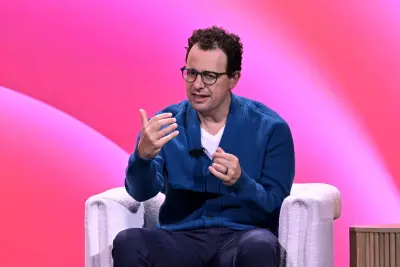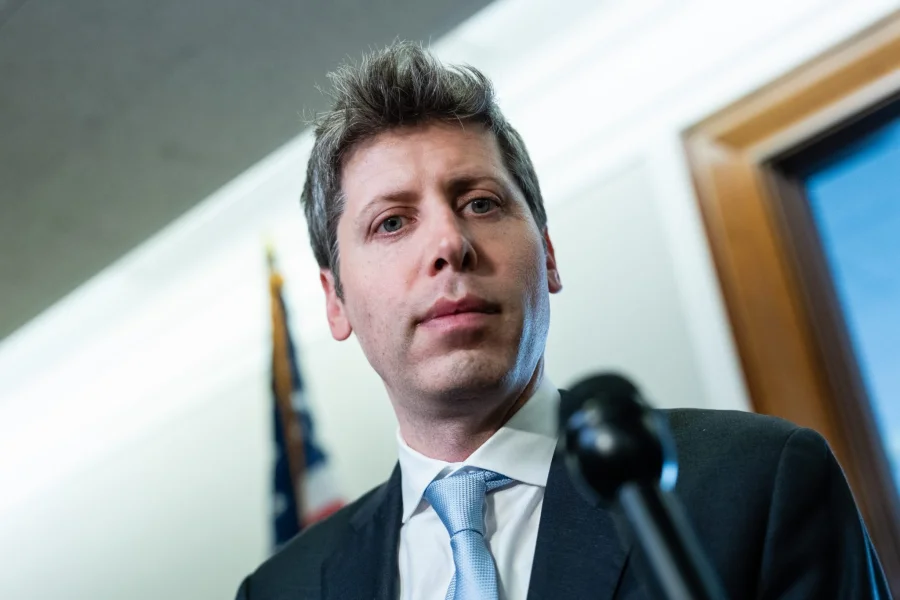
The tension between two of tech’s most powerful names just went public. OpenAI, led by Sam Altman, has issued a scathing response to Apple’s lawsuit, with the CEO directly declaring: “Apple is getting this wrong.” The statement, published through OpenAI’s official channels, marks a rare and aggressive public confrontation between the ChatGPT maker and the iPhone giant.
Why OpenAI’s Sharp Rebuke of Apple’s Legal Move Matters
This is not a quiet legal skirmish. OpenAI’s decision to publicly shame Apple’s legal strategy signals a breakdown in behind-the-scenes negotiations. For users and developers, this could mean delays in AI integrations across Apple devices, which many had hoped would bring advanced AI tools to iPhones and Macs seamlessly.
The public nature of the critique suggests OpenAI believes it has the upper hand in public opinion, even if the legal outcome is uncertain. It also reflects a broader shift where AI companies are no longer willing to play second fiddle to established hardware giants.
The Backstory: How Did We Get Here?
While the specific details of Apple’s lawsuit against OpenAI are not fully detailed in available reports, the conflict appears rooted in disagreements over AI technology usage and business practices. Apple has been ramping up its own AI efforts, and tensions with external partners like OpenAI have been simmering for months.
Industry insiders note that Apple’s approach to AI has been more cautious and privacy-focused, while OpenAI pushes for rapid deployment and aggressive scaling. This philosophical divide may be at the heart of the legal clash.
What This Means for Everyday Users and Developers
If you use an iPhone, you might be wondering: will this affect Siri or future AI features? The answer is uncertain. A prolonged legal battle could slow down AI-powered upgrades on Apple devices, leaving users with older, less capable assistants while competitors like Android race ahead.
For developers building on OpenAI’s API, the dispute raises questions about long-term access to Apple’s massive user base. Many startups had hoped to ride on a potential OpenAI-Apple partnership to reach millions of consumers.
OpenAI’s Official Stance: A Direct Message to Apple
OpenAI’s published critique is unusually blunt for corporate communications. By having Altman personally attach his name to the statement, the company is making clear this is a leadership-level priority. The phrase “Apple is getting this wrong” is not legal jargon—it is a public challenge designed to shape the narrative.
Legal experts suggest that OpenAI’s aggressive public stance may be a strategic move to pressure Apple into settlement talks, or to sway public opinion ahead of court proceedings.
Analyzing the Power Play Between Two Tech Titans
This dispute is about more than one lawsuit. It represents a clash between two different visions of AI’s future. Apple views AI as a feature that enhances its ecosystem, controlled and curated. OpenAI sees AI as a transformative platform that should be open and rapidly evolving.
Altman’s public jab suggests he believes Apple’s legal action is an attempt to slow down a competitor rather than protect legitimate rights. If true, this could be a defensive move by Apple to protect its market position as AI reshapes the tech landscape.
Confirmed Facts vs What Remains Unclear
Confirmed: OpenAI has published a critique of Apple’s lawsuit. Sam Altman is quoted as saying “Apple is getting this wrong.” The dispute is active and unresolved.
Unclear: The specific legal claims Apple has made against OpenAI. The exact remedies Apple is seeking. Whether any settlement talks are underway. These details have not been disclosed in available sources and should not be speculated upon.
OpenAI’s Position in the AI Landscape
OpenAI’s strength lies in its first-mover advantage with ChatGPT, which has become synonymous with generative AI for millions of users. Its technology powers everything from casual chatbots to enterprise solutions, giving it a massive data advantage and a loyal developer ecosystem.
This moat is why OpenAI can afford to publicly challenge Apple. The company knows its technology is in high demand, and it believes it has leverage that other AI startups lack.
Risks and Balanced View: Not Everyone Supports OpenAI’s Approach
While OpenAI frames itself as the aggrieved party, critics point out that the company has its own history of legal disputes over data usage and content rights. Some industry observers believe Apple’s lawsuit may have merit, and that OpenAI’s public attack is a distraction tactic.
Supporters of Apple argue that the company has a right to protect its ecosystem and user privacy, which it has built its brand around. The truth likely lies somewhere in between, with both companies having legitimate concerns.
The Bigger Pattern: Tech Giants Clashing Over AI
This lawsuit is part of a larger trend of AI-related legal battles. From copyright disputes over training data to patent fights over core algorithms, the AI industry is becoming a legal minefield. Companies are increasingly using the courts to gain competitive advantages they cannot achieve in the marketplace.
For the industry as a whole, this means more uncertainty and higher legal costs, which could slow innovation and make it harder for smaller players to compete.
What Should You Do Now?
If you are a consumer, keep an eye on how this affects AI features on your devices, but do not panic. If you are a developer or investor, monitor court filings and official statements from both companies for clarity on the legal claims.
For businesses using OpenAI’s technology, it is wise to have contingency plans in case of service disruptions, though none are currently expected. Staying informed through reputable tech news sources is the best way to track this evolving story.
What Happens Next in the OpenAI-Apple Dispute?
The coming weeks will likely bring more legal filings and possibly additional public statements from both sides. If the dispute escalates, we may see hearings or even a trial, though many tech disputes are settled out of court.
One key factor to watch is whether other tech companies weigh in, either in support of OpenAI or Apple. Such public endorsements could shape the outcome and signal how the industry views this conflict.
Our Take
This public spat between OpenAI and Apple is a defining moment for the AI industry. It shows that AI companies are no longer content to be suppliers to bigger platforms—they want to be equals, or even leaders. Altman’s blunt language is a signal that OpenAI believes it has the public’s support and the technological edge to win this fight.
However, both companies have deep pockets and strong legal teams. The real losers could be consumers, who may face delays in getting the best AI technology on their devices. As this story develops, the key question is not just who wins in court, but who wins in the court of public opinion.
Frequently Asked Questions
Why is OpenAI criticizing Apple’s lawsuit?
OpenAI, led by Sam Altman, believes Apple’s legal action is misguided. Altman publicly stated, “Apple is getting this wrong,” indicating the company views the lawsuit as an unfair or incorrect challenge to its business practices.
What is the OpenAI Apple lawsuit about?
The specific details of Apple’s lawsuit against OpenAI have not been fully disclosed in available sources. The dispute appears related to AI technology usage and business practices, but the exact legal claims remain unclear.
How could this affect iPhone users?
If the legal battle delays AI integrations between OpenAI and Apple, iPhone users might see slower rollout of advanced AI features. However, no immediate changes to existing services have been announced.
Is this lawsuit part of a larger trend?
Yes, the AI industry is seeing an increase in legal disputes over data, patents, and business practices. This lawsuit reflects broader tensions as companies compete for dominance in the rapidly growing AI market.