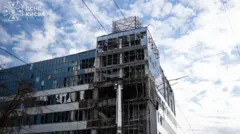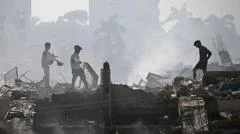
The screams for help from beneath the rubble have not stopped. For a second night, rescue workers in Caracas and the coastal state of La Guaira are digging through concrete and twisted metal, racing against time to find survivors after twin earthquakes of magnitude 7.2 and 7.5 struck Venezuela within seconds of each other on Wednesday. At least 235 people are dead. More than 4,300 are injured. And the number is expected to rise.
What happened during the twin earthquakes in Venezuela
The two shallow earthquakes hit just a minute apart, according to the BBC. The first, a 7.2 magnitude tremor, was followed almost immediately by a 7.5 magnitude quake. The epicenters were near the northern coast, causing severe damage in densely populated areas including the capital Caracas and La Guaira state. The shallow depth of the quakes — less than 10 kilometers — amplified the destruction, toppling buildings and trapping hundreds.
Why this disaster is hitting Venezuela so hard
Venezuela is already in the grip of a severe economic and humanitarian crisis. Many buildings in Caracas and La Guaira are poorly maintained or illegally constructed, making them extremely vulnerable to earthquakes. Hospitals, already struggling with shortages of medicine and equipment, are now overwhelmed with thousands of injured. Power outages and damaged roads are hampering rescue efforts. For a population already enduring hyperinflation, food shortages, and political instability, this earthquake is a devastating blow.
Timeline of the disaster: from the first tremor to the rescue effort
Wednesday afternoon: Two powerful earthquakes hit within a minute. Buildings collapse across Caracas and La Guaira. Panic spreads as people rush into the streets. Wednesday night: Rescue teams begin searching rubble. Survivors are heard calling for help. Thursday morning: Government confirms at least 235 dead and 4,300 injured. Search operations continue through the second night. Thursday night: Rescuers are still working, with many more feared dead. Thousands sleep outdoors, too afraid to return to damaged homes.
Who is affected: the human toll of the Venezuela earthquakes
Families in Caracas and La Guaira are the worst hit. Many have lost loved ones or are waiting for news of missing relatives. Thousands are homeless, their homes reduced to rubble or deemed unsafe. Survivors are sleeping in the streets, parks, and open spaces, fearing aftershocks. The injured are being treated in overcrowded hospitals where supplies are running low. Children, the elderly, and those with pre-existing health conditions are especially vulnerable.
Government and rescue response: what officials are saying
The Venezuelan government has confirmed the death toll of 235 and the injury count of over 4,300, according to the BBC and the New York Times. Rescue teams from the military, civil protection, and volunteer groups are working around the clock. Officials have not yet provided a breakdown of deaths by location or a full list of collapsed buildings. The government has called for international assistance, but details on what aid has been offered or received remain unclear.
Why these earthquakes were so destructive: a deeper look
Two factors made these quakes especially deadly: their magnitude and their shallow depth. A 7.2 and 7.5 magnitude earthquake release immense energy, but when they occur just a few kilometers below the surface, the shaking is far more violent at ground level. The fact that they hit seconds apart meant buildings already weakened by the first tremor were hit again before anyone could react. In a country with weak building codes and crumbling infrastructure, the result was catastrophic.
Confirmed facts vs what remains unclear
Confirmed: At least 235 dead, 4,300 injured. Two earthquakes of magnitude 7.2 and 7.5 hit seconds apart. Rescue operations are ongoing in Caracas and La Guaira. Survivors have been heard under rubble. Unclear: The exact number of people still trapped. The full extent of damage in rural areas. Whether international aid has arrived. The number of missing persons. The government has not released a detailed breakdown, and independent verification is difficult due to limited access.
Risks and challenges facing rescue efforts
Aftershocks remain a serious risk, threatening both survivors and rescuers. Damaged buildings could collapse further. Roads blocked by debris are slowing the movement of heavy equipment and medical supplies. Hospitals are overwhelmed, and fuel shortages are affecting ambulance and generator operations. There are also concerns about looting and security in affected areas. The lack of reliable electricity and communication networks is making coordination difficult.
A wider pattern: earthquakes and vulnerable infrastructure in Latin America
This disaster is not an isolated event. Across Latin America, rapid urbanization, weak building enforcement, and poverty have created a deadly vulnerability to earthquakes. The 2017 earthquake in Mexico, the 2023 quake in Turkey-Syria, and now Venezuela — all show that when nature strikes, it is the poorest and most poorly housed who suffer most. Venezuela's ongoing political and economic crisis has only deepened this vulnerability, leaving millions exposed to natural disasters with little protection.
What affected residents should do now
If you are in an affected area: Stay outdoors if your home is damaged. Do not enter unsafe buildings. Listen to official announcements from civil protection authorities. If you are trapped, try to make noise to alert rescuers. Conserve your phone battery. If you are outside the affected area, consider donating to verified relief organizations. Avoid spreading unverified information on social media. Check on elderly or disabled neighbors who may need help.
What happens next: the outlook for Venezuela
The immediate priority is search and rescue. The next 24 to 48 hours are critical for finding survivors. After that, the focus will shift to providing shelter, food, and medical care for the displaced. The government will need to assess structural damage and begin demolition or repair of unsafe buildings. The long-term recovery will be extremely difficult given Venezuela's economic collapse. International aid will be essential, but political tensions may complicate its delivery.
Our Take
This is a tragedy that was waiting to happen. Venezuela's infrastructure has been crumbling for years, and its people have been abandoned by a government that has prioritized political control over public safety. The twin earthquakes have exposed the deadly consequences of neglect. The world should not look away. The immediate need is for rescue and relief, but the deeper lesson is that disaster preparedness and building safety are not luxuries — they are lifelines. Venezuela's recovery will require not just aid, but accountability.
Frequently Asked Questions
How many people died in the Venezuela earthquakes?
At least 235 people have been confirmed dead, according to the Venezuelan government. More than 4,300 are injured. The death toll is expected to rise as rescue operations continue.
What caused the Venezuela earthquakes?
Two shallow earthquakes of magnitude 7.2 and 7.5 struck within seconds of each other on Wednesday. Their shallow depth — less than 10 kilometers — caused severe ground shaking and widespread destruction in Caracas and La Guaira.
Are rescue operations still ongoing in Venezuela?
Yes. Rescuers are searching rubble for a second night in Caracas and La Guaira. Survivors have been heard calling for help from under collapsed buildings. Aftershocks remain a risk.
How can I help victims of the Venezuela earthquake?
Donate to verified international relief organizations operating in Venezuela. Avoid sharing unverified information on social media. If you are in the affected area, follow official safety instructions from civil protection authorities.