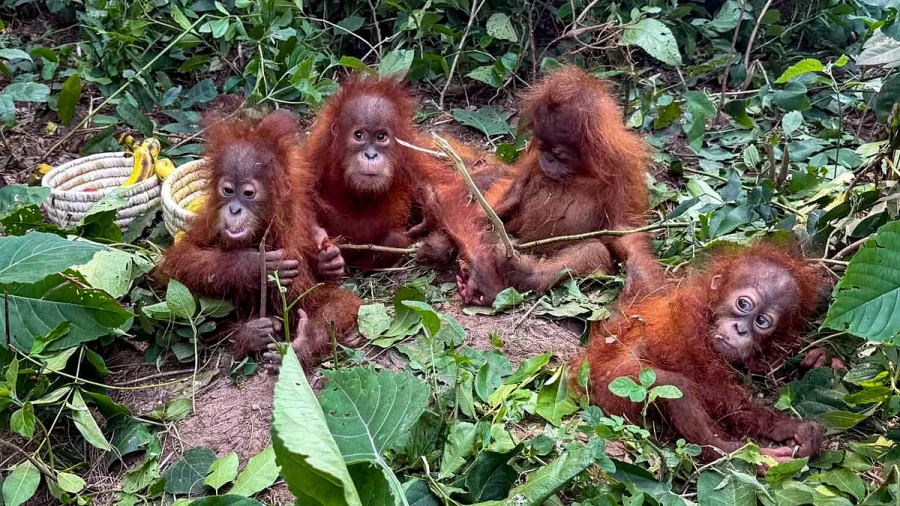
Five infant orangutans, rescued from the wilds of Balasore district, are now learning to live without their mothers — and their behaviour is strikingly human. At Nandankanan Zoological Park in Bhubaneswar, the babies swing between moments of relaxed play and sudden anxiety, often clinging to one another for comfort.
A Rescue That Began in Balasore
Forest department personnel rescued the five orangutans on Tuesday and brought them to the zoo that same night. Aged between six months and one year, the infants were placed in quarantine — a standard practice for newly arrived animals to monitor their health and prevent disease transmission.
Why These Infants Are Clinging to Each Other
According to a senior zoo official, the orangutans have been observed behaving much like human children. "Sometimes they appear to be relaxed, and in the next moment, they cling to each other, likely due to feelings of anxiety for being separated from their mothers," the official said. The emotional range — from playful to withdrawn — is a natural response to trauma and displacement.
Sunbath and Stress Relief: Inside the Quarantine Routine
On Thursday, the infants were taken out of their quarantine enclosure for a morning sunbath. The official said the purpose was to keep them "stress free." Sunlight helps regulate body temperature and supports overall wellbeing, but for these young animals, it also offers a break from the confines of quarantine.
What Happens to Orphaned Orangutans
Orangutans are highly intelligent primates with strong mother-infant bonds. When separated, infants can show signs of distress similar to human grief. Zoos and rescue centres typically provide round-the-clock care, nutritional support, and gradual socialisation to help them recover. The Nandankanan team is following this approach, though full rehabilitation may take months.
Official Response and Ongoing Monitoring
Zoo authorities have not released a detailed long-term plan, but they confirmed the orangutans remain under close observation. The forest department's swift rescue prevented the infants from being left alone in the wild, where survival chances for such young animals are extremely low.
Confirmed Facts vs What Remains Unclear
Confirmed: Five baby orangutans were rescued from Balasore on Tuesday, brought to Nandankanan that night, and are now in quarantine. They are aged six months to one year and have been given a morning sunbath. Unclear: The exact circumstances of their rescue, whether their mothers were found, and the long-term plan for their care have not been officially detailed.
Risks and Balanced View
While the rescue is a positive step, experts often caution that hand-rearing orphaned primates can lead to behavioural challenges later. The infants may become overly dependent on human care or struggle to integrate with other orangutans. The zoo's quarantine protocol is necessary, but it also isolates them from natural social learning. Balancing health safety with emotional development will be key.
A Wider Pattern of Wildlife Rescue in Odisha
Odisha's forest department has handled several high-profile wildlife rescues in recent years, reflecting growing human-wildlife conflict in the region. The arrival of these orangutans — a species not native to India — raises questions about how they ended up in Balasore, though officials have not yet commented on their origin.
What Readers Should Know
For now, the best support is to allow the zoo's team to work without interference. If you encounter orphaned or distressed wildlife, contact local forest officials rather than attempting a rescue yourself. Proper handling is critical for the animal's survival and legal compliance.
Future Outlook
The next few weeks will be crucial. If the orangutans continue to show playful behaviour and gain weight, their prognosis improves. Eventually, they may be moved to a larger enclosure or a specialised rehabilitation facility. For now, each sunbath and each playful moment is a small victory.
Our Take
This story is not just about five animals in quarantine. It is a reminder of the emotional lives of primates and the quiet work of wildlife rescuers. The orangutans' swings between play and anxiety mirror our own — and that is precisely why their recovery matters.
Frequently Asked Questions
Where are the rescued baby orangutans now?
They are in quarantine at Nandankanan Zoological Park in Bhubaneswar, Odisha.
How old are the orangutans?
They are between six months and one year old, according to zoo officials.
Why are they clinging to each other?
Officials believe it is due to anxiety from being separated from their mothers. The behaviour is similar to human children in distress.
What is being done to help them?
They are being given a morning sunbath to reduce stress and are under close observation in quarantine.