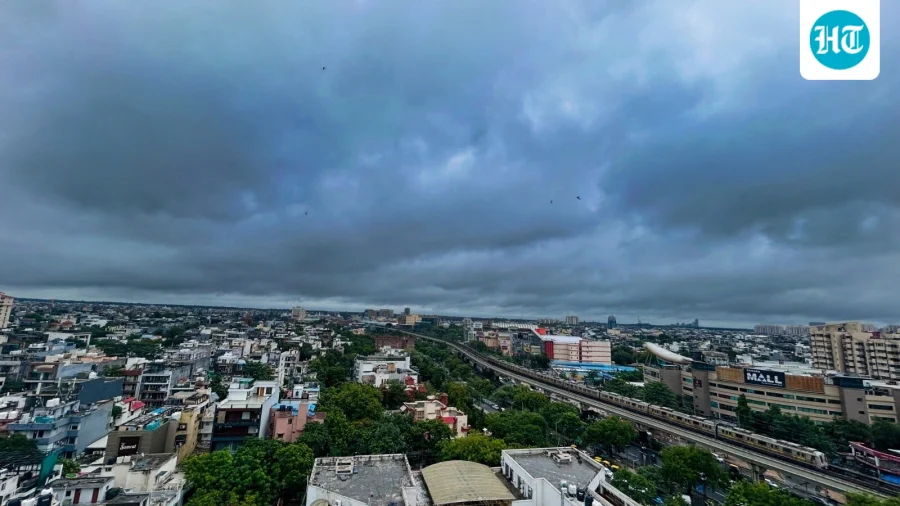
The skies over Delhi-NCR have opened up, bringing a sudden and heavy downpour that has both relieved residents from the oppressive humidity and thrown daily life into chaos. This isn't just a random spell of rain; it's the result of two powerful weather systems working in tandem: a low-pressure area and the monsoon trough. Understanding these terms is key to knowing why the rain is happening and what it means for the days ahead.
What is a Low-Pressure Area and How is it Driving the Rain?
A low-pressure area is essentially a region where the atmospheric pressure is lower than its surroundings. Think of it as a giant vacuum cleaner. Air from surrounding high-pressure areas rushes in to fill this void. As this air rises, it cools, and the moisture it carries condenses to form clouds and, eventually, rain. Currently, a well-marked low-pressure area over Madhya Pradesh is acting as the primary engine, pulling in moist air from the Bay of Bengal and the Arabian Sea towards central and northern India, including Delhi-NCR.
The Monsoon Trough: The Conveyor Belt for the Rain
The monsoon trough is an elongated area of low pressure that stretches across the Indian subcontinent during the monsoon season. It acts like a conveyor belt, guiding the moisture-laden winds from the sea into the heart of the country. Normally, the trough is positioned further north, but it has shifted southwards. This shift has brought it closer to Delhi-NCR, making the region a prime target for the moisture being pumped in by the low-pressure area. The combination of these two systems is creating a perfect setup for sustained and heavy rainfall.
From Convergence to Condensation: The Science Behind the Showers
The process is a chain reaction. The low-pressure area over Madhya Pradesh creates strong convergence, forcing air to rise. This rising air, now laden with moisture from the monsoon trough, cools rapidly. The water vapor condenses into thick clouds, which then release their payload as rain over Delhi-NCR. The intensity of the rain depends on how strong the low-pressure area is and how much moisture the trough is carrying. Currently, both factors are aligned, leading to the heavy downpour.
How This Rain Affects Daily Life in Delhi-NCR
For residents, this means a mixed bag. The immediate effect is a welcome drop in temperature and relief from the sticky humidity that had gripped the city. However, the flip side is severe waterlogging in low-lying areas, traffic snarls on major roads, and delays for commuters. Schools have reported disruptions, and daily wage workers face challenges. The India Meteorological Department (IMD) has advised people to stay indoors unless necessary and to be cautious of waterlogged areas and potential damage to weak structures.
What the India Meteorological Department (IMD) is Saying
The IMD has been tracking this system closely. According to their forecasts, the low-pressure area over Madhya Pradesh is likely to persist, and the monsoon trough will remain active. This means the rain is not a one-off event. The IMD has issued warnings for continued heavy rainfall in Delhi-NCR and parts of northwest India over the next 48 to 72 hours. They are urging local authorities to remain on alert for potential flooding and waterlogging.
Why This Weather Pattern is Unusual for This Time
While the monsoon is active in July, the specific positioning of the trough and the strength of the low-pressure area make this event noteworthy. The southward shift of the monsoon trough is a key factor, as it is bringing the rain directly over the capital region. This pattern is more typical of a vigorous monsoon phase, and its persistence indicates that the monsoon is currently in a very active state over northern India.
Confirmed Facts vs What Remains Unclear
Confirmed: The rainfall in Delhi-NCR is directly linked to a low-pressure area over Madhya Pradesh and the southward shift of the monsoon trough. The IMD has confirmed this as the primary cause. Unclear: The exact duration and intensity of the rainfall beyond the next 72 hours remain uncertain. While models suggest continued activity, the precise track of the low-pressure area will determine how much rain Delhi-NCR receives. This is not speculation but a standard limitation of weather forecasting.
Risks and a Balanced View of the Situation
While the rain is beneficial for agriculture and water reservoirs, the risks are significant. The primary concerns are urban flooding, waterlogging, and the collapse of old or weak structures. There is also a risk of waterborne diseases if drainage systems are overwhelmed. On the positive side, this rain is crucial for replenishing groundwater levels and reducing the demand for irrigation. It is a classic case of a natural phenomenon that brings both relief and risk.
A Wider Pattern: The Active Monsoon Over India
This event is part of a larger pattern of an active monsoon across the country. Several regions, including central and western India, have received above-normal rainfall this season. The low-pressure area over Madhya Pradesh is just one of several systems that have formed this month. This indicates that the monsoon is in a strong phase, which is good news for the overall kharif crop season but also requires heightened preparedness for flood-prone areas.
Practical Guidance for Delhi-NCR Residents
If you are in Delhi-NCR, here is what you should do: Stay updated with IMD forecasts and local news. Avoid driving or walking through waterlogged areas, as the depth can be deceptive. Keep emergency numbers handy. If you live in a low-lying area, move valuables to higher ground. For commuters, allow extra travel time and consider working from home if possible. The rain is expected to continue, so plan your day accordingly.
What the Forecast Holds for the Coming Days
The IMD predicts that the low-pressure area will remain active, and the monsoon trough will stay in its current position for at least the next two to three days. This means Delhi-NCR can expect more rain, with the possibility of heavy spells at times. A gradual reduction in intensity is expected by the weekend, but the region will remain under the influence of the monsoon. The situation is dynamic, and updates from the IMD will be crucial.
Our Take
This rain event is a textbook example of how large-scale weather systems impact our daily lives. The terms "low-pressure area" and "monsoon trough" are not just jargon for meteorologists; they are the drivers of the weather we experience. For Delhi-NCR, this is a reminder of the city's vulnerability to urban flooding and the need for better drainage infrastructure. While the rain is a lifeline for the region's water supply, it also tests the city's resilience. The key takeaway is that this is a natural, predictable, and necessary part of the monsoon cycle, but one that requires caution and preparedness.
Frequently Asked Questions
What is a low-pressure area in simple terms?
A low-pressure area is a region where the air pressure is lower than the surrounding areas. This causes air from outside to rush in, rise, and cool, forming clouds and rain. It is the basic engine for most monsoon rainfall.
How does the monsoon trough cause rain in Delhi?
The monsoon trough is a long, narrow zone of low pressure that stretches across India. When it shifts southwards, it acts like a channel, directing moisture-laden winds from the sea towards Delhi-NCR, leading to widespread rain.
Is this rain in Delhi-NCR unusual?
While rain is common during the monsoon, the combination of a strong low-pressure area and a southward-shifted trough is making this spell particularly intense and prolonged. It is a sign of an active monsoon phase.
How long will the rain continue in Delhi-NCR?
According to the IMD, the rain is expected to continue for at least the next 48 to 72 hours. The intensity may vary, but the region will remain under the influence of the active weather system.