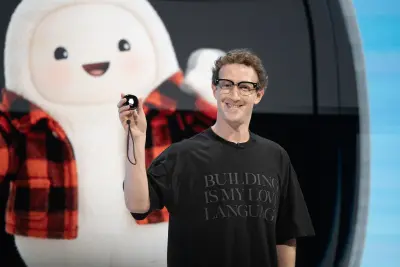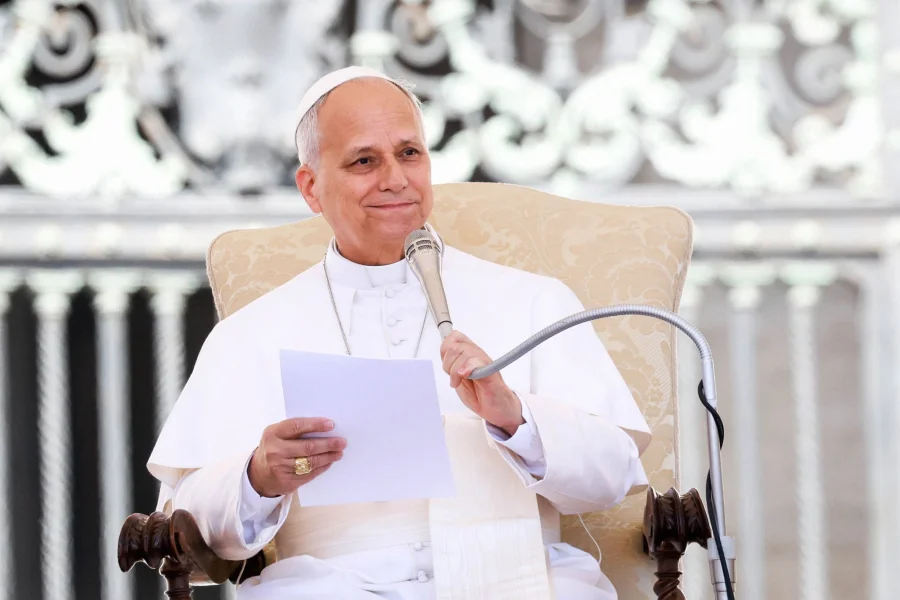
For years, tech billionaires have loved quoting J.R.R. Tolkien. They’ve called themselves “wizards,” described their companies as “fellowships,” and framed their quests for AI dominance as noble battles against ignorance. But this week, Pope Leo XVI did something unexpected: he used the same book to quietly, expertly, and brilliantly call them out.
In his latest encyclical on artificial intelligence, the Holy Father didn’t just mention The Lord of the Rings. He wielded it like a mirror—reflecting back the very ambitions that Silicon Valley’s elite have long dressed in Tolkien’s imagery. And the message was unmistakable: you’ve been reading the story wrong.
What the Pope Actually Said About Tolkien and AI
The encyclical, titled “Lumen Intelligentiae” (The Light of Intelligence), warns that unchecked technological power risks becoming a “new Ring of Power”—an object of obsession that corrupts its creators and users alike. Pope Leo directly references the One Ring’s ability to “twist the heart of the wielder,” drawing a parallel to how AI, if pursued without ethical boundaries, could lead humanity toward control rather than liberation.
“The desire to possess the Ring—to command, to dominate, to shape the world according to one’s own will—is not unlike the temptation that now faces our age,” the encyclical states. “Technology, like the Ring, promises power. But it also promises a slow, quiet corruption of the soul.”
It’s a subtle but sharp rebuke aimed squarely at the tech bros who have long romanticized Tolkien’s work while ignoring its central warning: that power, no matter how noble its intent, can destroy the one who wields it.
Why This Matters Right Now
This isn’t just a literary reference. It’s a cultural intervention. For over a decade, figures like Peter Thiel, Elon Musk, and various AI founders have invoked Tolkien to frame their work as epic, heroic quests. Thiel has called Tolkien’s world “the most important story of our time.” Musk has named his AI projects after characters from the series. The narrative has been carefully crafted: they are the wizards, the rangers, the defenders of light against the darkness of ignorance.
But Pope Leo’s encyclical flips that script. It reminds the world that the true heroes of Tolkien’s story—Frodo, Sam, Aragorn—were not driven by a lust for power. They were humble, self-sacrificing, and deeply aware of their own limitations. The villains, meanwhile, were those who sought to control, to dominate, to reshape the world in their own image.
For millions of Catholics and Tolkien fans worldwide, this reframing is powerful. It challenges the tech elite’s self-mythology at a moment when AI regulation, ethics, and public trust are more urgent than ever.
How the Tech Bros Misinterpreted Tolkien
The irony is rich. Tolkien himself was deeply skeptical of industrialization, mechanization, and the worship of progress. His work is a lament for a simpler world, not a celebration of technological conquest. Yet Silicon Valley has consistently cherry-picked his imagery to justify everything from surveillance capitalism to AI arms races.
“They see themselves as Gandalf, but they’re acting more like Saruman,” one Vatican theologian noted in a briefing accompanying the encyclical. “They believe they’re building a better world, but they’re actually forging a new Ring.”
The encyclical doesn’t name names. It doesn’t have to. The cultural reference is enough. For anyone familiar with the tech world’s long love affair with Tolkien, the message is clear: you’ve been telling the wrong story.
What We Know So Far — and What Remains Unclear
The encyclical was released earlier this week and has already sparked widespread discussion in both religious and tech circles. The Vatican has confirmed that the Tolkien reference was intentional, though officials declined to say whether it was aimed at any specific individual or company.
What remains unclear is how the tech world will respond. Some may dismiss it as a harmless literary flourish. Others may feel genuinely called out. But one thing is certain: the Pope has successfully reframed the conversation around AI ethics using one of the most beloved stories of the 20th century.
Risks, Concerns, and the Balanced View
Of course, not everyone agrees with the Pope’s framing. Some critics argue that comparing AI to a magical ring of power is overly simplistic. They point out that technology is a tool, not a sentient force of evil. Others worry that the encyclical could be used to justify excessive regulation or fear-mongering.
But the Vatican’s position is nuanced. The encyclical does not condemn AI outright. Instead, it calls for a “moral framework” that prioritizes human dignity over efficiency, and community over control. It’s a warning, not a ban.
“The Ring is not evil in itself,” the encyclical notes. “It is the desire to possess it that corrupts. The same is true of technology.”
Why Similar Trends Are Growing
This isn’t the first time a religious leader has used popular culture to critique the tech industry. But it is one of the most high-profile. The move reflects a growing frustration among ethicists, theologians, and even some tech insiders with the industry’s tendency to borrow heroic narratives while ignoring their moral lessons.
From the “move fast and break things” ethos to the “effective altruism” movement, Silicon Valley has long wrapped itself in stories of heroism and progress. Pope Leo’s encyclical is a reminder that those stories come with responsibilities—and that the most powerful ones often end in tragedy.
What Readers, Users, or Investors Should Know Now
For readers, this encyclical is a chance to rethink how we talk about technology. It’s not just about algorithms and data. It’s about power, temptation, and the kind of world we want to build.
For investors and tech leaders, the message is more direct: the stories you tell matter. If you invoke Tolkien, you must live by his moral code. If you claim to be building a better world, you must be willing to question your own motives.
What Could Happen Next
The encyclical is likely to fuel further debate in both religious and secular circles. Some expect tech leaders to issue responses, either embracing or rejecting the Pope’s critique. Others predict that the Tolkien reference will become a lasting symbol in the AI ethics debate—a shorthand for the dangers of unchecked ambition.
One thing is clear: Pope Leo has done what few have managed. He has taken a story beloved by the very people he’s critiquing and turned it into a mirror. Whether the tech bros will look into it—and what they’ll see—remains to be seen.
Our Take: Why This Story Matters Beyond One Incident
This isn’t just about Tolkien. It’s about who gets to define the stories we live by. For too long, tech billionaires have monopolized the narrative of progress, casting themselves as heroes in a story they wrote themselves. Pope Leo’s encyclical is a quiet but powerful act of narrative reclamation. It reminds us that the best stories—the ones that endure—are not about power. They are about humility, sacrifice, and the courage to say no to the Ring.
And that, perhaps, is the most important lesson of all.
FAQs
What did Pope Leo say about Tolkien in his AI encyclical?
Pope Leo XVI referenced The Lord of the Rings to warn that unchecked AI development could become a “new Ring of Power,” corrupting its creators and users through the lust for control.
Why are tech billionaires criticized for misinterpreting Tolkien?
Tech leaders often use Tolkien’s imagery to frame their work as heroic, but they ignore the story’s central warning: that power, even with noble intent, can corrupt. The Pope’s encyclical highlights this contradiction.
Is the Pope against AI technology?
No. The encyclical does not condemn AI but calls for a moral framework that prioritizes human dignity, community, and ethical boundaries over unchecked ambition and control.
How has Silicon Valley responded to the Pope’s Tolkien reference?
As of now, there has been no official response from major tech figures. However, the reference has sparked widespread discussion in both religious and tech circles, with many debating its implications.