Eleven children, one woman, and an elderly man — these were the victims of Pakistani airstrikes that hit three provinces in eastern Afghanistan on Wednesday, according to the Taliban government. The strikes, which targeted Khost, Kunar, and Paktika, have killed at least 13 people and wounded 14 others, reigniting a bitter conflict between the two neighbours.
What happened in the Pakistani airstrikes on Afghanistan
Afghanistan's Taliban government said Pakistani warplanes carried out the strikes on Wednesday, June 10, 2026. Government spokesperson Zabihullah Mujahid confirmed the death toll: 13 civilians, including 11 children. The strikes hit residential areas, not military targets, according to Afghan officials.
Pakistan, however, has a different account. It claims the airstrikes killed 80 terrorists and targeted militant hideouts used by groups operating along the border. The Pakistani military has not released details of the specific targets or locations.
Why the civilian death toll matters for Afghanistan-Pakistan relations
The high number of child casualties has drawn sharp condemnation from the Taliban government. For ordinary Afghans, the strikes are a brutal reminder of the vulnerability of border communities, who often bear the brunt of cross-border operations. The incident threatens to undo any progress made in recent diplomatic talks between the two countries.
For Pakistan, the strikes reflect its frustration with militant groups it says operate from Afghan soil. Islamabad has long accused the Taliban government of harbouring the Tehreek-e-Taliban Pakistan (TTP) and other factions that launch attacks inside Pakistan.
Timeline of escalating tensions between Afghanistan and Pakistan
Relations between the two countries have been strained since the Taliban returned to power in 2021. Pakistan initially supported the Taliban's takeover but later grew frustrated as cross-border attacks by the TTP increased. In 2022, Pakistan carried out airstrikes in Afghanistan's Khost and Kunar provinces, killing dozens. Since then, border skirmishes and diplomatic spats have been frequent.
Wednesday's strikes are the deadliest since 2022 and come amid a surge in TTP attacks inside Pakistan. Islamabad has repeatedly demanded that the Taliban government take action against the group, but Kabul denies harbouring them.
Who is affected by the airstrikes in Khost, Kunar, and Paktika
The victims are mostly families living in remote villages near the border. These communities have little protection from either government. Children playing outside, women collecting water, and elderly men resting at home — these are the faces of the dead. The wounded, including several children, have been taken to local hospitals, where medical supplies are scarce.
For the families, the loss is compounded by the lack of accountability. No independent investigation has been allowed, and both sides blame each other.
Taliban government response to Pakistani strikes
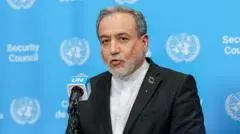
Taliban spokesperson Zabihullah Mujahid condemned the strikes as a "violation of Afghanistan's sovereignty" and warned of consequences. "The Islamic Emirate will not remain silent," he said in a statement. The Taliban has summoned Pakistan's ambassador in Kabul to protest the attack.
Pakistan's foreign office has not issued a detailed statement but reiterated its right to self-defence. "Pakistan reserves the right to take action against terrorists operating from Afghan soil," a spokesperson said.
What is behind the Pakistan-Afghanistan border conflict
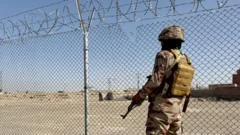
The strikes are part of a broader pattern of cross-border violence. Pakistan says the TTP, which shares ideology with the Afghan Taliban, uses Afghan territory to plan and launch attacks. The Taliban government denies this, saying it does not allow any group to use Afghan soil against Pakistan.
Analysts say the real issue is the lack of a formal border agreement and the porous nature of the Durand Line, which divides Pashtun communities on both sides. This has created a zone of impunity where militant groups operate freely.
Confirmed facts vs what remains unclear about the airstrikes
Confirmed: Pakistani airstrikes hit three Afghan provinces on June 10, 2026. The Taliban government reports 13 civilians killed, including 11 children. Pakistan claims 80 militants killed.
Unclear: The exact locations of the strikes, whether any militants were actually killed, and whether civilian homes were deliberately targeted. No independent verification is possible as both sides restrict access to the affected areas.
Risks and balanced view of the cross-border strikes
Pakistan's supporters argue that it has the right to defend itself against cross-border attacks. Critics say the strikes are counterproductive, killing civilians and fuelling anti-Pakistan sentiment in Afghanistan. The Taliban government, meanwhile, faces pressure to respond but risks a wider conflict it cannot afford.
Human rights groups have condemned the strikes, calling for an independent investigation. The United Nations has not yet commented.
Wider pattern of cross-border violence in the region
The strikes are part of a growing trend of cross-border military operations in South Asia. Pakistan has also carried out strikes inside Iran in the past, while Iran has targeted Pakistani territory. The lack of a coordinated regional approach to counterterrorism has allowed militant groups to exploit border vulnerabilities.
What should civilians in border areas do now
For families living near the Afghanistan-Pakistan border, the immediate risk of further strikes remains high. Local authorities in Khost, Kunar, and Paktika have advised residents to avoid open areas and stay indoors. Humanitarian organisations are urging both governments to allow safe passage for medical aid and evacuation of the wounded.
Future outlook for Afghanistan-Pakistan relations
Diplomatic channels remain open, but trust is at an all-time low. Analysts expect further tit-for-tat violence unless a third party — possibly China or the United Nations — mediates. The Taliban government may retaliate with cross-border shelling or by allowing TTP attacks to intensify. A full-scale war is unlikely, but the risk of escalation is real.
Our Take
This is not just another border skirmish. The killing of 11 children in a single day should shock the conscience of both governments. Pakistan's frustration with the TTP is understandable, but airstrikes that kill civilians are not a solution — they are a recruitment tool for militants. The Taliban government, for its part, must stop denying the presence of TTP on its soil and take concrete action. Without accountability, the cycle of violence will only deepen.
Frequently Asked Questions
How many people were killed in the Pakistani airstrikes in Afghanistan?
According to the Taliban government, 13 people were killed — 11 children, one woman, and one older man. Pakistan claims 80 militants were killed.
Why did Pakistan carry out airstrikes in Afghanistan?
Pakistan says it targeted militant hideouts used by the Tehreek-e-Taliban Pakistan (TTP), which it accuses of launching cross-border attacks from Afghan soil.
What is the Taliban government's response to the strikes?
The Taliban condemned the strikes as a violation of Afghan sovereignty and warned of consequences. It has summoned Pakistan's ambassador to protest.
Could this lead to a war between Afghanistan and Pakistan?
Analysts say a full-scale war is unlikely, but the risk of further cross-border violence and diplomatic breakdown is high. Mediation by a third party may be needed.