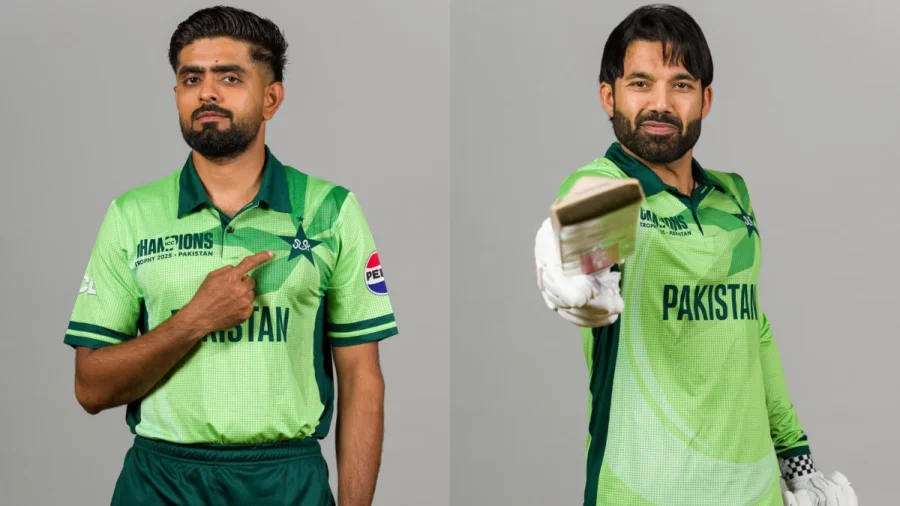
Pakistan cricketers now have a new mandatory addition to their training routine — and it involves a racket, not a bat. The Pakistan Cricket Board has officially introduced padel sports training at the National Cricket Academy in Lahore, requiring centrally contracted players to complete 40-minute sessions on alternate days. The move is aimed squarely at fixing persistent fitness and fielding concerns that have plagued the team in recent years.
Why Padel? The Fitness Logic Behind PCB’s Decision
Padel, a fast-growing racket sport combining elements of tennis and squash, has been chosen specifically for its ability to sharpen core athletic attributes. The sport demands rapid lateral movement, quick reaction times, precise hand-eye coordination, and sustained aerobic endurance — all areas where Pakistan’s fielding has been criticized internationally. The PCB believes these skills translate directly to cricket performance, especially in the field and between wickets.
How The Mandatory Training Will Work
According to PCB officials, the padel sessions are mandatory for central national pool cricketers attending long-duration camps at the NCA. Players will complete 40-minute sessions on alternate days, integrated into their existing fitness schedules. The initiative is being led by senior selector and Director of High Performance Aqib Javed, who has been tasked with overhauling the team’s physical conditioning ahead of upcoming international series.
The Fielding Problem That Sparked This Change
Pakistan’s fielding standards have been a recurring concern in international cricket. Dropped catches, slow ground fielding, and misfields have cost the team crucial matches in recent years. The PCB’s decision to introduce padel training reflects a broader push to address these weaknesses through unconventional but targeted methods. The sport’s emphasis on agility and coordination is seen as a direct remedy for the gaps in Pakistan’s outfield performance.
Aqib Javed’s Role In The Fitness Overhaul
Aqib Javed, the former Pakistan fast bowler now serving as senior selector and Director of High Performance, is the driving force behind the initiative. His mandate includes modernizing the NCA’s training methods and ensuring players meet international fitness benchmarks. The padel program is part of a larger strategy to bring Pakistan cricket’s conditioning standards in line with top-tier teams like Australia and England.
How Padel Compares To Traditional Cricket Fitness Drills
Traditional cricket fitness drills often focus on running, gym work, and net sessions. Padel adds a dynamic, game-like element that mimics the split-second decision-making and explosive movement required in the field. Unlike standard cardio or strength training, padel forces players to react to unpredictable ball trajectories, improving reflexes in a way that stationary drills cannot replicate. The sport also builds cardiovascular endurance through continuous rallying.
Confirmed Facts vs What Remains Unclear
What is confirmed: PCB has made padel training mandatory for central pool cricketers at NCA Lahore. Sessions are 40 minutes on alternate days. Aqib Javed is leading the initiative. What remains unclear: whether the program applies to all centrally contracted players or only those in specific camps, how compliance will be monitored, and whether the training will extend to domestic or junior cricketers. The PCB has not disclosed any specific fitness benchmarks or performance targets linked to the program.
Risks and Potential Concerns
While the initiative has been welcomed as innovative, some concerns remain. Padel is a different sport with its own injury risks, including ankle sprains and shoulder strain from repetitive racket movements. Critics question whether mandatory cross-training in an unrelated sport is the most efficient use of limited training time. There is also the question of player buy-in — whether senior players accustomed to traditional methods will fully embrace the change. The PCB has not addressed these concerns publicly.
Wider Trend: Cricket Boards Embracing Cross-Training
Pakistan is not alone in exploring unconventional fitness methods. Cricket boards worldwide have increasingly adopted cross-training techniques — from yoga and pilates to swimming and boxing — to improve player conditioning. The England and Wales Cricket Board has used dance-based agility drills, while Australian cricketers have incorporated surfing and martial arts into their routines. Pakistan’s padel move fits this broader trend of sport-specific cross-training gaining traction in professional cricket.
What This Means For Pakistan’s Upcoming Series
The timing of the padel training initiative suggests the PCB is prioritizing fitness ahead of a packed international schedule. With series against top teams on the horizon, improved fielding standards could be a decisive factor in close matches. If the program shows measurable results in reaction time and agility, it may become a permanent fixture at the NCA. Early feedback from players and coaches will determine whether the experiment expands or remains a niche addition.
Our Take
The PCB’s decision to mandate padel training is a bold and creative response to a long-standing weakness. While unconventional, the logic is sound: padel directly targets the athletic deficiencies that have hurt Pakistan in the field. The success of the initiative will depend on execution — proper coaching, injury prevention, and player acceptance. If it works, it could set a precedent for how cricket boards approach fitness innovation. If it fails, it will be remembered as a quirky experiment. Either way, the PCB deserves credit for thinking beyond traditional methods.
Frequently Asked Questions
Is padel training mandatory for all Pakistan cricketers?
Yes, for centrally contracted players attending long-duration camps at the National Cricket Academy in Lahore. The sessions are 40 minutes on alternate days.
Why did PCB choose padel over other sports?
Padel combines rapid lateral movement, reaction speed, hand-eye coordination, and aerobic endurance — all key areas where Pakistan’s fielding has been criticized.
Who is leading the padel training initiative?
Senior selector and Director of High Performance Aqib Javed is spearheading the program at the NCA.
Will padel training replace traditional cricket fitness drills?
No, it is an additional cross-training component integrated into existing fitness schedules, not a replacement for standard drills.