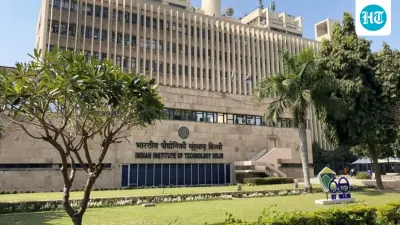
Over 150 people were briefly detained from south and southeast Delhi on Thursday in what Delhi Police officials described as a preventive action linked to the ongoing students’ protest at Jantar Mantar. The detentions, which occurred across multiple locations, have drawn attention to the scale of police response during a period of heightened student activism in the capital.
Why the detentions happened: Police cite preventive action
Delhi Police officials confirmed that the detentions were carried out as a preventive measure to maintain public order. "We detained individuals who were suspected of potentially disrupting peace or engaging in unlawful activities during the protest," a senior officer said, speaking on condition of anonymity. The action was taken under relevant legal provisions that allow for temporary detention to prevent potential breaches of peace.
The Jantar Mantar protest: A flashpoint for student demands
The detentions are directly tied to the students’ protest at Jantar Mantar, a historic site in central Delhi that has long been a venue for demonstrations. The protest, which began earlier this week, involves students from various universities demanding action on issues ranging from fee hikes to campus safety. Jantar Mantar has become a symbol of student activism in India, often drawing large crowds and police attention.
Who was detained and what happened next
According to police sources, the detainees included students, activists, and some local residents from south and southeast Delhi neighborhoods. They were taken to nearby police stations for questioning and released after a few hours. "No formal charges were filed, and all individuals were let go once the situation was assessed," an officer clarified. The brief nature of the detentions suggests a tactical move to disperse potential gatherings rather than a long-term crackdown.
Human impact: Fear and confusion among detainees
For those detained, the experience was unsettling. "I was just walking near my home when police stopped me and took me to a station. They didn’t explain why," said a student who was released later in the day. The detentions have sparked concern among civil liberties groups, who argue that preventive action can be misused to stifle dissent. "While maintaining order is important, blanket detentions risk targeting innocent people," said a legal expert familiar with protest laws.
Official response: Police defend their actions
Delhi Police have defended the detentions as necessary for public safety. "Our priority is to ensure that the protest remains peaceful and does not escalate into violence or disruption," a police spokesperson said. The force has deployed additional personnel around Jantar Mantar and key areas in south and southeast Delhi to monitor the situation. Officials emphasized that the action was not aimed at suppressing the protest but at preventing any untoward incidents.
Context: A history of police action at protests
This is not the first time Delhi Police have used preventive detentions during protests. Similar actions were reported during farmers’ protests and anti-CAA demonstrations in recent years. The practice, while legally permissible, often draws criticism for its broad application. Legal experts note that preventive detention under the Code of Criminal Procedure (CrPC) requires reasonable suspicion, but the threshold can be subjective.
Confirmed facts vs what remains unclear
What is confirmed: Over 150 people were detained briefly in south and southeast Delhi on Thursday, linked to the Jantar Mantar protest. Police cited preventive action. All detainees were released without charges. What remains unclear: The exact criteria used to select detainees, whether any specific individuals were targeted, and the full list of locations where detentions occurred. Police have not disclosed detailed records of the operation.
Risks and balanced view: Concerns over civil liberties
While police argue that preventive action is necessary, critics warn of potential overreach. "Preventive detentions can create a chilling effect on the right to protest," said a human rights activist. Supporters of the police action counter that it is a standard tool to manage large gatherings. The balance between security and freedom of expression remains a contentious issue in India’s democratic framework.
Wider trend: Student activism and state response
The detentions reflect a broader pattern of state response to student activism in India. From JNU to Jamia Millia Islamia, student protests have often been met with police action, including detentions and lathi charges. This has fueled debates about the space for dissent in the country. The current protest at Jantar Mantar is part of a renewed wave of student mobilization on issues like education policy and campus governance.
Practical guidance: What protesters and citizens should know
For those planning to join or observe the protest, legal experts advise carrying identification and knowing your rights. "If detained, you have the right to know the reason and to contact a lawyer," said a legal aid group. Citizens in south and southeast Delhi should be aware of potential police checks and avoid areas with heavy police presence if they wish to steer clear of the action. Staying informed through verified news sources is recommended.
Future outlook: What could happen next
The protest at Jantar Mantar is expected to continue in the coming days, with students vowing to press their demands. Delhi Police are likely to maintain a visible presence and may resort to further preventive detentions if the situation escalates. The government has not issued a formal statement, but the Home Ministry is monitoring the developments. A resolution may depend on dialogue between student leaders and authorities.
Our Take
The detention of over 150 people in south and southeast Delhi is a significant escalation in the state’s response to the Jantar Mantar protest. While police cite preventive action, the scale of the operation raises legitimate questions about proportionality and the targeting of peaceful demonstrators. This story matters because it tests the boundaries of democratic dissent in India. The brief release of detainees without charges suggests a tactical move rather than a legal crackdown, but it also underscores the precarious nature of protest rights. As the situation unfolds, the focus should remain on ensuring that the right to peaceful assembly is protected without compromising public safety.
Frequently Asked Questions
Why were over 150 people detained in south and southeast Delhi?
Delhi Police detained them as a preventive action linked to the students’ protest at Jantar Mantar, aiming to prevent potential law and order issues.
Were the detainees charged with any crime?
No, all detainees were released after a brief period without any formal charges being filed.
Is preventive detention legal in India?
Yes, preventive detention is permitted under certain legal provisions, such as the Code of Criminal Procedure, but it requires reasonable suspicion of potential disruption.
What should I do if I am detained during a protest?
You have the right to know the reason for detention and to contact a lawyer. Carry identification and remain calm. Seek legal aid if needed.