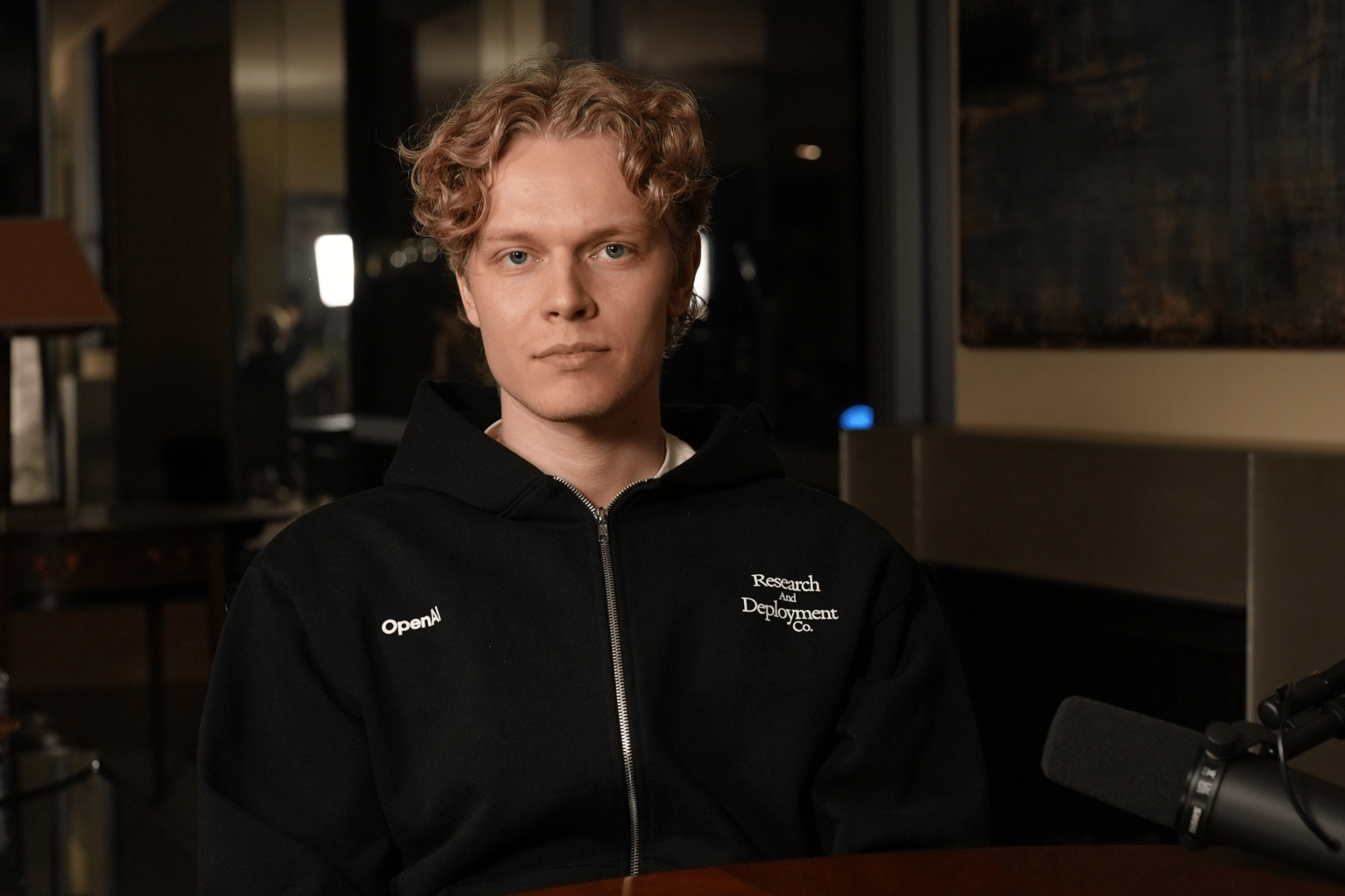
SELECTED_HEADLINE: OpenAI Researcher Gabriel Petersson Shares Strategy for Gen Z to Bypass Degree Requirements
Gabriel Petersson, a 22-year-old high school dropout, secured a six-figure research role at OpenAI by replacing traditional resumes with custom-built software demos, proving that specific technical proof can outweigh elite university credentials in the competitive Silicon Valley hiring market.
How Gabriel Petersson Navigated the Path from Sweden to OpenAI
Petersson’s career trajectory began in a small Swedish town where he opted to drop out of high school at age 17. Instead of pursuing a computer science degree, he co-founded the e-commerce data startup Depict.ai. This early immersion in the startup ecosystem provided a foundation in software and artificial intelligence that traditional schooling could not match.
After a stint at the Y Combinator-backed startup Dataland in New York, Petersson targeted Silicon Valley’s most prominent AI labs. Despite an initial rejection from OpenAI, he secured a software engineering position at Midjourney in 2023 by dedicating a week to building a custom website and video demo for the company. This "proof of work" eventually led to a successful recruitment by OpenAI’s research team in December 2024.
The hiring process was confirmed through Petersson’s personal account of his transition from the Sora team to his current research capacity at the ChatGPT parent company.
The Shift Away from Traditional Academic Proxies in Tech
For decades, Silicon Valley hiring has relied on "proxies" for talent, such as degrees from Ivy League institutions or top-tier engineering programs. These credentials served as a filter for recruiters managing thousands of applications for entry-level roles.
Petersson entered the workforce as these traditional barriers began to fluctuate due to the rapid evolution of AI. His success highlights a growing trend where the ability to build and ship functional products is becoming a more valuable currency than academic certification, particularly in fast-moving research environments where practical application outpaces curriculum updates.
Gen Z Job Seekers and Non-Traditional Candidates Feel the Impact
This development primarily affects Gen Z professionals and self-taught developers who may feel sidelined by the increasing cost and time commitment of formal higher education. It suggests that the "credential gap" is no longer an insurmountable barrier for those capable of demonstrating immediate technical value.
Recruiters at high-growth tech firms are also affected, as they must now look beyond standard PDF resumes to evaluate GitHub repositories, live demos, and project portfolios. For young workers in geographically isolated areas, Petersson’s move from a town of 5,000 people to San Francisco serves as a template for using digital proof to bridge the gap to global tech hubs.
What Changes for Applicants in the AI Hiring Market
The standard application process is evolving from a passive submission of history to an active demonstration of future value.
- Demonstration over Documentation: Candidates are increasingly expected to show functional code rather than listing courses completed.
- Direct Outreach: Bypassing HR portals in favour of sending specific, value-add projects directly to research teams.
- Learning Velocity: A shift in focus toward how quickly a candidate can master new tools rather than how long they have held a specific title.
These changes mean that the most successful applicants will be those who solve a company's problems before they are officially on the payroll.
The Mechanism of the Direct Outreach Playbook
The strategy Petersson utilised involves a high-intensity "sprint" where an applicant builds a tool specifically for a target company. By sending a video demo that walks through the code, the applicant demonstrates technical proficiency, communication skills, and cultural fit simultaneously. This removes the "guesswork" for hiring managers who otherwise have to infer capability from a degree.
Petersson argues that this method allows a candidate to "tick more boxes" than any proxy could. It forces the employer to engage with the candidate's actual output rather than their pedigree. This approach is particularly effective in the AI sector, where the pace of change often renders six-month-old academic theories obsolete.
No independent expert commentary was available in the source material for this article.
Confirmed Next Steps for Petersson and OpenAI
Petersson remains a researcher at OpenAI, having transitioned from the Sora team as that project’s structure evolved. He continues to advocate for a "learning velocity" approach to early careers, encouraging young professionals to change roles frequently if it accelerates their technical growth.
Gabriel Petersson’s Career Milestones: Confirmed Figures at a Glance
The following table outlines the key stages of Petersson's non-traditional path to a six-figure role in Silicon Valley.
Key Fact Detail Main person Gabriel Petersson Main action Secured OpenAI research role without a degree Date of OpenAI hire December 2024 Location San Francisco, California Salary level Six figures (USD) Previous status High school dropout / Software Engineer at Midjourney Current status Researcher at OpenAI Primary strategy "Proof of work" via custom video demos Next confirmed step Continuing research at OpenAI
The Rise of Portfolio-First Hiring in Artificial Intelligence
As AI tools lower the barrier to entry for complex coding, the value of a formal degree may continue to decouple from high-earning potential. Readers should watch for the emergence of "portfolio-first" hiring platforms that prioritise verified project contributions over educational history. For those entering the market, the most practical move is to maintain a public, functional record of work that addresses the specific technical challenges of their desired employers.
Your Questions About Non-Traditional Tech Careers Answered
Can you get a job at OpenAI without a college degree?
Yes, as demonstrated by Gabriel Petersson, OpenAI hires researchers and engineers based on their technical contributions and "proof of work" rather than formal academic credentials alone.
What is the "proof of work" strategy for Silicon Valley jobs?
This strategy involves building a specific project, website, or tool for a company before applying, then sending a video demo of the code to show immediate value and technical understanding.
Why does Gabriel Petersson recommend "learning velocity" for Gen Z?
Petersson suggests that early careers should be optimised for how fast a person can learn new skills rather than job stability, often requiring frequent moves to more challenging environments.