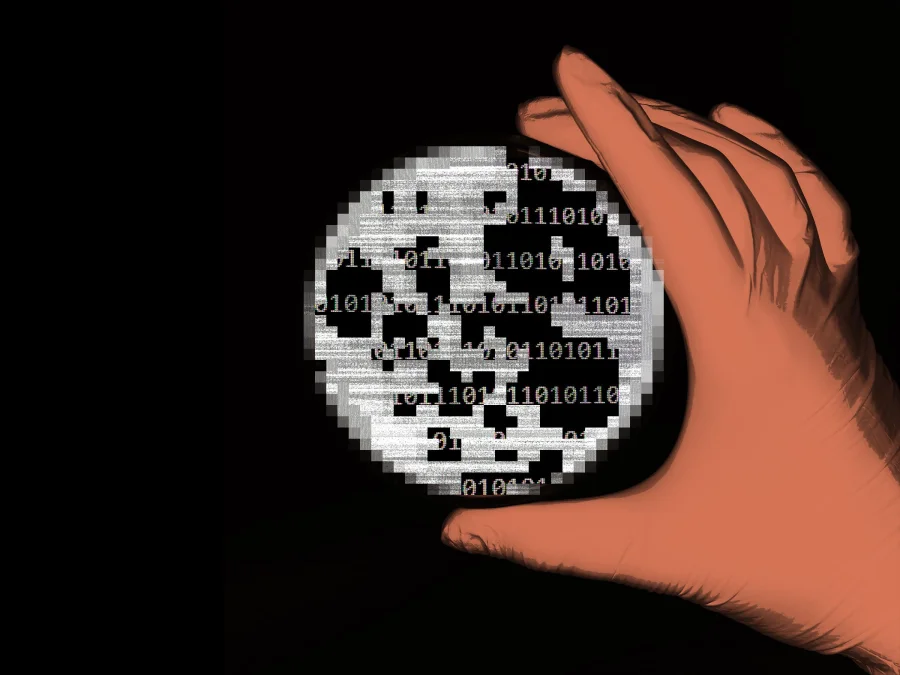
In a move that underscores the growing anxiety around artificial intelligence, the world's leading AI labs—including OpenAI and Anthropic—have signed a joint letter to lawmakers. Their urgent demand: implement stricter tracking of synthetic DNA sequences to prevent AI from being weaponized to create biological threats. This isn't a hypothetical future scenario; it's a present-day risk that the very architects of AI are now publicly trying to contain.
Why AI Labs Are Pushing for Synthetic DNA Tracking Now
The core of the letter is a call for a more robust system to monitor and control the ordering of synthetic DNA. As AI models become more powerful, the fear is that they could be used to design novel pathogens or guide malicious actors through the process of creating biological weapons. The labs argue that without better oversight, the very technology designed to advance science could be turned into a tool for mass harm.
Why This Matters Right Now
This isn't just a technical debate. The letter signals a critical moment where the creators of the most advanced AI systems are acknowledging a fundamental vulnerability. For the public, it raises a chilling question: if the people building these tools are worried, how close are we to a real threat? The letter is a preemptive strike, an attempt to build a safety net before a catastrophe occurs. It affects everyone, from national security agencies to the average citizen who could be impacted by a future bioweapon.
How the Letter Came Together and What It Demands
The coalition, which includes top scientists and executives, is not asking for a ban on AI research. Instead, they are pushing for practical, immediate measures. The primary demand is for a mandatory screening system for all DNA synthesis orders. This would mean that any company selling synthetic DNA would have to check orders against a database of known dangerous sequences, flagging any suspicious requests before they are fulfilled. The letter argues that this is a low-cost, high-impact step that can be implemented quickly.
Who Is Affected and What Officials Are Saying
The letter is directed at lawmakers, but its implications ripple outward. DNA synthesis companies would face new compliance requirements. Research institutions might see new layers of bureaucracy. But the most significant impact is on the AI industry itself, which is trying to demonstrate responsibility and avoid a future where its creations are blamed for a disaster. While official responses are still emerging, the letter represents a powerful industry consensus that self-regulation is not enough.
What We Know So Far — and What Remains Unclear
What is clear is that the letter has been signed by major players like OpenAI and Anthropic, signaling a unified front. What remains unclear is how quickly lawmakers will act, and whether the proposed tracking system can keep pace with the rapid evolution of AI. There are also questions about enforcement: who will oversee the database, and what happens if a company refuses to comply? The letter opens the door, but the path forward is still being defined.
Risks, Concerns, and the Balanced View
While the letter is a positive step, it is not without its critics. Some argue that focusing on DNA tracking is a narrow solution that doesn't address the broader risks of AI misuse, such as disinformation or cyberattacks. Others worry that increased regulation could stifle legitimate scientific research, slowing down progress in medicine and biotechnology. The challenge is to build a fence around the most dangerous applications without locking up the entire field of innovation.
Why Similar Concerns Are Growing Across the Tech World
This letter is part of a larger pattern. From warnings about AI-generated disinformation to calls for a pause on advanced AI development, the tech industry is increasingly vocal about the dangers of its own creations. The bioweapon risk is particularly visceral because it combines the power of AI with the potential for mass casualties. It's a scenario that forces a difficult conversation about how much control we should cede to machines, and how much oversight we need to maintain.
"Leading AI labs, executives, and scientists are sending a letter to lawmakers urging them to improve tracking of synthetic DNA sequences that could be used for bioweapons." — Source
What Readers, Users, or Investors Should Know Now
For the average person, this story is a reminder that the AI revolution is not just about convenience and productivity. It comes with profound risks that require active management. For investors in AI and biotech, it signals a potential shift in the regulatory landscape. Companies that prioritize safety and transparency may be better positioned for the future. For everyone else, it's a call to stay informed and engaged as these critical decisions are made.
What Could Happen Next
The immediate next step is for lawmakers to respond to the letter. This could lead to hearings, proposed legislation, or a push for voluntary industry standards. In the longer term, we may see the creation of an international framework for AI and biosecurity, similar to existing treaties on chemical and biological weapons. The success of this initiative will depend on whether the industry and government can move quickly enough to stay ahead of the threat.
Our Take: Why This Story Matters Beyond One Letter
This letter is more than a policy recommendation. It is a confession. The people who are building the most powerful tools in human history are admitting that those tools could be used to destroy us. That admission is both terrifying and hopeful. It shows a level of responsibility that is rare in the tech world. But it also underscores the urgency of the moment. The window to act is closing, and the decisions made today will determine whether AI becomes a force for good or a weapon of mass destruction.
FAQs
What is the main goal of the letter signed by OpenAI and Anthropic?
The letter urges lawmakers to improve the tracking and screening of synthetic DNA sequences to prevent AI from being used to develop biological weapons.
How would synthetic DNA tracking help prevent AI bioweapons?
By requiring DNA synthesis companies to check orders against a database of dangerous sequences, suspicious requests can be flagged and stopped before they are fulfilled, blocking a key step in bioweapon creation.
Are there any risks to increasing regulation of synthetic DNA?
Some critics worry that overly strict regulation could slow down legitimate scientific research in medicine and biotechnology, creating a trade-off between security and innovation.
What does this letter mean for the future of AI regulation?
It signals a growing consensus within the AI industry that self-regulation is insufficient and that government oversight is needed, potentially paving the way for broader AI safety laws.