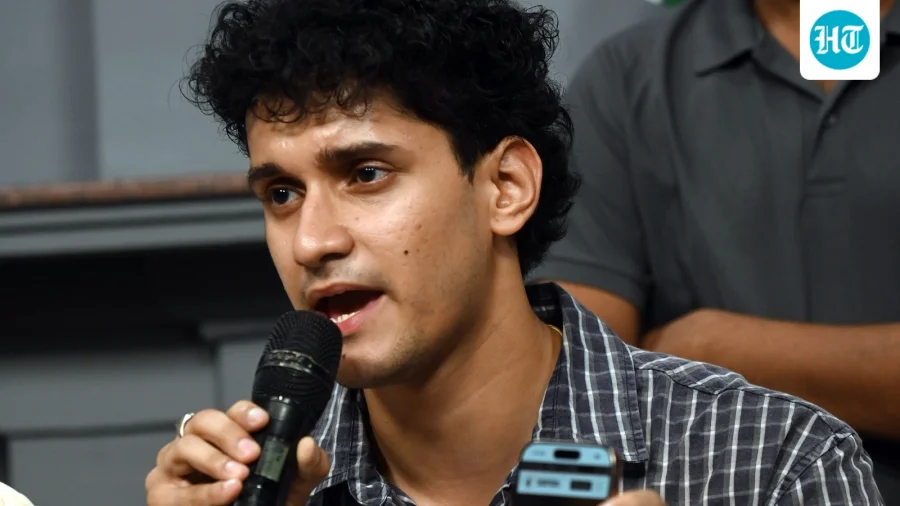
The simmering tension between student activists and the judiciary has erupted into open confrontation. Abhijeet Dipke, founder of the Campaign for Justice and Peace (CJP), has declared the Supreme Court’s recent order on student FIRs as “not acceptable,” alleging it directly contradicts the assurances given by the government. With a Tuesday deadline looming for the withdrawal of FIRs against students, Dipke’s warning of fresh protests signals a potential flashpoint in campus politics.
What the Supreme Court Order Means for Students
The Supreme Court’s directive, while not fully detailed in public statements, appears to have disappointed student leaders who expected a blanket withdrawal of FIRs. Dipke argued that the order falls short of the government’s earlier promises to students, creating a credibility gap. For thousands of students facing legal action, this order could mean continued uncertainty and legal battles, affecting their education and future prospects.
Why the Government’s Assurances Matter Now
The government had previously signaled a conciliatory approach, promising to withdraw FIRs against students involved in protests. However, the Supreme Court’s intervention has complicated this process. Dipke’s claim that the order contradicts these assurances raises questions about coordination between the executive and judiciary. For students and their families, this inconsistency erodes trust in the system and fuels frustration.
Timeline of the FIR Withdrawal Dispute
The issue dates back to student protests over various demands, leading to multiple FIRs being filed. The government, under pressure, agreed to withdraw cases if students complied with certain conditions. The Supreme Court then stepped in, issuing an order that Dipke now says undermines the original deal. The Tuesday deadline was set by CJP as a final date for the government to act, failing which protests would resume.
Who Is Affected by This Standoff
Students from multiple universities, particularly those involved in recent agitations, are directly impacted. Many face criminal charges that could derail their careers and personal lives. Their families, too, are caught in the legal maze, hoping for a resolution. The broader student community watches closely, as this case could set a precedent for how future protests are handled.
Abhijeet Dipke’s Response and Warning
In a strongly worded statement, Dipke said, “The Supreme Court order is not acceptable. It goes against the government’s own assurances to us.” He warned that if the Tuesday deadline passes without FIR withdrawals, CJP will organize fresh protests across campuses. “We have been patient, but our patience has limits,” he added, signaling a return to street mobilization.
Analyzing the Contradiction: Court vs Government
The apparent contradiction between the Supreme Court order and government assurances highlights a deeper systemic issue. While the government may have intended to de-escalate tensions, the judiciary’s independent stance can override such promises. Legal experts suggest that the court may have imposed conditions or limitations that the government did not anticipate. This disconnect leaves students in a precarious position, caught between two arms of the state.
Confirmed Facts vs What Remains Unclear
What is confirmed: CJP founder Abhijeet Dipke has rejected the Supreme Court order and warned of protests. The Tuesday deadline for FIR withdrawal is real. What remains unclear: the exact text of the Supreme Court order, the specific government assurances referenced, and whether the government will meet the deadline. All claims about the order’s content are based on Dipke’s statements and have not been independently verified.
Risks and Balanced View
While Dipke’s stance reflects student anger, critics argue that the Supreme Court’s order may have been necessary to ensure due process. Some legal observers caution that blanket FIR withdrawals could set a bad precedent, encouraging lawlessness. On the other hand, students feel victimized by a system that criminalizes peaceful protest. The risk of fresh protests could disrupt academic schedules and lead to further legal complications.
Wider Pattern of Student-Judiciary Tensions
This is not an isolated incident. Across India, student activists have frequently clashed with authorities over FIRs filed during protests. The judiciary has often been called upon to balance the right to protest with legal accountability. This case mirrors similar disputes in other states, where government promises of leniency have been challenged by court orders.
What Students and Activists Should Do Now
Students affected by FIRs should consult legal aid groups to understand the Supreme Court order’s implications. Activists should document all government communications and court orders for future reference. If the Tuesday deadline passes, peaceful protests may be a legitimate option, but participants must be aware of legal risks. Engaging with media and public opinion could also build pressure for a resolution.
Future Outlook: What Happens Next
The next 48 hours are critical. If the government meets the Tuesday deadline, tensions may ease temporarily. If not, CJP’s protests could gain momentum, drawing support from other student bodies. The Supreme Court may also clarify its order, potentially bridging the gap with government assurances. However, without a clear compromise, this standoff could escalate into a larger movement.
Our Take
This dispute underscores a fundamental challenge in Indian governance: the gap between executive promises and judicial reality. While the government may have intended to pacify students, the Supreme Court’s independent role cannot be bypassed. Dipke’s frustration is understandable, but a confrontational approach risks alienating the judiciary. The best outcome would be a negotiated settlement that respects both legal processes and student grievances. For now, the ball is in the government’s court—literally and figuratively.
Frequently Asked Questions
What is the CJP’s main demand regarding student FIRs?
The CJP, led by Abhijeet Dipke, demands the withdrawal of all FIRs filed against students involved in protests, based on earlier government assurances.
Why does Abhijeet Dipke say the Supreme Court order is not acceptable?
Dipke claims the Supreme Court order contradicts the government’s promise to withdraw FIRs, leaving students still facing legal action.
What happens if the Tuesday deadline is missed?
Dipke has warned of fresh protests if the government fails to withdraw FIRs by the Tuesday deadline, potentially escalating campus unrest.
Is the Supreme Court order final, or can it be challenged?
The Supreme Court order can be reviewed or clarified through a petition, but it remains binding unless modified. Students may seek legal recourse.