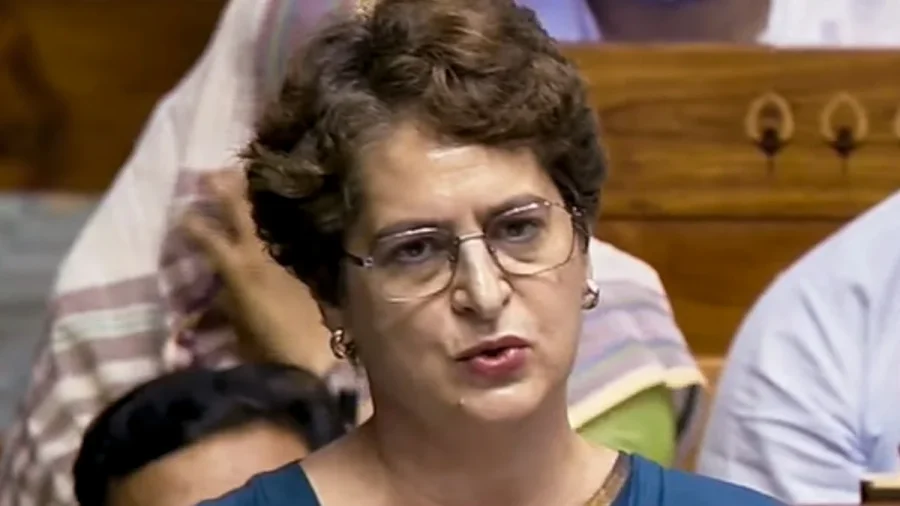
The debate over India's single medical entrance exam took a sharp turn in Parliament on Tuesday, with DMK MP Dayanidhi Maran directly challenging the government's 'One Nation, One Exam' vision. Speaking during the discussion on the Public Examinations (Prevention of Unfair Means) Amendment Bill, 2026, Maran made a forceful case against the National Eligibility cum Entrance Test (NEET), calling it unnecessary and discriminatory.
Why NEET is being questioned in Parliament
"NEET is not necessary. Do not go for 'One India, One Exam'," Maran exhorted in the Lok Sabha. His argument centred on the structural disadvantages the exam creates for first-generation students—those whose families have no prior experience with medical education—and for students who study in their mother tongue. The MP pointed out that the exorbitant cost of coaching required to crack NEET effectively shuts out a large segment of aspirants from rural and non-English medium backgrounds.
The core complaint: coaching costs and language barriers
Maran's critique goes to the heart of a long-standing grievance about NEET. While the exam was introduced to standardise admissions and curb corruption, critics argue it has created a new inequality. Students from cities with access to expensive coaching centres have a clear advantage over those from smaller towns or villages who cannot afford such preparation. For first-generation learners, the lack of family guidance compounds the financial burden. Maran specifically highlighted the plight of students who study in regional languages, who often find the exam's English-heavy format an additional hurdle.
Has NEET improved healthcare? The MP's challenge
"Has any improvement in healthcare in the country happened because of NEET? What purpose does it continue to serve?" Maran asked, directly questioning the exam's stated goal of improving the quality of medical professionals. This line of attack reframes the debate from a question of exam integrity to one of outcomes. The MP implied that despite years of NEET, the quality of healthcare—especially in rural and underserved areas—has not seen a corresponding improvement, raising doubts about the exam's real-world impact.
Objection to Finance Minister's remark on paper leak
Maran also took exception to a comment made by Finance Minister Nirmala Sitharaman regarding the NEET paper leak. According to the MP, Sitharaman had suggested that the leak was, in a sense, beneficial because students got more time to prepare. Maran's objection highlights the sensitivity around exam security and the government's handling of leaks, which have eroded public trust in the examination system. The remark, he implied, trivialised a serious breach that affected lakhs of students.
Who is affected by this debate
The 'One Nation, One Exam' policy directly impacts millions of medical aspirants across India, particularly those from economically weaker sections, rural areas, and non-English medium schools. For first-generation students, the stakes are especially high. Many families invest their life savings in coaching, only to face intense competition. The debate in Parliament brings their struggle into the national conversation, forcing a reckoning with whether a single, high-stakes exam is the best way to select future doctors.
Confirmed facts vs what remains unclear
Confirmed: DMK MP Dayanidhi Maran made the statements during the Lok Sabha debate on the Public Examinations (Prevention of Unfair Means) Amendment Bill, 2026. He explicitly called NEET unnecessary and urged the government to abandon the 'One Nation, One Exam' model. He also objected to Finance Minister Nirmala Sitharaman's remark about the NEET paper leak. Unclear: The exact wording of Sitharaman's remark and the context in which it was made are not fully detailed in the available source. The government's formal response to Maran's specific criticisms is also not yet available.
Risks and concerns with the current system
Critics of NEET, including Maran, point to several risks: the growing coaching industry that profits from student anxiety, the mental health toll on aspirants, the neglect of regional languages in medical education, and the lack of evidence that a single exam improves healthcare outcomes. Supporters of the system argue that NEET has reduced corruption in medical admissions and created a level playing field across states. The debate thus pits the ideal of standardisation against the reality of unequal access.
Wider trend: questioning standardised exams in India
Maran's intervention is part of a broader national conversation about the role of high-stakes standardised exams. From the controversy over the Common University Entrance Test (CUET) to ongoing debates about board exam reforms, there is growing scrutiny of whether 'one-size-fits-all' exams serve the diverse needs of India's student population. The NEET debate, with its life-and-death implications for medical careers, is perhaps the most charged example of this trend.
What students and parents should know
For medical aspirants and their families, this parliamentary debate signals that the future of NEET is not settled. While the exam remains in place for now, the political pressure to reform or replace it is mounting. Students should continue their preparation as per current requirements but stay informed about any policy changes. Parents should be aware of the arguments being made in Parliament, as they may influence future admission processes.
Future outlook: what could happen next
The Public Examinations (Prevention of Unfair Means) Amendment Bill, 2026, is still under consideration. The government may respond to the criticism by proposing reforms to NEET rather than scrapping it entirely. Possible changes could include a multi-language exam format, reduced coaching dependency through syllabus changes, or a hybrid model that combines board marks with entrance scores. However, a complete abandonment of 'One Nation, One Exam' appears unlikely in the near term, given the government's investment in the policy.
Our Take
Dayanidhi Maran's speech in Lok Sabha is significant not because it will immediately change policy, but because it gives voice to a widespread but often unheard grievance. The NEET system, for all its intentions, has created a new class of winners and losers, with the losers disproportionately coming from disadvantaged backgrounds. The question of whether a single exam can fairly select doctors for a country as diverse as India is a legitimate one. The government's challenge is to address these concerns without undermining the gains in transparency that NEET has brought. This debate is far from over.
Frequently Asked Questions
Why did DMK MP Dayanidhi Maran oppose NEET in Parliament?
Maran argued that NEET disadvantages first-generation students and those who study in regional languages, as they cannot afford the expensive coaching required to crack the exam. He also questioned whether NEET has actually improved healthcare quality in India.
What is the 'One Nation, One Exam' policy?
It is the government's policy to have a single national-level entrance exam for medical admissions (NEET) instead of separate state-level exams. Maran urged the government to abandon this approach.
What did the Finance Minister say about the NEET paper leak?
According to Maran, Finance Minister Nirmala Sitharaman remarked that the NEET paper leak was beneficial as it gave students more time to prepare. Maran objected to this characterisation.
Will NEET be scrapped after this debate?
There is no immediate indication that NEET will be scrapped. The debate is part of ongoing parliamentary discussion on the Public Examinations Bill. Any change would require significant legislative and policy action.