Imagine a device that doesn’t have a single app icon. No home screen cluttered with folders. No app store to browse. Instead, it’s just you, a screen, and an intelligent agent that anticipates your needs, generates interfaces on the fly, and gets things done without you ever tapping an icon.
That’s the vision behind Microsoft’s Project Solara — a new Android-based operating system designed not for apps, but for AI agents. Announced at Build 2026, it’s Microsoft’s boldest bet yet on a future where software is invisible, and intelligence is the interface.
Microsoft’s New Android OS Ditches Apps for Intelligent Agents
Project Solara is not a replacement for Windows or a new phone OS you’ll download next week. It’s a concept platform — currently limited to a few pieces of experimental hardware and software — that Microsoft hopes will define the next era of personal computing.
According to reports from Ars Technica and GeekWire, Solara is built on Android, not Windows. This is a significant strategic choice. It signals that Microsoft is willing to step outside its own ecosystem to build the platform it believes the future demands.
The core idea is simple: instead of downloading and opening apps, users interact with AI agents that can perform tasks, generate content, and adapt to context in real-time. The interface itself is generated on the spot, shaped by what the agent understands about the user and the task at hand.
Why This Matters Right Now
Microsoft missed the mobile app revolution. Windows Phone never caught up to iOS and Android. Now, the company is trying to leapfrog the entire app paradigm with an agent-first approach.
This matters because it represents a fundamental shift in how we think about software. For decades, the app has been the primary unit of computing. You want to edit a photo? Open a photo app. You want to send a message? Open a messaging app. Project Solara challenges this model by making the agent the primary unit — the app becomes irrelevant because the agent can do everything.
If successful, this could reshape the entire software industry. Developers would no longer build apps; they would build agent capabilities. Users would no longer manage apps; they would manage relationships with agents.
How Project Solara Unfolded at Build 2026
Microsoft’s Build conference has long been a stage for developer-focused announcements. But this year, the company went beyond tools and frameworks to unveil a full platform vision.
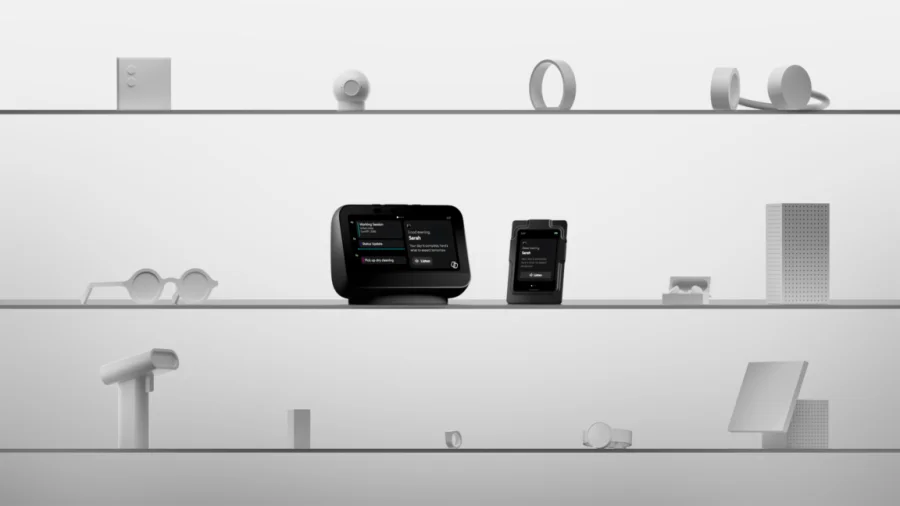
Project Solara was introduced alongside two concept devices: a desktop hub and a wearable badge. These devices are not meant for consumers yet. They are pilot hardware for big-name businesses to test the agent-first experience.
The desktop hub resembles a smart display but with no traditional interface. The wearable badge is a small, always-on device that can interact with agents hands-free. Both are powered by Solara, which generates interfaces dynamically based on the agent’s understanding of the user’s intent.
Microsoft emphasized that Solara is awaiting the “magical agents of the future” — the AI models that are powerful enough to make this vision practical. The company is betting that such models will exist soon, and Solara will be ready for them.
Who Is Affected and What Microsoft Is Saying
Right now, Project Solara affects a small group: developers, enterprise partners, and technology enthusiasts. But its implications are far broader.
For developers, Solara represents a new way to build software. Instead of designing user interfaces and app flows, they would focus on training and deploying agents that can understand and act on user intent.
For businesses, the pilot program offers a glimpse into a future where employees interact with intelligent agents rather than complex software suites.
For consumers, Solara is a promise — or a warning — that the way we use technology could change dramatically in the coming years.
Microsoft has not officially commented beyond the Build 2026 presentation. However, internal sources cited by LinkedIn suggest that a team inside Microsoft has been quietly building Solara for some time, based on Android rather than Windows, to leverage the existing hardware ecosystem.
What We Know So Far — and What Remains Unclear
What we know:
- Project Solara is an Android-based operating system.
- It is designed to run AI agents instead of traditional apps.
- It is currently limited to concept hardware and pilot programs.
- Two concept devices exist: a desktop hub and a wearable badge.
- Interfaces are generated dynamically by the agent.
What remains unclear:
- When — or if — Solara will be available to consumers.
- How developers will build agents for the platform.
- What AI models will power Solara’s agents.
- How Microsoft will handle privacy and security in an agent-first world.
- Whether the hardware will be manufactured by Microsoft or partners.
Risks, Concerns, and the Balanced View
Project Solara is ambitious, but it carries significant risks.
Technical risk: The entire vision depends on AI models that are powerful, reliable, and fast enough to generate interfaces and perform tasks in real-time. Current models are impressive but not yet at that level. Microsoft is betting on future breakthroughs.
Ecosystem risk: The app economy is massive. Convincing developers to abandon app development for agent development is a monumental challenge. Without a rich ecosystem of agents, Solara devices will be limited.
User adoption risk: People are accustomed to apps. The app paradigm is intuitive: you know what an app does, you open it, you use it. An agent-first interface is more abstract. Users may find it confusing or unsettling.
Privacy risk: Agents need deep access to user data, context, and behavior to function effectively. This raises serious privacy concerns. How much data will agents collect? Who controls it? How is it secured?
Critics argue that Project Solara is a solution in search of a problem. Apps work well for most people. The agent-first vision may be over-engineered for tasks that apps already handle efficiently.
Supporters counter that apps are a limitation, not a feature. They argue that the app model forces users to adapt to software, rather than software adapting to users. Agents, they say, represent a more natural and intuitive way to interact with technology.
Why Similar Trends Are Growing in the Tech Industry
Microsoft is not alone in pursuing an agent-first vision. The entire tech industry is moving toward AI agents.
Google has been integrating AI agents into its products, from Assistant to Gemini. OpenAI’s GPTs and custom agents are gaining traction. Apple is rumored to be working on a more intelligent Siri that can act as an agent. Even startups are building agent-first platforms.
The trend is driven by a simple realization: the app model is reaching its limits. Apps are siloed, require manual management, and force users to learn multiple interfaces. Agents, in theory, can unify everything under a single intelligent layer.
Project Solara is Microsoft’s attempt to own that layer. By building on Android, the company is positioning itself to be the platform for agent-first devices, regardless of who makes the hardware.
What Developers, Businesses, and Users Should Know Now
For developers: Start thinking about agent-based architectures. Even if Solara never launches, the trend toward agents is clear. Learning how to build and train agents will be a valuable skill.
For businesses: Watch the pilot program closely. If Solara proves successful in enterprise settings, it could transform how employees interact with software. Early adopters may gain a competitive advantage.
For users: Don’t expect to buy a Solara device anytime soon. But do pay attention to how AI agents are being integrated into the devices you already use. The shift from apps to agents is already happening, even if it’s not as dramatic as Solara.
What Could Happen Next
The immediate future of Project Solara depends on the pilot program. If enterprise partners find value in agent-first devices, Microsoft may expand the program and eventually release consumer hardware.
In the medium term, expect Microsoft to release more details about the developer platform for Solara. This will be critical for building the agent ecosystem.
In the long term, Solara could become a major platform — or it could be remembered as an ambitious experiment that never quite worked. The outcome depends on the pace of AI advancement, developer adoption, and user acceptance.
One thing is certain: Microsoft is all-in on AI, and Project Solara is its most radical bet yet.
Our Take: Why This Story Matters Beyond One Announcement
Project Solara is more than a product announcement. It’s a statement about the future of computing.
Microsoft is essentially saying that the app era is ending. The company that missed the app revolution is now trying to lead the agent revolution. Whether it succeeds or fails, Solara represents a bold reimagining of what software can be.
For users, the message is clear: the way you interact with technology is about to change. The question is not whether agents will replace apps, but when — and who will build the platform that makes it possible.
Microsoft is placing its bet on Solara. The rest of the industry is watching closely.
FAQs
What is Microsoft Project Solara?
Project Solara is a new Android-based operating system from Microsoft designed to run AI agents instead of traditional apps. It generates interfaces dynamically based on user intent and is currently limited to concept hardware and pilot programs.
How is Project Solara different from Windows or Android?
Unlike Windows or standard Android, Solara has no app icons or home screen. Instead, it relies entirely on AI agents that perform tasks and generate interfaces on the fly. It is built on Android but represents a fundamentally different approach to computing.
When will Project Solara be available to consumers?
There is no consumer release date yet. Project Solara is currently limited to concept hardware and enterprise pilot programs. Microsoft has not announced any plans for a consumer launch.
What devices will run Project Solara?
Microsoft has shown two concept devices: a desktop hub and a wearable badge. These are pilot devices for enterprise partners. It is unclear if Microsoft or other manufacturers will produce consumer hardware for Solara in the future.