For years, the Ghazipur landfill has been a towering symbol of Delhi's waste crisis — a mountain of garbage that seems to grow taller with each passing monsoon. But now, the Municipal Corporation of Delhi (MCD) has taken a significant step toward tackling this decades-old problem. In a crucial house meeting on Friday, the MCD approved a proposal to build a new waste processing facility at the Ghazipur landfill site, capable of handling 300 tonnes of fresh waste every single day.
The decision, while long overdue, comes at a time when the city's waste management infrastructure is under immense strain. With landfills overflowing and environmental concerns mounting, this new plant could be a game-changer — if executed properly.
What the MCD House Meeting Approved
According to reports, the MCD house meeting on Friday gave the green light to a proposal for developing a new facility to process fresh waste dumped at the Ghazipur landfill. The plant will have a capacity of 300 tonnes per day (TPD), meaning it can process a significant portion of the daily waste that arrives at the site. Alongside this, the house also approved the installation of a smart streetlight system in six MCD zones, a move aimed at improving energy efficiency and public safety.
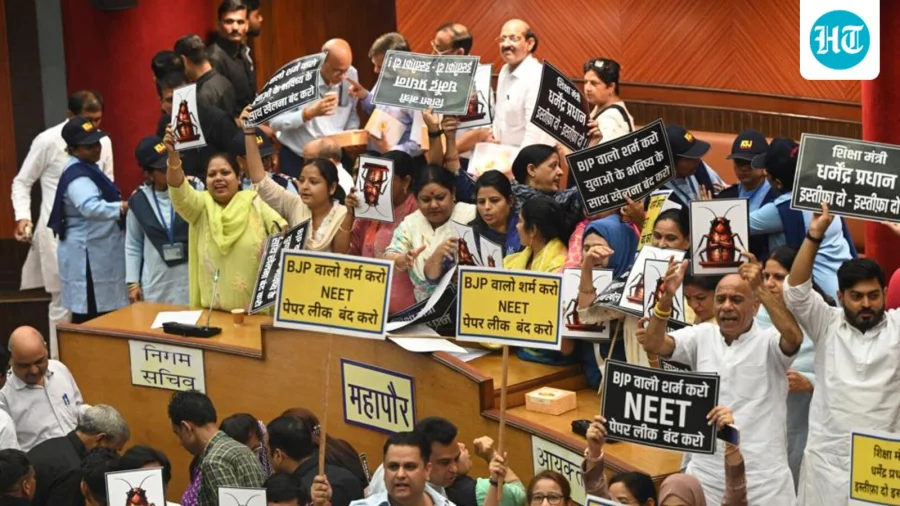
The meeting itself was not without drama. Reports indicate that the session was held amid protests over an exam paper leak, adding a layer of political tension to the proceedings. Despite the distractions, the waste management proposal managed to pass, signaling a rare moment of consensus on a critical civic issue.
Why This Matters Right Now
Delhi's landfills are in a state of emergency. The Ghazipur landfill, in particular, has been a source of health hazards, air pollution, and groundwater contamination for years. Residents living nearby have long complained of respiratory issues, foul odors, and the constant threat of fires breaking out on the garbage heap. The new plant, if it becomes operational, could significantly reduce the amount of fresh waste being dumped at the site, thereby slowing the growth of the landfill and mitigating some of these risks.
For the average Delhi resident, this decision means more than just a cleaner environment. It represents a shift in how the city's civic body approaches waste — from simply dumping garbage to actually processing it. This is a small but crucial step toward a more sustainable urban future.
How the Ghazipur Landfill Crisis Unfolded
The Ghazipur landfill has been in operation for decades, and over the years, it has grown into a towering mound of waste that is visible from miles away. In 2017, the National Green Tribunal (NGT) ordered the closure of the landfill, but the order was never fully implemented due to the sheer volume of waste Delhi generates daily. The site has since become a flashpoint for environmental activism, with local residents and activists demanding immediate action.
The approval of the new waste processing plant is the latest in a series of measures aimed at addressing the crisis. Previous efforts have included biomining projects and the installation of waste-to-energy plants, but many of these have faced delays or operational challenges. The new 300 TPD facility is expected to complement these existing initiatives.
Who Is Affected and What Officials Are Saying
The primary beneficiaries of this decision are the residents of East Delhi, particularly those living in the vicinity of the Ghazipur landfill. For years, they have borne the brunt of the city's waste mismanagement. The new plant could bring them some relief, though experts caution that the benefits will only be felt if the facility is built and operated efficiently.
MCD officials have expressed cautious optimism about the project. According to sources, the civic body is committed to completing the plant within a stipulated timeline, though no specific deadline has been announced. The approval of the smart streetlight system is also expected to improve safety and reduce electricity costs in the six designated zones.
What We Know So Far — and What Remains Unclear
Here's what is confirmed: The MCD house has approved a 300 TPD waste processing facility at Ghazipur. The plant will handle fresh waste, meaning it will process garbage as it arrives, rather than tackling the existing mountain of legacy waste. Additionally, a smart streetlight system has been approved for six MCD zones.
What remains unclear is the timeline for construction, the total cost of the project, and the specific technology that will be used. Questions also linger about how the plant will be funded and whether it will face the same delays that have plagued previous waste management projects in Delhi. The MCD has not yet released detailed plans or a public tender for the project.
Risks, Concerns, and the Balanced View
While the approval is a positive step, it is not without risks. Critics point out that Delhi has a history of approving ambitious waste management projects that never fully materialize. The Ghazipur landfill itself has seen multiple failed attempts at remediation. There are also concerns about the environmental impact of the new plant — will it use incineration, which can release harmful emissions, or more sustainable methods like composting and recycling?
On the other hand, supporters argue that any progress is better than none. The 300 TPD capacity, while not enough to solve the entire crisis, is a meaningful start. If combined with better waste segregation at the source and increased public awareness, the plant could make a tangible difference.
The smart streetlight project, while less controversial, also has its skeptics. Some residents worry about the cost and whether the system will be maintained properly. However, similar projects in other Indian cities have shown significant energy savings.
Why Similar Waste Management Trends Are Growing Across India
Delhi is not alone in its waste crisis. Cities across India are grappling with overflowing landfills and inadequate processing infrastructure. The Swachh Bharat Mission has pushed for better waste management, but implementation remains uneven. The Ghazipur plant is part of a broader trend of urban local bodies turning to technology and private partnerships to tackle waste.
Similar projects have been approved in cities like Mumbai, Bengaluru, and Chennai, though many have faced delays due to land acquisition issues, funding gaps, and public opposition. The success of the Ghazipur plant could serve as a model — or a cautionary tale — for other cities.
- Delhi generates approximately 11,000 tonnes of waste daily, of which only a fraction is processed.
- The Ghazipur landfill currently holds over 10 million tonnes of legacy waste.
- Biomining projects at the site have been slow, with only a small percentage of waste processed so far.
"Wet waste is processed on site for converting into organic compost, dry waste collected is further segregated into 12 different categories." — MCD official, as reported by Hindustan Times
What Residents and Local Communities Should Know Now
For residents living near Ghazipur, the immediate takeaway is that the MCD is finally taking concrete action. However, they should remain vigilant and hold the civic body accountable. Attend local ward meetings, ask questions about the timeline, and demand transparency in the tendering process.
For the broader Delhi public, this decision is a reminder that waste management is a shared responsibility. Segregating waste at home, reducing single-use plastics, and composting organic waste can all help reduce the burden on landfills. The new plant will only be effective if the waste arriving at Ghazipur is properly segregated.
What Could Happen Next
The next steps will involve detailed planning, tendering, and construction. If all goes smoothly, the plant could be operational within 18 to 24 months. However, given Delhi's track record, delays are likely. The MCD will also need to secure funding, which could come from central government grants, state allocations, or public-private partnerships.
In the longer term, the success of this plant could pave the way for similar facilities at other landfill sites in Delhi, including Bhalswa and Okhla. It could also encourage the MCD to invest in more sustainable waste-to-resource technologies.
Our Take: Why This Story Matters Beyond One Landfill
The Ghazipur waste plant approval is more than just a local civic decision. It is a test of whether India's urban local bodies can move beyond rhetoric and deliver tangible results on environmental issues. For years, Delhi's landfills have been a symbol of administrative failure. This project offers a chance to rewrite that narrative.
But the real test will be in execution. The MCD must ensure that the plant is built on time, within budget, and using environmentally sound technology. If it succeeds, it could restore some faith in the city's ability to manage its own waste. If it fails, it will be yet another broken promise on a mountain of garbage.
FAQs
What did the MCD approve in its recent house meeting?
The MCD approved a proposal to build a new 300 tonnes per day (TPD) waste processing facility at the Ghazipur landfill site. It also approved the installation of a smart streetlight system in six MCD zones.
Why is the Ghazipur waste treatment plant important for Delhi?
The Ghazipur landfill is one of Delhi's largest and most polluted waste sites. The new plant will process fresh waste, reducing the amount of garbage dumped at the site and helping to mitigate health and environmental hazards for nearby residents.
When will the new waste processing plant at Ghazipur be operational?
No official timeline has been announced yet. If planning and construction proceed smoothly, the plant could be operational within 18 to 24 months. However, delays are possible due to funding and logistical challenges.
How will the smart streetlight system benefit MCD zones?
The smart streetlight system is expected to improve energy efficiency by automatically adjusting lighting based on movement and time of day. This can reduce electricity costs and improve public safety in the six designated zones.