For millions of students who have seen their careers derailed by exam cancellations, the Lok Sabha’s decision on Wednesday brings a clear message: paper leaks will no longer be treated as a minor offence. The lower house cleared amendments to the Public Examinations (Prevention of Unfair Means) Act 2024, introducing a maximum 10-year jail term and fines up to ₹50 lakh for those found guilty of leaking question papers or manipulating exam processes.
What the amended law changes for exam fraudsters
The core structure of the 2024 Act remains unchanged, but the amendments significantly raise the stakes. Under the new provisions, organized paper leak syndicates, middlemen, and officials involved in leaking exam materials face a minimum of 3–5 years imprisonment, extendable to 10 years. The maximum fine has been increased from ₹1 crore to ₹50 lakh per offence, though the government clarified that the fine is not a cap and can be higher based on the severity of the crime.
Why faster probes and trials matter for students
One of the most significant changes is the mandate for time-bound investigations and trials. In recent years, major exams like NEET-UG, UGC NET, and various state recruitment tests have been cancelled after leaks, affecting lakhs of students who had prepared for months. The amended law requires that investigations be completed within a specified period, and trials be fast-tracked. This means students will no longer face years of uncertainty waiting for justice.
How the paper leak crisis unfolded in India
The need for stricter laws became urgent after a series of high-profile paper leaks in 2023 and 2024. The NEET-UG 2024 leak, where question papers were allegedly sold for crores, led to nationwide protests and demands for a zero-tolerance policy. The UGC NET exam was cancelled just hours before it was scheduled, affecting over 9 lakh candidates. These incidents exposed a well-organized network of touts, exam officials, and printing press staff who had turned exam fraud into a lucrative business.
Who is affected by the new law
The amendments directly impact three groups: students who take competitive exams, the organized syndicates that profit from leaks, and the government agencies responsible for conducting exams. For students, the law offers hope that their hard work will not be undermined by fraud. For the syndicates, the message is clear—the risk of getting caught now carries a 10-year prison sentence. For exam bodies like NTA, the law imposes greater accountability to secure the examination process.
Government’s stance on the amendments
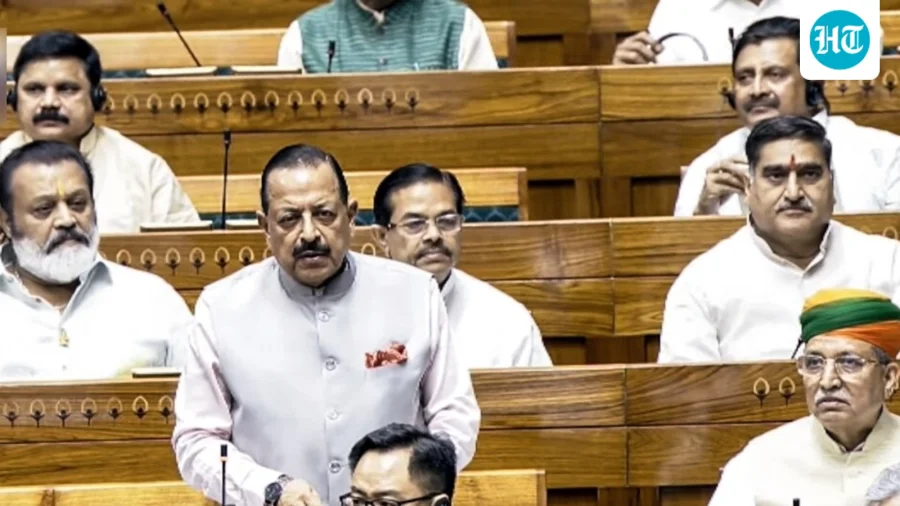
Union Minister Jitendra Singh, while introducing the bill, emphasized that the amendments are not about punishing students but about targeting the organized crime networks behind paper leaks. "This law is aimed at the mafia that has been playing with the future of our youth," he said in the Lok Sabha. The government also clarified that students who are victims of leaks or who inadvertently come into possession of leaked papers will not be prosecuted under the new provisions.
What the 10-year jail term means in practice
The 10-year maximum sentence places paper leak offences in the same category as serious economic crimes. Under the Indian Penal Code, offences punishable by 7–10 years are considered grave and non-bailable in many cases. Legal experts point out that the new law also makes the offence cognizable and non-bailable, meaning police can arrest without a warrant and bail is not automatic. This is a significant departure from earlier provisions where paper leaks were often treated as cheating or breach of trust.
Confirmed facts vs what remains unclear
Confirmed: The Lok Sabha has passed the amendments. The maximum punishment is 10 years imprisonment and ₹50 lakh fine. Investigations and trials will be time-bound. The law targets organized syndicates, not individual students.
Unclear: The exact timeline for completing investigations and trials has not been specified in the public domain. It is also unclear whether the law will apply retrospectively to ongoing cases like the NEET-UG 2024 leak. The Rajya Sabha’s approval is still pending.
How India’s exam system became vulnerable
The paper leak crisis is not just a law-and-order issue—it reflects deeper problems in India’s examination system. With over 2 crore students appearing for competitive exams annually, the pressure on a centralized system like the National Testing Agency (NTA) has been immense. Leaks have occurred at multiple points: during printing, transportation, storage, and even at the distribution centres. The new law attempts to create a deterrent, but experts argue that systemic reforms—like digital question paper delivery and biometric verification at exam centres—are equally important.
What students and parents should know
For students preparing for upcoming exams, the immediate impact of the law is psychological. The government’s message is that exam integrity is being taken seriously. However, students should remain cautious about unofficial sources claiming to have "leaked papers" on social media. Possessing or sharing such material, even inadvertently, could still invite legal scrutiny. Parents are advised to report any suspicious activity to exam authorities rather than engaging with touts.
What happens next
The bill now moves to the Rajya Sabha, where it is expected to face some scrutiny but is likely to be passed given the bipartisan concern over paper leaks. Once both houses clear it, the President’s assent will make it law. The government has indicated that the new provisions will come into effect immediately after notification. Meanwhile, the CBI is already investigating multiple paper leak cases under the existing law, and the new provisions could strengthen their hand in prosecuting the accused.
Our Take
The Lok Sabha’s move is a necessary but not sufficient step. Stronger punishments will deter some, but the real test lies in implementation. India’s exam system needs a complete overhaul—from secure printing to digital delivery—to prevent leaks at the source. The law addresses the symptom, not the disease. However, for the millions of students who have lost faith in the system, this amendment is a signal that the state is finally listening. The speed with which the Rajya Sabha clears this bill will determine whether the government is serious about restoring trust in India’s examination system.
Frequently Asked Questions
What is the new punishment for paper leaks under the amended bill?
The amended Public Examinations Act introduces a maximum 10-year jail term and fines up to ₹50 lakh for organized paper leak offences. The minimum punishment is 3–5 years imprisonment.
Will students be punished under the new law?
No. The government has clarified that the law targets organized syndicates, middlemen, and officials involved in leaking papers. Students who are victims of leaks or who inadvertently come across leaked material will not be prosecuted.
When will the new law come into effect?
The bill has been passed by the Lok Sabha and now needs Rajya Sabha approval and the President’s assent. Once cleared, it will come into effect immediately after official notification.
Does the law apply to all exams in India?
The Public Examinations Act applies to exams conducted by central government bodies like the NTA, UPSC, SSC, and railway recruitment boards. State-level exams are covered by separate state laws, though many states are expected to follow with similar amendments.