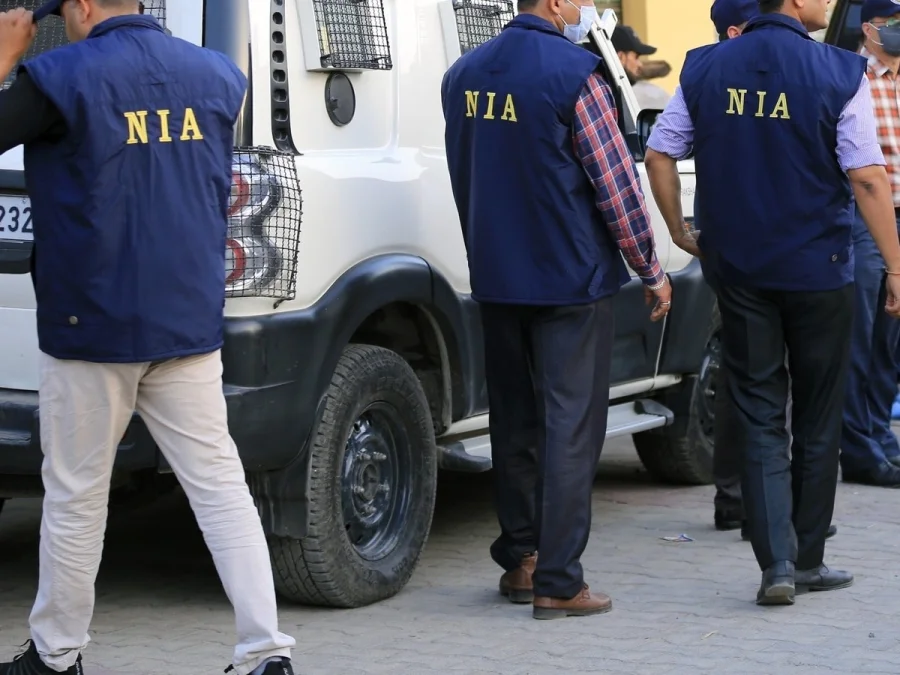
The National Investigation Agency (NIA) has made a major breakthrough in the Jharkhand motorcycle blast case, arresting two individuals in Koderma on Thursday. The arrests came after coordinated raids by two NIA teams, which also led to the seizure of over 1600 detonators, signaling a significant escalation in the investigation into explosive smuggling networks in the region.
Coordinated Raids in Koderma: How the Arrests Unfolded
According to officials, the NIA deployed two separate teams to conduct simultaneous raids at different locations in Koderma district. The operation was meticulously planned to prevent any escape or destruction of evidence. The two arrested individuals are believed to be key links in the chain of explosive supply, though their exact roles are still under scrutiny.
Why This Matters: The Threat of Explosive Smuggling in Jharkhand
The seizure of 1600 detonators is not a small haul. It points to a well-organized network that could supply explosives for criminal or extremist activities. For residents of Jharkhand, this case underscores the persistent challenge of illegal arms and explosive trafficking, which often fuels local conflicts and poses a direct threat to public safety.
Timeline of the Motorcycle Blast Case
The motorcycle blast incident, which prompted the NIA's involvement, had raised alarm bells earlier this year. While specific details of the original blast remain under investigation, the agency's focus on this case has now led to these arrests. The NIA took over the investigation from local police, citing the case's potential interstate and national security implications.
Human Impact: Who Is Affected by This Development?
For the local communities in Koderma and surrounding areas, the arrests bring a mix of relief and anxiety. Relief that law enforcement is actively dismantling networks that could cause harm, but anxiety over how deep the network runs. Families in the region, already wary of sporadic violence, will be watching the investigation closely for signs of lasting safety improvements.
Official Response: What the NIA Has Said So Far
NIA officials have confirmed the arrests and the seizure of detonators but have remained tight-lipped about the identities of the accused and the specific charges. "The investigation is ongoing, and further details will be shared as the probe progresses," a senior NIA officer stated, emphasizing the need to protect the integrity of the operation.
Analysis: What This Arrest Reveals About Explosive Networks
The recovery of 1600 detonators suggests a supply chain that is both active and sizable. Experts believe that such a quantity is unlikely to be for a single operation, indicating a stockpile meant for multiple uses or distribution. The NIA's ability to trace this network back to Koderma highlights the importance of intelligence-led policing in tackling such threats.
Confirmed Facts vs What Remains Unclear
Confirmed: Two individuals arrested in Koderma; over 1600 detonators seized; NIA conducted coordinated raids. Unclear: The identities of the accused; their exact connection to the motorcycle blast; the source of the detonators; whether more arrests are expected. All speculation about links to larger terror networks should be treated as unconfirmed until officially stated.
Risks and Balanced View
While the arrests are a positive step, challenges remain. The sheer volume of seized explosives raises questions about how such materials enter the region undetected. Critics may also point to the need for stronger border controls and local policing to prevent future smuggling. The NIA's success here must be weighed against the broader systemic gaps that allow such networks to operate.
Wider Trend: Explosive Smuggling in Eastern India
Jharkhand, along with neighboring states like Bihar and West Bengal, has long been a corridor for illegal arms and explosives. This case fits into a larger pattern of criminal networks exploiting porous borders and remote areas. The NIA's involvement signals a shift toward central agencies taking a more active role in what were once considered local law enforcement matters.
Practical Guidance for Residents
For those living in areas prone to such activities, staying informed through official channels is crucial. Report any suspicious activity to local police or the NIA's toll-free helpline. Avoid engaging with unverified information on social media, as it can hinder investigations. Community vigilance, combined with law enforcement action, remains the best defense.
Future Outlook: What Could Happen Next
The NIA is likely to interrogate the arrested individuals to map the entire network, including suppliers and potential recipients. Further raids in other districts or states cannot be ruled out. The case may also lead to enhanced surveillance of known smuggling routes in Jharkhand. However, the timeline for any major developments remains uncertain.
Our Take
This operation is a reminder that the fight against explosive smuggling requires persistent, intelligence-driven action. While the arrests are commendable, the real test will be whether the NIA can dismantle the entire chain and prevent future incidents. For now, the people of Jharkhand can take some comfort in knowing that the agency is actively working to address a threat that has long simmered beneath the surface.
Frequently Asked Questions
What is the Jharkhand motorcycle blast case?
It is an investigation by the NIA into an incident involving a motorcycle blast in Jharkhand. The case led to the arrest of two individuals and the seizure of over 1600 detonators in Koderma.
Why did the NIA arrest two people in Koderma?
The NIA arrested them in connection with the motorcycle blast case, as part of a probe into explosive smuggling. The arrests followed coordinated raids that recovered a large cache of detonators.
How many detonators were seized in the NIA raids?
Over 1600 detonators were seized during the simultaneous raids conducted by two NIA teams in Koderma, Jharkhand.
What happens next in the investigation?
The NIA will interrogate the accused to uncover the full network, including the source of the explosives and any links to other cases. Further arrests or raids may follow as the investigation progresses.