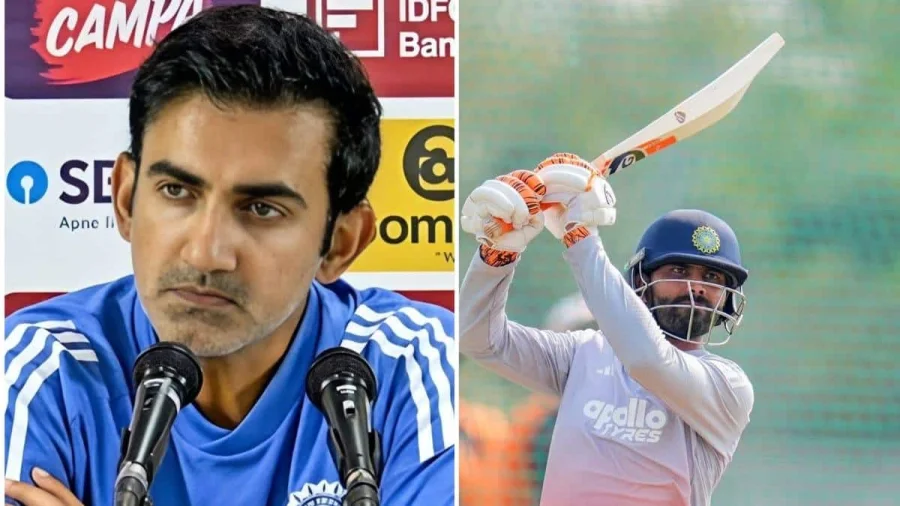
Indian cricket is undergoing a quiet but significant restructuring. Under head coach Gautam Gambhir, the team management has taken a decisive step: five prominent players, including Ravindra Jadeja, have been restricted to a single format. The move, confirmed by sources within the Board of Control for Cricket in India (BCCI), signals a shift away from multi-format roles toward specialization as the 2027 ODI World Cup and the World Test Championship (WTC) cycle gather pace.
Why Format-Specific Roles Are Being Enforced Now
The decision is rooted in workload management. With a packed international calendar — including bilateral series, the IPL, and global tournaments — players have faced burnout and injury risks. Gambhir and the selection committee believe that restricting certain players to one format will extend their careers and ensure peak performance when it matters most. The 2027 ODI World Cup, in particular, demands a focused squad, and the WTC final race requires Test specialists who are not distracted by T20 commitments.
Who Are the Five Players Affected?
While the full list has not been officially released, Ravindra Jadeja is confirmed as one of the five. The other four are understood to be senior or emerging players who have been regulars across formats. Sources indicate that the group includes a mix of all-rounders, bowlers, and batsmen — each now assigned to either Tests, ODIs, or T20Is exclusively. The BCCI has not named the remaining four, but speculation centers on players with heavy workloads or those whose skills are most valuable in a single format.
How This Changes Team India’s Selection Strategy
The format-specific approach means that India’s squad for each series will now be built around specialists rather than multi-format stars. For example, a player like Jadeja — known for his all-round abilities in Tests and ODIs — will now focus on one format, likely Tests, given his recent dominance in the longest format. This could open doors for younger players in other formats, creating a deeper talent pool. However, it also means that India loses the flexibility of using proven performers across all three formats.
What This Means for Ravindra Jadeja’s Career
Jadeja, 36, has been a mainstay in all three formats for years. His left-arm spin, sharp fielding, and lower-order batting have made him invaluable. Under this new policy, he is expected to be retained primarily for Test cricket, where his bowling average of 24.06 and batting contributions have been crucial. This move likely ends his ODI and T20I appearances, barring emergencies. For Jadeja, it is a chance to prolong his Test career and focus on the WTC cycle, but it also marks the end of his multi-format journey.
Gautam Gambhir’s Vision for Specialization
Gambhir, known for his no-nonsense approach as a player, has brought a similar philosophy to coaching. He has emphasized clarity in roles and accountability. In recent press interactions, he hinted at the need for "format-specific specialists" to compete with top teams like Australia and England, who have long used such strategies. The BCCI has backed this vision, seeing it as a way to build a more resilient and focused squad for the 2027 World Cup and beyond.
Balancing Workload and Performance
The move is not without risks. Critics argue that restricting players to one format reduces India’s ability to adapt during transitions — for instance, if a Test specialist is needed in an ODI series due to injury. However, the management believes that the benefits of reduced fatigue and specialized preparation outweigh these concerns. Data from sports science teams has shown that players who focus on one format have lower injury rates and better consistency in performance.
How Other Teams Have Used Format Specialization
Australia has long employed format-specific contracts, with players like Pat Cummins focusing on Tests and ODIs while skipping T20Is. England’s "red-ball" and "white-ball" splits have also been successful. India’s move aligns with this global trend, but it is a departure from the country’s tradition of multi-format stars like Sachin Tendulkar and Virat Kohli. The shift reflects modern cricket’s demands, where the calendar is too crowded for most players to excel in all three formats.
What Fans and Experts Are Saying
Reactions have been mixed. Former cricketers like Sunil Gavaskar have praised the move for its long-term thinking, while others worry about losing the "all-rounder" culture that defined Indian cricket. On social media, fans have expressed concern about Jadeja’s reduced role in white-ball cricket, but many acknowledge that it could benefit his Test career. The BCCI has not commented officially, but insiders say the policy will be reviewed after the 2025-26 season.
What Happens Next for Indian Cricket
The immediate impact will be seen in India’s squad for the upcoming Test series against Australia and the ODI series against England. Players like Jadeja are expected to be named only in the Test squad, while others will be assigned to white-ball series. The policy may also influence IPL retention decisions, as players restricted to one format might prioritize franchise cricket in their non-specialist formats. The long-term goal is clear: build a team that can win the 2027 ODI World Cup and the WTC title.
Our Take
This is a pragmatic move by Gambhir and the BCCI, driven by the realities of modern cricket. While it may disappoint fans who love seeing stars like Jadeja in all formats, it prioritizes performance and longevity. The key will be execution — ensuring that the right players are assigned to the right formats and that the transition is smooth. If successful, this could become a blueprint for Indian cricket’s future. If not, it risks alienating players and disrupting team balance. For now, it is a bold experiment worth watching.
Frequently Asked Questions
Why has Ravindra Jadeja been restricted to a single format?
Jadeja is among five players restricted to one format under Gautam Gambhir’s workload management strategy. The move aims to reduce burnout and optimize performance for the 2027 ODI World Cup and WTC cycle. He is expected to focus on Test cricket.
Which other Indian players are affected by this format restriction?
The BCCI has not officially named the other four players. Reports suggest they are senior or emerging cricketers with heavy workloads across formats. The list is expected to be confirmed in upcoming squad announcements.
Will this policy affect India’s performance in the 2027 ODI World Cup?
The policy is designed to improve performance by allowing players to specialize. By reducing multi-format fatigue, the management hopes to have a fresher, more focused squad for the World Cup. However, it may reduce flexibility in squad selection.
Is this a permanent change for Indian cricket?
The policy is currently being implemented on a trial basis. The BCCI and team management will review its effectiveness after the 2025-26 season. It could become permanent if it yields positive results in terms of player performance and injury reduction.