The ancient port city of Tyre, a jewel of Lebanon's southern coast, woke up to the roar of jets and the thud of explosions on Monday. Israeli air strikes hammered the city just hours after Iran issued a stark warning: stop attacking our ally Hezbollah, or face the consequences. The message was clear, but the bombs fell anyway.
Strikes on a Historic City: What Happened in Tyre
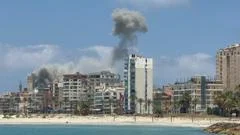
The Israeli military launched a series of airstrikes on Tyre, targeting what it described as Hezbollah command centers, weapons storage sites, and operational infrastructure. Witnesses reported multiple explosions in the city center, near the port, and in residential neighborhoods. At least eight people were killed and dozens wounded, according to Lebanese health officials. The death toll is expected to rise as rescue teams dig through the rubble of collapsed buildings.
Why Tyre Matters: A City Caught Between History and War
Tyre is not just another Lebanese town. It is a UNESCO World Heritage site, home to ancient Roman ruins and a bustling port. For decades, it has been a stronghold of Hezbollah, but also a home to tens of thousands of civilians, including many Palestinian refugees. The strikes on Tyre represent a significant escalation — Israel is now hitting a major urban center, not just border villages or military outposts. For residents, the fear is that their city has become a frontline in a widening war.
Iran's Warning: A Red Line Crossed
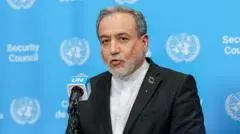
On Sunday, Iran's foreign ministry issued a pointed warning: if Israel did not stop its attacks on Lebanon, Tehran could resume hostilities. The warning was widely seen as a threat to unleash Hezbollah's full rocket arsenal or even involve Iranian proxies in Syria and Yemen. By striking Tyre on Monday, Israel appeared to be testing that red line. Analysts say the timing is no coincidence — it signals that Israel is willing to risk a broader confrontation with Iran to degrade Hezbollah's military capabilities.
The Human Cost: Civilians in the Crossfire
For the people of Tyre, the strikes have brought terror and loss. Families huddled in basements as explosions shook their homes. Hospitals, already strained by months of conflict, are overwhelmed with wounded civilians. "We have nowhere to go," one resident told local media. "The bombs are everywhere." The strikes have also damaged historic sites, including parts of the old city, drawing condemnation from UNESCO and cultural heritage groups.
Israel's Military Justification: Targeting Hezbollah Infrastructure
The Israeli military stated that the strikes were precise and aimed at Hezbollah assets embedded within civilian areas. "Hezbollah deliberately uses civilian infrastructure as cover for its military operations," an IDF spokesperson said. Israel has long accused Hezbollah of storing weapons in residential buildings, schools, and mosques. However, human rights groups warn that such strikes, even if aimed at military targets, risk disproportionate civilian casualties and may violate international law.
Escalation Dynamics: Why This Strike Changes the Conflict
The attack on Tyre marks a shift in the Israel-Hezbollah conflict. For months, fighting has been largely confined to border areas and southern villages. Hitting a major city like Tyre signals that Israel is expanding its target set. This could provoke Hezbollah to respond with longer-range rockets, potentially striking deeper into Israeli territory. The risk of a full-scale war, one that could draw in Iran and its regional proxies, has never been higher.
Confirmed Facts vs What Remains Unclear
Confirmed: Israeli airstrikes hit multiple locations in Tyre on Monday. At least eight people were killed. Iran issued a warning on Sunday. The Israeli military confirmed the strikes and said they targeted Hezbollah infrastructure.
Unclear: The exact number of casualties and the extent of damage to historic sites. Whether any senior Hezbollah commanders were killed. The precise nature of Iran's next steps — whether the warning is a bluff or a genuine threat of escalation. Independent verification of Israeli claims about Hezbollah assets in targeted buildings is not yet available.
Hezbollah's Military Capability: What Israel Is Trying to Degrade
Hezbollah is widely considered the most heavily armed non-state military force in the world, with an arsenal estimated at over 150,000 rockets and missiles, including precision-guided munitions. The group has extensive combat experience from the Syrian civil war. Its ability to strike deep into Israel is a key deterrent. By hitting Tyre, Israel is attempting to disrupt Hezbollah's command and logistics networks, but the group's decentralized structure makes it difficult to cripple.
Risks and Balanced View: The Danger of Miscalculation
The strikes carry significant risks. Escalation could spiral into a regional war involving Iran, Syria, and even Iraqi militias. Critics argue that Israel's strategy of targeted assassinations and infrastructure strikes has not stopped Hezbollah from rebuilding. There is also the humanitarian cost: civilians in southern Lebanon are bearing the brunt of the fighting. Some analysts warn that Israel may be overestimating its ability to manage a multi-front conflict.
Wider Pattern: The Iran-Israel Shadow War Turns Hot
The Tyre strikes are the latest chapter in a long-running shadow war between Israel and Iran. For years, the two countries have fought through proxies, cyberattacks, and covert operations. Now, the conflict is becoming more direct. Iran's warning and Israel's response suggest that both sides are willing to take greater risks. The question is whether either side has a clear exit strategy.
What Residents of Southern Lebanon Should Know
For civilians in Tyre and surrounding areas, the immediate priority is safety. Authorities advise staying in shelters, avoiding known Hezbollah-associated areas, and keeping emergency supplies ready. International aid agencies are mobilizing, but access remains difficult due to ongoing strikes. Those with family abroad should register with their embassies. The situation is fluid — further strikes are likely.
What Comes Next: Ceasefire Hopes vs Escalation Reality
Diplomatic efforts by the US, France, and the UN have so far failed to secure a ceasefire. Israel insists it will continue operations until Hezbollah is pushed back from the border. Iran has signaled it may escalate if strikes persist. The coming days will be critical: either both sides step back, or the region slides into a wider war. For now, the bombs over Tyre suggest the latter is more likely.
Our Take
The strikes on Tyre represent a dangerous inflection point. By hitting a major city, Israel has raised the stakes in a conflict that was already spiraling. Iran's warning, while perhaps rhetorical, cannot be dismissed. The risk of miscalculation is high — both sides have strong incentives to escalate, but neither has a clear path to victory. For civilians, the cost is already unbearable. The international community must urgently push for de-escalation, but with each new strike, that window narrows.
Frequently Asked Questions
Why did Israel strike Tyre?
Israel says it targeted Hezbollah command centers and weapons storage sites embedded within the city. The strikes aim to degrade Hezbollah's ability to launch attacks on Israel.
What was Iran's warning?
On Sunday, Iran warned Israel to stop attacks on Lebanon or face renewed hostilities. The warning was seen as a threat to escalate support for Hezbollah or involve Iranian proxies.
How many people were killed in the Tyre strikes?
At least eight people were killed and dozens wounded, according to Lebanese health officials. The death toll is expected to rise as rescue operations continue.
Is this the start of a wider war?
The strikes on a major city like Tyre mark a significant escalation. The risk of a full-scale war between Israel and Hezbollah, potentially drawing in Iran, has increased sharply.