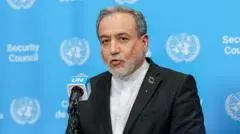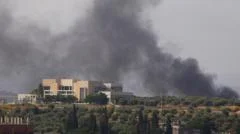
The sound of explosions echoed across southern Lebanon early Tuesday as Israel launched airstrikes, according to the country’s state-run National News Agency. The strikes come at a moment of high diplomatic drama, with Iran’s foreign minister claiming a deal with the United States to end the fighting is “close.” For residents on both sides of the border, the news brings a mix of fear and fragile hope.
What We Know About the Airstrikes on Lebanon
Lebanon’s National News Agency reported that Israeli warplanes carried out airstrikes and artillery shelling near several towns in the south. The reports did not specify targets or casualties, but the area has been a flashpoint in recent months. Israel has not officially commented on the strikes, but the operation appears to be part of a broader military campaign against Hezbollah positions.
Why This Escalation Matters for the Region
The airstrikes threaten to unravel any progress toward a ceasefire. For ordinary Lebanese, the violence disrupts daily life, shuts down businesses, and forces families to flee. For Israelis, it raises the specter of a wider war. The timing is particularly sensitive as Iran signals a potential diplomatic breakthrough with the US.
How the Conflict Reached This Point
Tensions between Israel and Hezbollah have simmered for months, with cross-border fire becoming more frequent. The current escalation follows a period of relative calm after a US-brokered ten-day cessation of hostilities in April 2026. That truce, aimed at enabling peace negotiations, appears to have collapsed. Iran’s involvement has added a new layer of complexity, with Tehran backing Hezbollah while simultaneously engaging in talks with Washington.
The Human Toll of the Strikes
In southern Lebanon, villages near the border have emptied as residents seek shelter. Schools and hospitals are on high alert. In northern Israel, air raid sirens have become a routine sound. The psychological toll is immense — children grow up knowing the sound of explosions, and families live in constant uncertainty. The strikes also disrupt agriculture and trade, hitting local economies hard.
Iran’s Claim of a Deal With the US
Iran’s foreign minister, Abbas Araghchi, stated that a deal with the US to end the fighting is “close,” according to Iranian media. The claim has not been independently verified, and US officials have not confirmed any imminent agreement. The statement appears aimed at signaling Iran’s willingness to de-escalate, even as its ally Hezbollah faces Israeli fire. Critics argue that the timing is a diplomatic maneuver to pressure Israel.
What the Escalation Means for Diplomacy
The airstrikes complicate the US-Iran talks. If Iran cannot restrain Hezbollah, its leverage in negotiations weakens. Conversely, if the US cannot restrain Israel, its credibility as a mediator suffers. The situation creates a paradox: military escalation and diplomatic progress are happening simultaneously, each influencing the other. Analysts believe that a broader regional war remains unlikely, but the risk of miscalculation is high.
Confirmed Facts vs What Remains Unclear
Confirmed: Israel carried out airstrikes on Lebanon, as reported by state media. Iran’s foreign minister claimed a deal with the US is near. Unclear: The exact targets and casualties of the strikes. Whether the US-Iran deal is real or a negotiating tactic. Israel’s official response to the claims. The status of any ceasefire negotiations.
Risks and a Balanced View
The situation carries significant risks. The airstrikes could provoke Hezbollah into a major retaliation, drawing Israel into a prolonged conflict. Iran’s claim of a deal may be a bluff to buy time or gain leverage. Critics of the US approach argue that Washington has failed to rein in either side. Supporters say the diplomatic track remains the only viable path to peace. The lack of independent verification on both the strikes and the deal underscores the fog of war.
The Wider Pattern of Regional Conflict
This escalation fits a broader pattern of proxy wars and diplomatic brinkmanship in the Middle East. Iran uses Hezbollah as a lever against Israel, while Israel relies on US support to counter Iranian influence. The current cycle of violence — strike, retaliation, negotiation — has repeated for decades. What’s different now is the direct US-Iran dialogue, which could either break the cycle or deepen the crisis.
What Should Affected People Do Now
For civilians in southern Lebanon and northern Israel, safety is the priority. Follow local authorities’ instructions, stay near shelters, and avoid border areas. For those outside the conflict zone, stay informed through reliable news sources. Investors should monitor oil prices and regional markets, which may react to the escalation. Diplomats and policymakers should push for immediate de-escalation and verified ceasefire terms.
What Could Happen Next
The immediate future depends on Hezbollah’s response. If the group retaliates heavily, Israel may expand its operations. If Iran’s deal with the US materializes, it could lead to a broader ceasefire. The most likely scenario is a period of heightened tension followed by back-channel negotiations. A full-scale war remains unlikely but not impossible. The coming days will be critical.
Our Take
This story is a stark reminder that military action and diplomacy often coexist in the Middle East. The airstrikes show that Israel is willing to use force to degrade Hezbollah’s capabilities, even as Iran signals a willingness to talk. The real question is whether the US can bridge the gap between its ally Israel and its negotiating partner Iran. For now, the people on the ground pay the price for a conflict that has no easy solution. The claim of a deal offers a glimmer of hope, but it must be backed by verified action.
Frequently Asked Questions
Why did Israel carry out airstrikes on Lebanon?
Israel likely targeted Hezbollah positions in southern Lebanon as part of its ongoing military campaign to prevent cross-border attacks. The strikes were reported by Lebanon’s state media.
Is Iran’s claim of a deal with the US credible?
Iran’s foreign minister stated a deal is close, but no independent verification or US confirmation exists. It could be a genuine diplomatic effort or a negotiating tactic.
What does this mean for civilians in the region?
Civilians face immediate danger from airstrikes and potential retaliation. Many have fled border areas. The situation disrupts daily life, education, and economic activity.
Could this lead to a wider war?
A full-scale war is unlikely but possible if Hezbollah retaliates heavily. The risk of miscalculation is high, but diplomatic channels remain open.