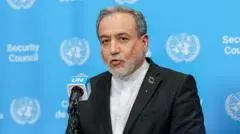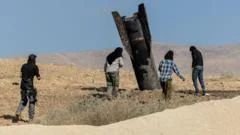
The first direct exchange of fire between Iran and Israel since the ceasefire has ended — for now. Iran launched about 30 missiles at Israel after an Israeli strike in Lebanon, and Israel responded with two waves of air strikes in Iran. But on Monday, Iran signaled it had halted its attacks, and both sides appear to be pulling back after President Trump intervened, calling for an immediate end to the strikes.
What happened in the Iran-Israel exchange of fire
Iran fired approximately 30 missiles at Israel following an Israeli airstrike in Lebanon. Israel then carried out two waves of air strikes inside Iran. The attacks mark the first time the two countries have directly exchanged fire since the truce was established.
Why this exchange matters for the region
The exchange threatens to drag the Middle East back into full-scale war. The ceasefire had held for months, but this direct confrontation between Iran and Israel — rather than through proxies — represents a dangerous escalation. For ordinary people in the region, the fear of a broader conflict is now very real.
Timeline of the attacks and the truce
The ceasefire was established after months of conflict involving Israel, Hamas, and Hezbollah. The truce had largely held until the Israeli strike in Lebanon triggered Iran's missile response. Israel's subsequent air strikes in Iran marked the first direct Israeli attacks on Iranian soil since the truce.
Who is affected by the Iran-Israel escalation
Civilians in Israel, Iran, and Lebanon are directly affected. In Israel, missile warnings sent people scrambling for shelters. In Iran, Israeli air strikes caused damage and casualties. In Lebanon, the initial Israeli strike reignited fears of a return to full-scale war. The global community is also watching closely, as any wider conflict could disrupt oil markets and regional stability.
Trump's role in the ceasefire call
President Trump intervened directly, calling for an immediate ceasefire and telling both sides to "stop shooting." His intervention appears to have been a key factor in Iran's decision to halt its attacks and Israel's willingness to pull back. The White House has not commented further on the details of the call.
Analysis: What this exchange means for the ceasefire
The exchange of fire has severely tested the ceasefire. While both sides have now pulled back, the fact that they directly attacked each other's territory marks a significant shift. The ceasefire was already fragile; this exchange may have fundamentally altered the dynamics. The key question is whether this was a one-off retaliation or the beginning of a new cycle of direct confrontation.
Confirmed facts vs what remains unclear
Confirmed: Iran launched about 30 missiles at Israel. Israel carried out two waves of air strikes in Iran. Iran has signaled it has halted its attacks. Trump called for an immediate ceasefire. Unclear: The exact number of casualties on both sides. The full extent of damage from Israeli strikes in Iran. Whether either side plans further retaliation. The precise terms of Trump's intervention.
Risks and balanced view of the situation
The immediate risk is that either side resumes attacks, triggering a wider war. Critics of the ceasefire argue it was always fragile and that this exchange proves direct confrontation is inevitable. Supporters of the truce say the fact that both sides pulled back shows the ceasefire still has value. The situation remains highly volatile, and any miscalculation could lead to a broader regional conflict.
Wider pattern of Iran-Israel tensions
This exchange is part of a long history of shadow war between Iran and Israel, including cyberattacks, proxy conflicts, and covert operations. The shift to direct military strikes represents a dangerous new phase. The involvement of the US, through Trump's intervention, shows how the conflict has become a central issue in American foreign policy.
What people in the region should do now
For civilians in Israel, Iran, and Lebanon, staying informed through official channels is critical. Follow updates from local authorities and international news agencies. Avoid spreading unverified information. Those in border areas should be especially cautious. For the global community, diplomatic efforts to reinforce the ceasefire are urgently needed.
Future outlook for the Iran-Israel truce
The immediate future depends on whether both sides honor the halt in attacks. If the ceasefire holds, it could be strengthened through renewed diplomacy. If either side resumes strikes, the region could quickly spiral into a full-scale war. The role of the US and international mediators will be crucial in the coming days.
Our Take
This exchange is a stark reminder that the ceasefire was never a permanent solution. The underlying tensions between Iran and Israel remain unresolved. While the pullback is a positive sign, the fact that both sides were willing to directly attack each other's territory is deeply concerning. The international community must use this moment to push for a more durable framework for de-escalation, or risk a much larger conflict.
Frequently Asked Questions
Why did Iran launch missiles at Israel?
Iran launched about 30 missiles at Israel in retaliation for an Israeli airstrike in Lebanon. Iran said the attack was a response to what it called Israeli aggression.
Did Israel strike back at Iran?
Yes, Israel carried out two waves of air strikes inside Iran in response to the Iranian missile attack. This was the first direct Israeli military action on Iranian soil since the truce.
Has the ceasefire between Iran and Israel collapsed?
Not yet. Both sides have pulled back after the exchange, and Iran has signaled it has halted its attacks. However, the ceasefire is severely tested and remains fragile.
What role did President Trump play in de-escalation?
President Trump called for an immediate ceasefire and told both sides to "stop shooting." His intervention is widely seen as a key factor in Iran's decision to halt its attacks and Israel's willingness to pull back.