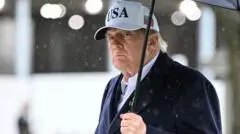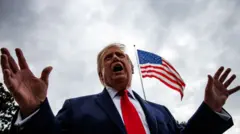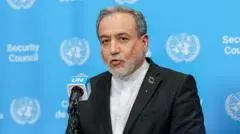
In a striking shift in rhetoric, Iran has declared that a deal to end fighting with the United States has ‘never been closer,’ aligning with President Donald Trump’s own optimistic assessment on Thursday. The statement, reported by both Iranian and Pakistani officials, signals a potential breakthrough after months of escalating tensions and military posturing in the Middle East.
What Iran Said and Why It Matters
Tehran’s announcement marks a rare moment of alignment with Washington. “A deal to end hostilities has never been closer,” an Iranian official told reporters, echoing Trump’s earlier comments. The convergence suggests behind-the-scenes negotiations may have made significant progress, though no formal agreement has been reached. For a region on edge, this could be a turning point.
Why This Deal Could Reshape the Region
An agreement would not only reduce the risk of direct military conflict but also potentially ease pressure on global oil supplies, particularly through the Strait of Hormuz. For ordinary Iranians, it could mean relief from crippling sanctions. For the US, it would fulfill a key foreign policy goal of de-escalation without a costly war. The stakes are immense for both sides.
From Hostility to Hope: The Timeline of Talks
Months of indirect talks, mediated by Oman and Pakistan, have gradually built momentum. Trump’s initial threats of military action gave way to diplomatic overtures earlier this year. Iran’s nuclear program and regional proxies remained sticking points, but recent signals suggest both sides are willing to compromise. The current optimism is the highest since talks began.
Who Stands to Gain or Lose
Iranian citizens, already burdened by economic hardship, would benefit most from sanctions relief. Gulf states, wary of regional instability, would welcome a deal. However, Israel and some US allies remain skeptical, fearing Iran could use any breathing room to advance its nuclear ambitions. The human impact is profound: families separated by sanctions, businesses crippled, and a generation facing uncertainty.
What Officials Are Saying — and Not Saying
President Trump’s Thursday statement that a deal was “very close” was met with cautious optimism in Tehran. Pakistan, a key mediator, confirmed progress. “Both sides are serious,” a Pakistani diplomat said. Yet no official has provided specifics on terms, timelines, or verification mechanisms. The silence on details leaves room for skepticism.
What’s Driving This Sudden Optimism?
Analysts point to several factors: Trump’s desire for a foreign policy win ahead of the 2026 midterms, Iran’s economic desperation, and Pakistan’s effective mediation. The shift may also reflect a mutual recognition that a prolonged conflict benefits neither side. But underlying mistrust remains, and any deal will require careful verification.
Confirmed Facts vs What Remains Unclear
Confirmed: Iran and Pakistan say a deal is closer than ever. Trump has echoed this. Unclear: The exact terms, whether the nuclear program is included, and the role of regional proxies. Speculation: Some reports suggest a phased agreement, but this is unconfirmed. We label this as speculation until official details emerge.
Iran’s Leverage: Why Tehran Matters in These Talks
Iran’s strategic position — controlling the Strait of Hormuz, its influence over proxies in Yemen, Syria, and Lebanon, and its nuclear capabilities — gives it significant bargaining power. Its network of alliances and ability to disrupt global oil flows make it a key player. Any deal must account for these realities.
Risks and Balanced View
Critics warn that a deal could be a temporary pause, not a lasting peace. Israel has expressed concern that Iran might use the breathing room to accelerate its nuclear program. US hawks argue that any agreement must include strict verification. On the other hand, supporters say the alternative — continued escalation — is far worse. The balance between optimism and caution is delicate.
A Wider Shift in Middle East Diplomacy
This potential deal fits a broader pattern: the US and Iran moving from confrontation to negotiation, mirroring earlier nuclear talks. It also reflects a trend of regional powers like Pakistan and Oman playing mediator roles. If successful, it could set a precedent for resolving other conflicts in the region.
What Should You Watch For Next
For investors: Monitor oil prices and shipping routes. For citizens: Watch for sanctions relief announcements. For policymakers: Prepare for a potential shift in US-Iran relations. Stay informed through official statements from the White House and Iranian Foreign Ministry. Avoid relying on unverified social media claims.
What Could Happen Next
If talks succeed, a phased deal could be announced within weeks, starting with a ceasefire and followed by sanctions relief. If they fail, tensions could spike again. The next few days are critical. Analysts expect either a breakthrough or a breakdown, with little middle ground.
Our Take
This is a rare moment of alignment between two longtime adversaries. While optimism is justified, history warns against premature celebration. The real test will be in the details — verification, enforcement, and trust. For now, the door is open. Whether both sides walk through it remains to be seen. This story matters because it could redefine peace in the Middle East.
Frequently Asked Questions
Is a US-Iran deal really close?
Yes, both Iran and the US have indicated a deal is closer than ever, but no formal agreement has been signed. Talks are ongoing.
What would a deal include?
Details are unclear, but it likely involves a ceasefire, sanctions relief, and limits on Iran’s nuclear program. Verification mechanisms are expected.
How would this affect oil prices?
A deal could reduce tensions in the Strait of Hormuz, potentially lowering oil prices by easing supply disruption fears.
Why is Pakistan involved in the talks?
Pakistan has acted as a mediator, leveraging its diplomatic ties with both Iran and the US to facilitate negotiations.