The fragile calm between Iran and Israel has held—for now. After a brief but alarming exchange of missile and air strikes, both sides have announced a pause in military action. But the truce comes with a stark warning: any breach will be met with retaliation.
What Happened: A Pause, Not a Peace
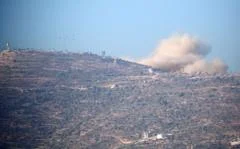
Israel’s Prime Minister confirmed that his country is holding fire “at the moment,” following Iran’s armed forces declaring they had stopped military operations. The pause follows the first direct military confrontation between the two nations since April, when a similar ceasefire was brokered. The current de-escalation is conditional, with both sides publicly stating they reserve the right to retaliate if the ceasefire is violated.
Why This Pause Matters for the Region
The immediate risk of a wider regional war has subsided, but the underlying tensions remain explosive. For ordinary citizens in Israel, Iran, and neighboring countries, the pause offers a temporary reprieve from the fear of escalation. However, the threat of retaliation means that any miscalculation or breach could reignite hostilities, potentially drawing in other regional powers like Hezbollah, Hamas, or the Houthis. The economic impact is also significant: oil prices and regional markets have been volatile, and a sustained ceasefire could stabilize them—at least for now.
How We Got Here: A Timeline of Escalation
The recent exchange of strikes began after months of rising tensions, including alleged Israeli attacks on Iranian nuclear facilities and Iranian-backed militia strikes on Israeli positions. In April, a similar ceasefire was brokered after a direct exchange of fire, but it collapsed when both sides accused each other of violations. The current pause is the second attempt at de-escalation in 2024, but the pattern of strike-pause-retaliation has become a dangerous cycle.
Who Is Affected by This Fragile Truce
Millions of people in Israel, Iran, and across the Middle East are directly affected. In Israel, citizens have been living under the threat of missile attacks, with schools and businesses disrupted. In Iran, the government’s military posture has strained the economy and heightened public anxiety. Neighboring countries like Jordan, Iraq, and Saudi Arabia are also on edge, fearing that any escalation could spill over their borders. For the global community, the pause offers a diplomatic window to push for a more lasting solution.
Official Responses: Warnings from Both Sides
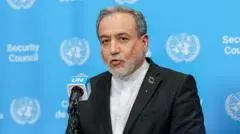
Israel’s Prime Minister stated that the country is holding fire “at the moment,” but emphasized that Israel retains the right to defend itself. Iran’s armed forces announced they had stopped military action, but warned that any Israeli aggression would be met with a “decisive response.” Both statements reflect a mutual desire to avoid all-out war, but also a deep mistrust that makes the ceasefire fragile. International mediators, including the US and UN, have called for restraint but have not yet announced a formal ceasefire agreement.
What This Pause Really Means
The pause is not a diplomatic breakthrough—it is a tactical halt. Both sides are likely using this time to reassess their military positions, gather intelligence, and prepare for potential future strikes. The rhetoric of retaliation serves multiple purposes: it deters the other side from violating the ceasefire, it reassures domestic audiences that the government is strong, and it keeps the threat of escalation alive as a bargaining chip. The real question is whether this pause can be converted into a sustainable de-escalation or whether it is merely a lull before the next storm.
Confirmed Facts vs What Remains Unclear
Confirmed: Israel and Iran have paused military strikes. Both sides have publicly warned of retaliation if the ceasefire is breached. The pause follows a direct exchange of missile and air strikes. Unclear: Whether any formal ceasefire agreement exists or if this is an informal understanding. The specific terms of the pause—such as whether it includes a halt to proxy attacks—remain unconfirmed. The role of international mediators in brokering this pause is also unclear.
Risks and Balanced View: Why the Ceasefire Could Collapse
The biggest risk is that the ceasefire is built on mutual threat rather than mutual trust. Any incident—a stray missile, a cyberattack, a proxy strike—could be interpreted as a breach and trigger retaliation. Critics argue that the pause is merely a tactical maneuver, not a genuine step toward peace. Supporters point out that both sides have shown restraint, which could create space for diplomacy. The balanced view is that the pause is a positive but fragile development, and its durability depends on both sides’ willingness to avoid provocations.
Wider Trend: The Pattern of Strike-Pause-Retaliation in the Middle East
This is not an isolated incident. The Iran-Israel conflict has followed a pattern of covert operations, proxy wars, and occasional direct confrontations, followed by brief pauses. The April 2024 ceasefire followed a similar script. This cycle reflects a deeper strategic reality: both sides want to avoid a full-scale war, but neither is willing to back down. The international community has struggled to break this cycle, as each pause is seen as a temporary fix rather than a lasting solution.
Practical Guidance: What Should Citizens and Investors Do Now
For citizens in Israel and Iran: Stay informed through official channels and avoid spreading unverified information. Have emergency plans in place in case the ceasefire collapses. For investors: Monitor oil prices and regional markets closely, as any breach could cause volatility. For the global community: Support diplomatic efforts to formalize the ceasefire and address underlying grievances. For journalists: Verify all claims of violations before reporting, as misinformation could escalate tensions.
Future Outlook: What Could Happen Next
The most likely scenario is that the pause holds for a few weeks, but tensions remain high. A breach—whether accidental or deliberate—could trigger a new round of strikes. Alternatively, international mediators could use this window to push for a more formal ceasefire agreement. The least likely but most dangerous scenario is a full-scale war, which would have catastrophic consequences for the region. The next few days will be critical in determining which path the conflict takes.
Our Take
This pause is a welcome but fragile development. It shows that both Iran and Israel recognize the dangers of all-out war, but it also highlights the deep mistrust that makes lasting peace elusive. The real test will come in the days and weeks ahead, as both sides decide whether to use this pause for diplomacy or for preparation. For now, the world can breathe a little easier—but not too deeply.
Frequently Asked Questions
Have Iran and Israel agreed to a formal ceasefire?
No formal ceasefire agreement has been announced. Both sides have paused military strikes but warn of retaliation if the ceasefire is breached, suggesting an informal understanding rather than a binding deal.
What triggered the latest exchange of strikes between Iran and Israel?
The recent strikes followed months of rising tensions, including alleged Israeli attacks on Iranian nuclear facilities and Iranian-backed militia strikes on Israeli positions. The direct exchange of fire was the first since April 2024.
What does “retaliation if ceasefire breached” mean for civilians?
It means that any violation—such as a missile strike, cyberattack, or proxy attack—could trigger a new cycle of strikes, putting civilians in both countries at risk. Citizens should remain vigilant and prepared for potential escalation.
How long is the current pause expected to last?
There is no set timeline. The pause could last days, weeks, or longer, depending on whether both sides adhere to the informal understanding. Any breach could end the pause immediately.