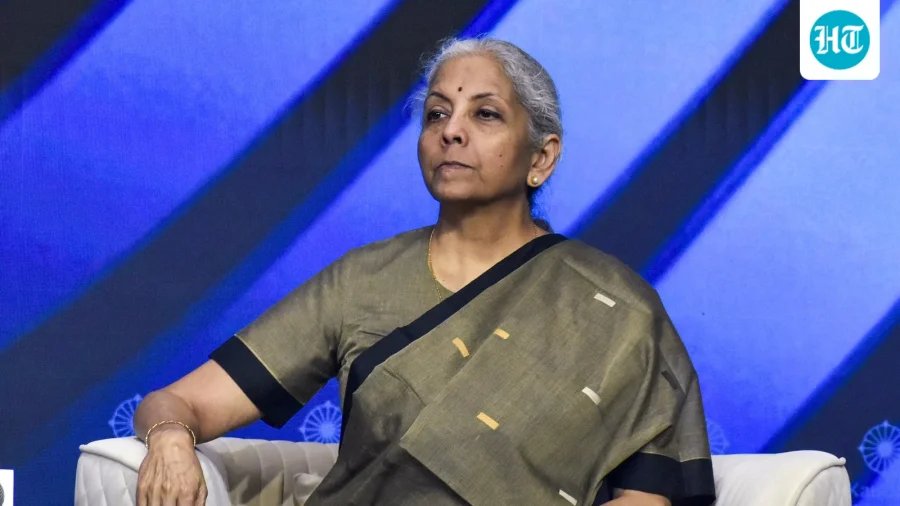
India's long-running trade negotiations with the United States have hit a wall. Finance Minister Nirmala Sitharaman said the talks have reached a "plateau," and that pushing for more concessions from either side has become "very difficult."
Her remarks signal that the world's two largest democracies — and increasingly important economic partners — are struggling to close the remaining gaps in a deal that has been years in the making.
Sitharaman's Admission: A Deal Stuck at the Finish Line
Speaking on the state of negotiations, Sitharaman was direct about where things stand. The talks, she said, have plateaued — a word that suggests both sides have extracted what they reasonably can and are now staring at the hardest part of any trade deal: the final concessions.
"Give or take beyond this very difficult," she said, according to the original report. It is a candid acknowledgment from a senior minister that the easy wins are done.
Why This Plateau Matters for Both Economies
India and the US have spent years trying to expand market access, resolve tariff disputes, and build a more predictable trade framework. A plateau at this stage means those efforts could stall — or at least slow considerably.
For Indian exporters, particularly in textiles, pharmaceuticals, and agriculture, the uncertainty matters. For American businesses eyeing India's consumer market, the same holds true. A deal that doesn't close keeps costs and compliance burdens in place.
How the Talks Reached This Point
The negotiations have moved through multiple rounds over successive governments, with both sides repeatedly expressing optimism about a breakthrough. Tariff disagreements, market access rules, and sector-specific protections have been persistent sticking points.
What Sitharaman's comment reveals is that the remaining differences are no longer technical — they are political and structural, the kind that resist easy compromise.
Who Feels the Impact First
Small and mid-sized exporters on both sides are the most exposed. They lack the legal and lobbying resources of large corporations to navigate tariff uncertainty. Farmers and agricultural producers in India, whose livelihoods depend on export access, also have a direct stake.
For ordinary consumers, the impact is indirect but real — unresolved trade friction can keep prices higher on imported goods and limit choice.
Sitharaman Leaves the Door Open
Despite the plateau comment, Sitharaman did not declare the talks dead. She said that if there are "rooms to operate from," both sides would likely use them.
That nuance matters. It suggests the minister sees the current state as a pause, not a collapse — and that India remains willing to engage if the US shows similar flexibility.
What's Confirmed and What Isn't
Confirmed: Sitharaman described the talks as having reached a plateau and called further give-and-take "very difficult." She also indicated possible room for movement.
Unclear: Which specific issues are blocking progress, whether a formal pause has been agreed, and what timeline — if any — both sides are working with. No joint statement or US response has been reported.
Risks and the Balanced View
A plateau is not a failure, but it carries risks. Prolonged uncertainty can push businesses to look elsewhere for supply chains and partnerships. It can also embolden domestic protectionist voices on both sides.
On the other hand, rushing a deal to break the plateau could produce an agreement that neither side can fully implement — a worse outcome than patience.
A Wider Pattern in Global Trade
India and the US are not alone. Trade negotiations worldwide have slowed as countries prioritize domestic industry, national security, and supply-chain resilience over pure market opening. The plateau Sitharaman describes fits a broader global trend.
What Readers Should Take Away
For exporters and businesses with India-US exposure, this is a signal to plan for continuity rather than a quick deal. For policymakers and analysts, it is a reminder that the final mile of trade negotiations is often the longest.
For the general public, the takeaway is simpler: a major trade deal that once seemed close is now on hold, and the reasons are structural, not personal.
What Could Happen Next
Both sides could return to the table with fresh mandates, or the talks could remain frozen until political conditions shift. Sitharaman's phrasing leaves room for either outcome. No new round of negotiations has been announced.
Our Take
Sitharaman's honesty about the plateau is itself significant. In trade diplomacy, acknowledging a stalemate publicly is often a precursor to either a reset or a quiet, prolonged pause. The minister's caveat about "rooms to operate" suggests India is not walking away — but it also signals that the ball is now in a shared court, and neither side has an easy move left.
Frequently Asked Questions
What did Nirmala Sitharaman say about India-US trade talks?
She said the talks have reached a plateau and that further give-and-take beyond this point is "very difficult."
Does this mean the India-US trade deal is cancelled?
No. Sitharaman indicated both sides could still act if there is room to operate. The talks are stalled, not formally ended.
What are the main sticking points in India-US trade negotiations?
Tariffs, market access, and sector-specific protections have been persistent issues, though the specific blockers at this stage have not been detailed publicly.
How does this affect Indian exporters?
It creates continued uncertainty. Exporters in textiles, pharmaceuticals, and agriculture may face ongoing tariff and compliance burdens until a deal is reached.
[NEWS_SCHEMA] {"@context":"https://schema.org","@type":"NewsArticle","headline":"India-US Trade Talks Hit a Wall — Sitharaman Says Further Give-and-Take Is Now 'Very Difficult'","description":"Nirmala Sitharaman says India-US trade talks have hit a plateau, calling further give-and-take 'very difficult' while leaving room for both sides to negotiate.","image":"","datePublished":"","dateModified":"","author":{"@type":"Person","name":"","url":"","sameAs":[]},"publisher":{"@type":"Organization","name":"","logo":{"@type":"ImageObject","url":""}},"mainEntityOfPage":{"@type":"WebPage","@id":""},"articleSection":"Business","keywords":"India-US trade talks, Nirmala Sitharaman, India US trade deal, tariff negotiations, bilateral trade"} [SOURCES] Original report based on Nirmala Sitharaman's remarks on India-US trade talks — as provided in the source headline and story summary.