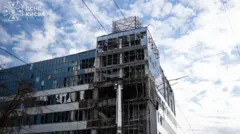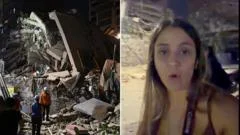
“I thought I was going to die,” said Maria Gonzalez, a Caracas resident, her voice trembling as she described the moment the ground shook violently beneath her feet. Across the Venezuelan capital, thousands share her terror after a powerful earthquake flattened buildings and killed at least 164 people, with rescue teams racing against time to find survivors buried under the rubble.
Panic in the capital: Survivors recount the moment
Witnesses described scenes of chaos as the earthquake struck without warning. “Everything started shaking. People were screaming, running. I saw a building just collapse in front of me,” said Juan Perez, a shopkeeper in central Caracas. Social media footage showed dust clouds rising over the city as residents fled into the streets, many in tears.
Why this earthquake hit Venezuela so hard
Venezuela lies in a seismically active region, but many buildings in Caracas are old or poorly constructed, making them vulnerable to even moderate tremors. The earthquake’s shallow depth and proximity to densely populated areas amplified its destructive force, experts said. For millions already struggling with economic hardship, this disaster adds a new layer of trauma.
Timeline of the disaster: From tremor to tragedy
The earthquake struck in the late afternoon, catching many people at home or in offices. Within minutes, reports of collapsed buildings emerged from several neighborhoods. By evening, the official death toll had climbed to 164, with hundreds more injured. Rescue operations continued through the night, with volunteers joining emergency crews to search for survivors.
Human impact: Families torn apart, communities in shock
For families like the Rodriguezes, the earthquake has been devastating. “My brother was in a building that came down. We haven’t heard from him since,” said Sofia Rodriguez, waiting outside a collapsed structure. Across the city, makeshift shelters have been set up for those who lost their homes. The emotional toll is immense, with many survivors struggling to process the sudden loss.
Official response and rescue efforts underway
Venezuelan authorities have deployed military and emergency teams to affected areas. “We are doing everything possible to save lives,” said Interior Minister Carmen Meléndez in a televised address. International aid offers have begun to arrive, though logistical challenges and damaged infrastructure are slowing relief efforts. Rescue dogs and listening devices are being used to locate trapped individuals.
Why buildings collapsed: Structural vulnerabilities exposed
Engineers point to a combination of factors: aging infrastructure, lack of maintenance, and construction in earthquake-prone zones without proper reinforcement. “Many buildings in Caracas were not designed to withstand a quake of this magnitude,” said structural engineer Dr. Luis Herrera. The disaster has reignited debates about building codes and urban planning in the region.
Confirmed facts vs what remains unclear
Confirmed: At least 164 dead, hundreds injured, multiple buildings collapsed in Caracas. Unclear: The exact number of people still trapped, the full extent of damage in outlying areas, and whether aftershocks pose additional risks. Officials have warned that the death toll may rise as rescue teams reach more sites.
Risks and balanced view: Aftershocks and ongoing danger
Seismologists caution that aftershocks are likely in the coming days, which could further destabilize damaged structures. Residents are advised to avoid returning to unsafe buildings. Critics have also questioned the government’s preparedness and response speed, though officials maintain they are acting swiftly given the scale of the disaster.
Wider pattern: Earthquakes in vulnerable cities
This earthquake is part of a broader pattern of seismic events striking densely populated, poorly prepared urban centers. From Haiti to Turkey, similar tragedies have highlighted the deadly combination of natural forces and human vulnerability. Venezuela’s economic crisis has only worsened its ability to maintain infrastructure and respond to emergencies.
Practical guidance for affected residents
If you are in the affected area: Stay away from damaged buildings, follow official evacuation orders, and keep emergency supplies ready. For those wanting to help, donate to verified relief organizations rather than unverified fundraisers. Check on elderly or disabled neighbors who may need assistance.
Future outlook: What comes next for Venezuela
The immediate priority is search and rescue, but the long-term recovery will be daunting. Rebuilding homes, restoring services, and providing psychological support to survivors will take months, if not years. International aid and political stability will be critical to the nation’s ability to recover from this tragedy.
Our Take
This earthquake is not just a natural disaster—it is a stark reminder of how economic fragility and poor urban planning can turn a tremor into a catastrophe. The stories of survivors like Maria Gonzalez are a testament to human resilience, but they also demand accountability. As Venezuela mourns, the world must ask: how many more tragedies will it take before vulnerable cities are made safer?
Frequently Asked Questions
What caused the Venezuela earthquake?
The earthquake was caused by tectonic plate movement along a fault line near Caracas. Its shallow depth and proximity to the city increased its destructive impact.
How many people died in the Venezuela earthquake?
At least 164 people have been confirmed dead, with the number expected to rise as rescue operations continue.
Are there still people trapped under rubble in Caracas?
Yes, rescue teams are actively searching for survivors trapped in collapsed buildings. Voices have been heard from under the debris in some areas.
What should I do if I am in an earthquake zone?
Drop, cover, and hold on during shaking. Afterward, check for injuries, avoid damaged buildings, and follow official instructions. Prepare an emergency kit with water, food, and first aid supplies.