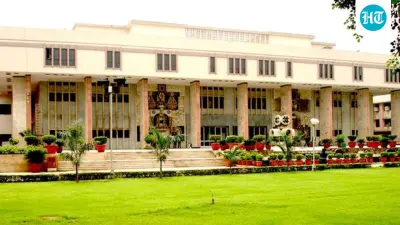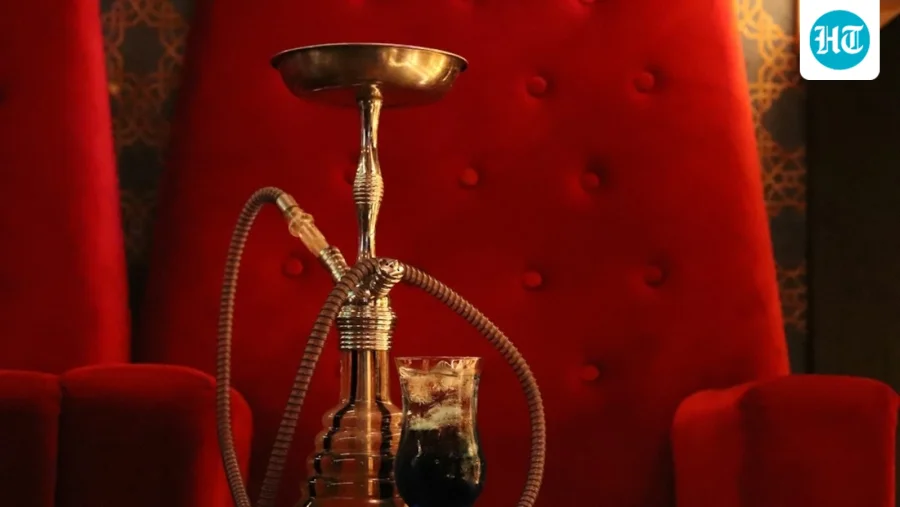
Hookah bars operating inside restaurants across Uttar Pradesh have been declared illegal by the Allahabad High Court, in a ruling that draws a sharp line between designated smoking zones and commercial hookah service. The court held that hookah smoking is not a simple act of smoking — it involves a full commercial operation, including preparation and supply of the hookah, flavoured tobacco, coal, and other materials directly at the customer's table.
For restaurant owners who added hookah to their menus as a revenue booster, the order signals an immediate operational reset. For diners who frequented these establishments, it marks the end of an experience that had quietly become a staple of UP's urban nightlife.
Why the Court Drew a Line Between Smoking Zones and Hookah Service
The court's reasoning rests on a simple distinction: a smoking zone is meant for individuals to smoke, not for establishments to provide a commercial hookah service. When a restaurant prepares and serves hookah at the table — with flavoured tobacco, coal, and accessories — it crosses into a regulated commercial activity that falls outside the scope of smoking area permissions.
This interpretation directly challenges the common industry practice of treating hookah as an add-on service within designated smoking areas. The ruling makes clear that such zones cannot be repurposed for hookah bar operations.
What This Means for Restaurants and Their Revenue Models
Hookah service has been a significant margin driver for many restaurants and cafes in cities like Lucknow, Noida, Ghaziabad, and Kanpur. It extended dwell time, increased average order value, and attracted a younger demographic, particularly in the evening hours.
With the court's order, establishments that built their evening business around hookah now face a dual challenge: compliance and revenue replacement. The ruling does not merely restrict a product — it disrupts a business model that many eateries had come to depend on.
How Hookah Bars Became a Grey Area in UP's Restaurant Scene
For years, hookah service in restaurants operated in a regulatory grey zone. Establishments argued that if they had a designated smoking area, serving hookah within it was permissible. Enforcement varied across districts, with some authorities cracking down while others looked the other way.
The court's ruling brings clarity — and with it, stricter compliance expectations. It effectively closes the interpretive gap that allowed hookah bars to function under the umbrella of smoking zones.
Who Is Affected — Owners, Employees, and Customers
The immediate impact falls on restaurant owners and operators who must now either shut down hookah service or risk penalties. Employees hired specifically for hookah preparation and service face an uncertain future. Customers who treated hookah as part of their dining experience will need to look elsewhere — or give it up entirely.
For many small and mid-sized establishments, hookah was not just an add-on but a differentiator. Losing it could mean losing a loyal customer base that came specifically for the hookah experience.
What the Court Said — and What It Did Not
The court's core observation is specific: hookah smoking requires commercial service, preparation, and supply of the hookah, flavour, coal, and other materials at the table. This, the court held, is not permitted within the framework of smoking zones.
What remains unclear is the exact enforcement mechanism and timeline. The ruling does not specify penalties or a compliance deadline. It also does not address whether standalone hookah lounges — operating outside restaurant premises — fall under the same prohibition. Those questions will likely require further regulatory or judicial clarification.
Confirmed Facts vs What Remains Unclear
Confirmed: The Allahabad High Court has ruled that hookah service in UP restaurants is illegal. The court's reasoning is based on the commercial nature of hookah preparation and supply at the table, which falls outside smoking zone permissions.
Unclear: The specific penalties for non-compliance, the timeline for enforcement, and whether the ruling extends to standalone hookah bars or only restaurants with smoking zones. State government guidance on implementation is awaited.
Risks and Balanced View — What Critics and Supporters Are Saying
Supporters of the ruling argue it closes a loophole that allowed restaurants to profit from a practice with public health implications, particularly among young adults. They see it as a necessary step to enforce tobacco control norms more strictly.
Critics, including some restaurant owners, contend that the ruling adds to the compliance burden on an already struggling hospitality sector. They argue that hookah service, when confined to designated areas, was a matter of personal choice and business innovation — not a public nuisance.
Both perspectives carry weight. The court's order prioritises regulatory clarity over commercial convenience, but the economic impact on small businesses cannot be dismissed.
The Wider Pattern — Courts Tightening the Screws on Tobacco-Linked Businesses
This ruling is part of a broader trend in Indian courts scrutinising businesses that operate in the grey areas of tobacco regulation. From bans on smoking in public places to restrictions on advertising, the judicial approach has consistently leaned toward stricter interpretation of existing laws.
For the hospitality industry, the message is clear: regulatory grey zones are shrinking. Businesses that built models around ambiguous rules may find themselves exposed to sudden legal reversals.
What Restaurant Owners and Diners Should Do Now
Restaurant owners in UP should immediately review their hookah service operations and seek legal counsel on compliance. If hookah service is part of the business model, alternative revenue strategies may need to be explored urgently.
Diners who frequented hookah-serving restaurants should expect changes — either the service will be discontinued or establishments may pivot to other offerings. It is advisable to check with venues before planning an evening around hookah.
Future Outlook — What Could Happen Next
The state government may issue guidelines to help restaurants comply with the ruling. Enforcement could vary by district, with some administrations acting faster than others. It is also possible that affected businesses challenge the order or seek clarification on specific aspects.
What is certain is that the legal ground has shifted. Hookah service in UP restaurants can no longer operate under the assumption that a smoking zone makes it permissible.
Our Take
This ruling is less about hookah and more about regulatory honesty. For too long, hookah service in restaurants operated in a space where the law was interpreted loosely. The court has now drawn a clear boundary — and while it may hurt businesses in the short term, it removes the ambiguity that made enforcement inconsistent.
The real test will be in implementation. A ruling without clear enforcement guidelines risks becoming another layer of confusion. But for now, the message from the court is unambiguous: in Uttar Pradesh, a smoking zone is not a hookah bar.
Frequently Asked Questions
Is hookah service now completely banned in UP restaurants?
Yes, the Allahabad High Court has ruled that hookah service in UP restaurants is illegal. Establishments cannot offer hookah within smoking zones or anywhere on their premises.
Can restaurants still have smoking zones?
Yes, designated smoking zones are still permitted. However, these zones cannot be used for commercial hookah service, which involves preparation and supply of hookah, flavour, and coal at the table.
Does this ruling apply to standalone hookah bars in UP?
The ruling specifically addresses hookah service in restaurants. Whether standalone hookah lounges are covered remains unclear and may require further legal or regulatory clarification.
What should restaurant owners do if they currently offer hookah?
They should immediately stop hookah service and seek legal advice on compliance. Continuing the service could invite penalties once enforcement begins.