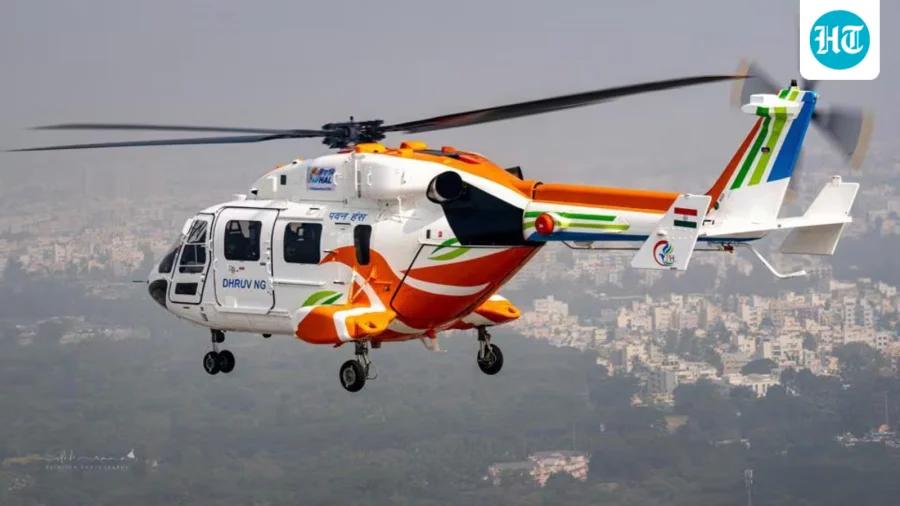
India's state governments may soon have a new option for their emergency fleets — and it comes from the country's own defence manufacturer. Hindustan Aeronautics Limited is pitching its Dhruv NG helicopter to states for civilian roles, a move that could reshape how India handles everything from flood rescues to medical airlifts.
From Battlefields to Flood Zones: HAL's Civilian Ambition
The Dhruv NG is an upgraded version of HAL's Advanced Light Helicopter, a platform that has served the Indian armed forces for years. Now, the company wants state governments to see it as a civilian workhorse — capable of disaster relief, medical evacuation, and regional transport.
It's a significant pivot. HAL has historically been a defence-first company, and its revenues reflect that. Selling to states means entering a different market with different buyers, budgets, and expectations.
Why This Pitch Matters Beyond HAL's Balance Sheet
India's states are chronically short of reliable aerial assets for emergencies. During floods, cyclones, and landslides, states often rely on military helicopters or private operators — arrangements that can be slow, expensive, or unavailable at short notice.
If states own or lease their own Dhruv NG fleet, response times could improve. But that depends on whether the helicopter proves reliable, affordable, and easy to maintain at the state level.
The ALH Legacy: Promise, Problems, and a New Start
The Advanced Light Helicopter programme has been one of India's most ambitious indigenous aviation projects. But it has also faced technical issues and safety concerns over the years — problems that HAL says the Dhruv NG has been designed to address.
The company has not disclosed specific technical changes in this pitch, but the framing is clear: this is a more mature, more reliable machine than its predecessor.
Who Benefits If States Say Yes
The most immediate beneficiaries would be citizens in disaster-prone regions. A state-owned helicopter fleet could mean faster evacuations, quicker medical transport, and better coordination during crises.
State police and administrative departments could also use the aircraft for surveillance, VIP movement, and inter-district connectivity in remote areas.
What HAL Is Saying — And What It Isn't
HAL has positioned the Dhruv NG as a solution to earlier concerns, but the company has not released detailed performance data or independent safety certifications specific to the civilian variant.
Officials have not confirmed which states are in talks, what the pricing structure looks like, or whether any memorandum of understanding has been signed.
Reading Between the Lines: A Strategic Bet on India's Aviation Future
India's civil aviation market is growing, and so is demand for helicopters in sectors like healthcare, tourism, and infrastructure. HAL wants a slice of that — and it wants to be the domestic champion.
But the civilian market is competitive. International players like Airbus and Bell have established supply chains, service networks, and customer trust. HAL will need to match that, not just on price but on after-sales support.
Confirmed Facts vs What Remains Unclear
Confirmed: HAL is pitching the Dhruv NG to states for civilian use. The helicopter is an upgraded ALH variant. The company says earlier technical issues have been addressed.
Unclear: Which states are interested. What the pricing will be. Whether any orders have been placed. How the civilian variant differs technically from the military version.
The Moat Question: Why HAL Matters Here
HAL's biggest advantage is that it is Indian. For state governments, buying from a domestic manufacturer means easier procurement, local maintenance support, and alignment with Make in India priorities.
That's a real moat — but it only works if the product performs. Reputation, once damaged, is hard to rebuild.
Risks and the Balanced View
The biggest risk is trust. The ALH programme's safety record has been questioned in the past, and state governments will need convincing that the Dhruv NG is a different story.
There's also the question of cost. States already stretched for funds may hesitate to invest in a new fleet when they can call on the Air Force or private operators during emergencies.
A Wider Pattern: India's Push for Indigenous Civil Aviation
This pitch fits a broader trend. From Tejas fighters to regional aircraft, India is trying to reduce dependence on foreign suppliers. HAL's move into the civilian space is part of that larger ambition.
If it works, it could open doors for other Indian manufacturers in sectors long dominated by global players.
What States Should Consider Before Signing Up
State governments evaluating the Dhruv NG should ask hard questions: What is the total cost of ownership? What maintenance infrastructure is required? How quickly can spare parts be sourced?
They should also assess whether a helicopter fleet is the best use of funds compared to other disaster-preparedness measures.
What Happens Next
HAL's pitch is at an early stage. The next step would be formal proposals, trials, and negotiations with individual states. If even a few states commit, it could validate HAL's civilian ambitions.
But if the response is lukewarm, the company may need to rethink its approach — or its pricing.
Our Take
HAL's Dhruv NG pitch is more than a sales effort. It's a test of whether India's defence champion can earn trust in a market where reliability matters as much as patriotism. The helicopter's success — or failure — will say a lot about the future of indigenous aviation.
Frequently Asked Questions
What is the Dhruv NG helicopter?
The Dhruv NG is an upgraded version of HAL's Advanced Light Helicopter (ALH), designed with improvements to address earlier technical and safety concerns. It is being pitched for both military and civilian use.
Why is HAL targeting state governments?
HAL wants to expand beyond defence contracts into India's growing civil aviation market. States need helicopters for disaster relief, medical evacuations, and regional transport — a demand HAL hopes to meet.
Have any states placed orders for the Dhruv NG?
No confirmed orders have been announced. The pitch is at an early stage, and discussions with states are reportedly ongoing.
What are the concerns around the Dhruv NG?
The ALH programme has faced safety and technical issues in the past. While HAL says the Dhruv NG addresses these, independent verification and civilian certification details remain unclear.