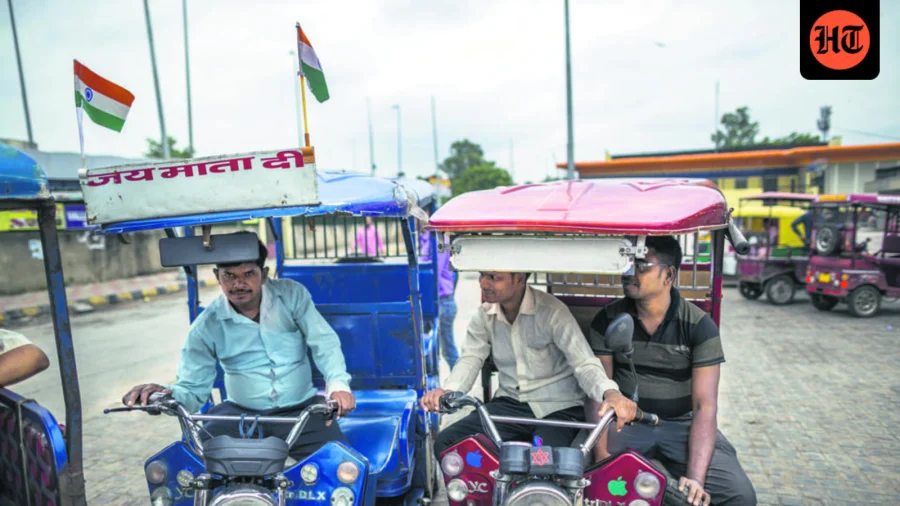
Imagine driving an e-rickshaw through Delhi's congested streets, your only source of income, when suddenly the vehicle shuts down remotely. Your battery management app, installed on your phone, has been used against you. This is not a hypothetical scenario — it's a real safety crisis that has forced the Indian government to take unprecedented action against two of the world's most powerful tech companies.
Why the government is targeting Apple and Google
The Ministry of Electronics and Information Technology (MeitY) has issued a formal directive to Apple and Google to remove seven mobile applications from their respective app stores. The apps, which include the widely reported BAT-BMS, were being misused to remotely disable e-rickshaws, leaving drivers stranded and vulnerable. The government's order is not merely a request — it carries a significant legal threat: continued hosting of these apps could strip Apple and Google of the legal immunity they currently enjoy as intermediaries under Indian law.
How e-rickshaw drivers became victims of app misuse
E-rickshaw drivers, many of whom are daily-wage earners, rely on battery management systems to monitor and control their vehicle's battery health. These apps, designed for legitimate use, have a remote shutdown feature. Reports emerged that some individuals were exploiting this feature to disable e-rickshaws from a distance, causing sudden stops in traffic, accidents, and financial losses for drivers who depend on uninterrupted service. For a driver earning ₹500-800 a day, a single forced shutdown can mean lost fares and repair costs.
The legal hammer: Intermediary immunity at stake
Under Section 79 of the Information Technology Act, 2000, intermediaries like Apple and Google are granted "safe harbour" protection — they are not liable for third-party content hosted on their platforms as long as they comply with takedown requests and do not actively participate in illegal activity. The government's order warns that by continuing to host apps that facilitate illegal acts (remote vehicle tampering), Apple and Google could lose this immunity. This is a significant escalation in India's regulatory stance, moving beyond mere content takedowns to questioning the very legal framework that protects global tech platforms.
Which apps are affected and what they do
While the full list of seven apps has not been publicly disclosed by the government, the BAT-BMS app has been identified as a primary target. These apps are typically used for battery management in electric vehicles, allowing users to monitor charge levels, temperature, and — critically — remotely disable the battery. The misuse of this feature for harassment, theft, or sabotage has prompted the crackdown. The government has not specified whether the apps are Chinese-made, but earlier reports have linked similar apps to Chinese developers.
Apple and Google's response so far
As of the latest reports, neither Apple nor Google has publicly commented on the directive. However, the apps remain available on some platforms, suggesting that compliance may not be immediate. The government has made it clear that non-compliance will be treated as a legal violation, potentially leading to court proceedings. For Apple and Google, the stakes are high: India is a critical market, and losing intermediary immunity could open the floodgates to liability for all third-party apps on their stores.
Why this matters beyond e-rickshaws
This case sets a precedent for how India regulates app store accountability. If the government successfully strips Apple and Google of safe harbour protection over these seven apps, it could embolden regulators to take similar action against other apps that facilitate illegal activities — from gambling apps to those spreading misinformation. The tech industry is watching closely, as this could fundamentally alter the relationship between platform owners and content hosted on their ecosystems.
Confirmed facts vs what remains unclear
Confirmed: MeitY has issued a formal order to Apple and Google to remove seven apps. The BAT-BMS app is among them. The government has warned of stripping intermediary immunity. Unclear: The exact names of all seven apps. Whether Apple and Google have begun compliance. The timeline for legal action if they fail to comply. Whether the apps are linked to any specific foreign entity.
Risks and balanced view
While the government's action addresses a genuine safety concern, critics argue that the threat to strip intermediary immunity is disproportionate. Tech platforms host millions of apps, and holding them liable for every misuse could stifle innovation and lead to over-censorship. Others point out that the apps in question have legitimate uses for battery management, and the misuse is by a small number of bad actors. A balanced approach would involve targeted enforcement against the app developers rather than threatening the entire platform ecosystem.
Wider trend: India's tightening grip on Big Tech
This order is part of a broader pattern of Indian regulators asserting sovereignty over digital platforms. From data localization requirements to the Digital Personal Data Protection Act, India is increasingly demanding that global tech companies comply with local laws or face consequences. The e-rickshaw app case is a microcosm of this larger shift, where the government is using existing legal tools — like intermediary liability — to enforce compliance in areas that affect public safety.
What e-rickshaw drivers and app users should do now
For e-rickshaw drivers: If you use a battery management app, verify its source and permissions. Avoid apps that request remote access or location data without clear need. Report any suspicious shutdowns to local transport authorities. For app developers: Ensure your apps do not have features that can be easily misused for remote vehicle control without robust authentication. For consumers: Be aware that apps with remote control features can be weaponized — always question why an app needs such permissions.
Future outlook
The next few weeks will be critical. If Apple and Google comply, the apps will be removed, and the immediate crisis will subside. If they resist, the government may take legal action, potentially leading to a landmark court case on intermediary liability. Either way, this incident will likely accelerate calls for stricter regulation of app stores in India, including mandatory safety audits for apps with remote control capabilities.
Our Take
This is not just about e-rickshaws. It's about who controls the digital infrastructure that increasingly governs our physical lives. The government's move is bold and necessary to protect vulnerable workers, but the threat to strip intermediary immunity is a blunt instrument. A more surgical approach — targeting the app developers directly, while holding platforms accountable for systemic failures — would be more sustainable. For now, the message is clear: in India, public safety trumps platform immunity.
Frequently Asked Questions
What apps did the government order Apple and Google to remove?
The government has ordered the removal of seven mobile apps, including the BAT-BMS app, which were being misused to remotely disable e-rickshaws. The full list has not been publicly disclosed.
Why is the government threatening to strip Apple and Google of intermediary immunity?
Under Section 79 of the IT Act, intermediaries are immune from liability for third-party content if they comply with takedown requests. By continuing to host apps that facilitate illegal acts, the government argues they are violating this condition.
How were these apps used to stall e-rickshaws?
The apps have a remote shutdown feature designed for battery management. Malicious actors exploited this feature to disable e-rickshaws from a distance, causing sudden stops and safety hazards.
What happens if Apple and Google do not comply?
The government has warned that non-compliance could lead to legal action, including the loss of safe harbour protection, making Apple and Google liable for all illegal content on their platforms.