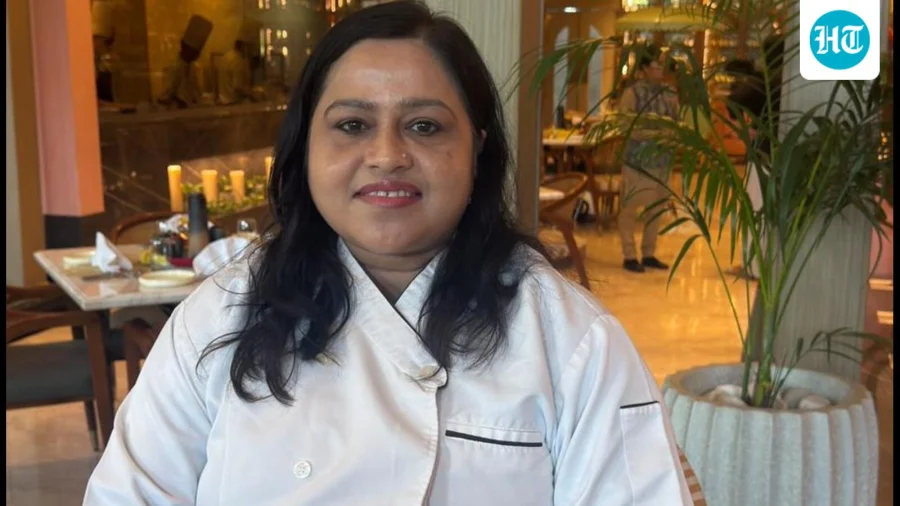
Some careers are built in culinary schools. Hers was built in a society kitchen — the kind with a shared corridor, a borrowed gas connection, and neighbours who became regulars. Today, that same kitchen has become the starting point for invitations from five-star hotels in Gurugram and New Delhi to curate food festivals, particularly those showcasing Magadhi cuisine and traditional Indian flavours.
A Society Kitchen That Became a Calling Card
Home chefs rarely get discovered. They get recommended — by a neighbour, a cousin, a colleague who carried a tiffin to office and was asked, "Where is this from?" That word-of-mouth route is exactly what appears to have carried this chef from a residential society to hotel banquet floors.
Magadhi cuisine — rooted in the Magadh region of present-day Bihar — is not the food most five-star menus are built on. It leans on slow cooking, mustard oil, panch phoron, sattu, and a deep reliance on seasonal vegetables and preserved flavours. It is food that tastes like a household, not a hotel.
Why Five-Star Hotels Are Looking at Home Kitchens
Hotel food festivals have quietly changed. The big-ticket international cuisine circuits still exist, but there is a growing appetite for what the industry calls "hyper-regional" Indian food — dishes that cannot be found on a standard buffet line.
For hotels, a home chef brings something a trained hotel chef often cannot: an unfiltered, lived version of a regional cuisine. For the chef, it brings scale, visibility, and a paying audience far beyond the society WhatsApp group.
How the Journey Unfolded
Based on the available information, the progression has been organic rather than engineered. Cooking at home led to a local reputation. That reputation led to invitations. Those invitations, in turn, have now extended to curating full food festivals at premium properties in Gurugram and New Delhi.
Specific timelines, the names of the hotels involved, and the exact festival dates have not been confirmed in the source material. What is clear is the direction of travel: from a residential kitchen to a curated hotel event.
Who This Actually Affects
On the surface, this is one person's story. In practice, it touches a much larger group — the thousands of home cooks across Indian metros who run small tiffin services, take weekend orders, and quietly hold recipes that never make it to restaurant menus.
It also matters to diners. If hotels continue to invite home chefs, the food on premium menus may start tasting less like a formula and more like a region.
What the Hospitality Industry Is Signalling
While no official statement from the hotels has been reported, the pattern itself is telling. Premium properties increasingly use food festivals as a way to differentiate — not just with celebrity chefs, but with custodians of regional cuisines.
Magadhi cuisine, in particular, has had limited representation in fine dining. Its appearance on five-star calendars would mark a small but meaningful shift in what "premium Indian food" is allowed to mean.
Reading the Story Beyond the Headline
The interesting part is not the venue upgrade. It is the reversal of the usual pipeline. Traditionally, hotel chefs leave to start their own ventures. Here, a home chef is being pulled in the opposite direction — into the hotel, temporarily, as a curator rather than an employee.
That distinction matters. It suggests hotels are renting authenticity rather than trying to manufacture it.
Confirmed Facts vs What Remains Unclear
Confirmed: A home chef has been invited by hotels in Gurugram and New Delhi to curate food festivals, with a focus on Magadhi cuisine and traditional Indian flavours.
Unclear: The names of the hotels, the festival dates, the menu composition, the commercial terms, and whether this is a one-time engagement or an ongoing partnership. Any claims beyond the above would be speculation at this stage.
Risks and a Balanced View
There is a genuine risk of over-reading this as a trend. One chef's invitations do not automatically mean a systemic shift in how hotels source talent. Food festivals are often one-off marketing events, and the home chef model can be precarious — irregular income, no benefits, and dependence on continued invitations.
There is also the question of authenticity versus adaptation. When a home recipe is scaled to a banquet for hundreds, something usually changes. Whether Magadhi cuisine survives that scaling intact is an open question.
A Wider Pattern in Indian Food
This story sits inside a broader movement: the mainstreaming of regional Indian cuisines that were long absent from fine dining — Bihari, Odia, Assamese, Jharkhandi, and others. Social media, food writing, and diaspora demand have all pushed these cuisines into visibility.
Hotels are responding to that visibility. Home chefs are often the ones who hold the recipes.
What Home Chefs and Diners Should Take From This
For home cooks: consistency, documentation of recipes, and a clean digital presence matter more than ever. Hotels and event curators look for cooks who can replicate a dish reliably at scale.
For diners: if a food festival features a home chef, it is worth asking what has been adapted and what has been kept intact. That question usually reveals how serious the curation is.
What Could Happen Next
If the festivals are well received, similar invitations could follow — for this chef and for others. If they are not, the model may remain a novelty rather than a pathway. Much depends on execution, pricing, and whether audiences turn up for cuisines they have not been exposed to before.
Our Take
This is a small story with a larger signal. It shows that the distance between a society kitchen and a five-star banquet hall is shorter than the industry once assumed — provided the food is specific, rooted, and unmistakably someone's own. The real test is not the invitation. It is whether the cuisine arrives on the plate the way it left the home.
Frequently Asked Questions
What is Magadhi cuisine?
Magadhi cuisine refers to the traditional food of the Magadh region in present-day Bihar. It features mustard oil, panch phoron, sattu, litti, and slow-cooked seasonal preparations, with a strong emphasis on home-style cooking.
Why are five-star hotels inviting home chefs?
Hotels use food festivals to differentiate their offerings. Home chefs bring authentic, hyper-regional recipes that are difficult to replicate through standard hotel training, making them attractive curators for niche festivals.
Is this a one-time event or a growing trend?
Based on available information, this appears to be an individual opportunity. Whether it becomes a broader trend depends on audience response, hotel interest, and the chef's ability to scale home recipes for large events.
What does this mean for other home chefs in India?
It suggests that visibility and consistency can open doors beyond local orders. Home chefs who document their recipes, maintain quality, and build a reputation may find similar opportunities with hotels and event curators.