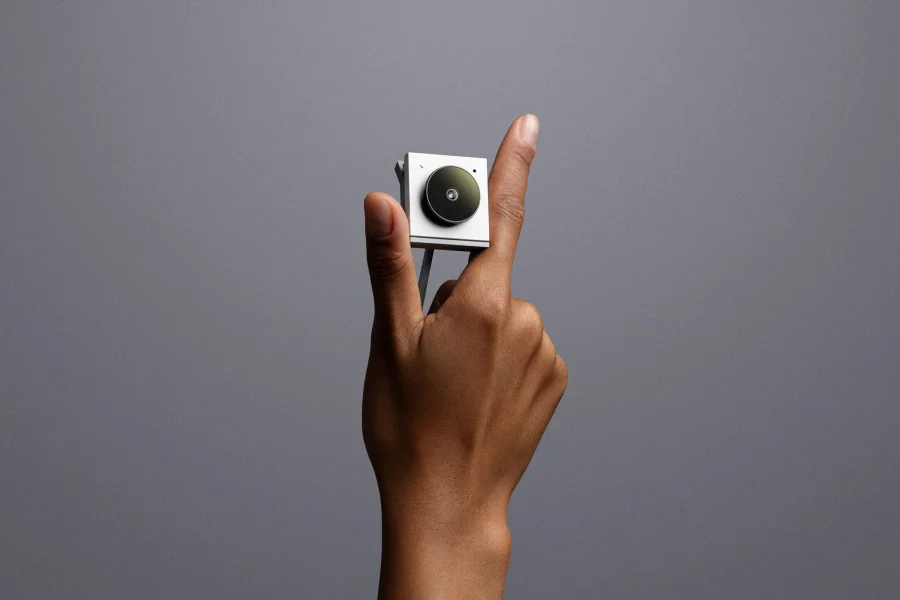
What happens when a company that made a name for itself with a high-end webcam suddenly decides to bet everything on audio? That’s the question surrounding Opal, the startup that’s now flush with cash from OpenAI and Samsung, and is quietly building an AI-powered audio gadget. It’s a pivot that has the tech world watching closely.
From Webcams to Sound Waves: Opal’s Big Bet
Opal first caught everyone’s attention with its premium webcam, a sleek device that promised studio-quality video for remote workers and creators. But the company is now charting a new course. According to reports, Opal is shifting its focus entirely to consumer electronics, starting with an audio gadget that will be powered by artificial intelligence. This isn’t just a side project—it’s a full pivot.
Why This Matters Right Now
This move matters because it signals a major shift in how investors like OpenAI and Samsung see the future of hardware. They’re not just betting on cameras anymore; they’re betting on audio. For consumers, this could mean a new wave of smart, AI-driven audio devices that go beyond simple speakers or headphones. For Opal, it’s a make-or-break moment. If the audio gadget succeeds, it could redefine the company. If it fails, it could be a costly misstep.
How the Pivot Unfolded
Opal’s journey from webcams to audio didn’t happen overnight. After the initial success of its webcam, the company secured significant funding from high-profile investors, including OpenAI and Samsung. This cash injection gave Opal the runway to explore new ideas. The decision to focus on audio came from a belief that sound is the next frontier for AI integration. The company is now deep in development, working on a gadget that promises to blend hardware elegance with smart software.
Who Is Affected and What Investors Are Saying
For Opal’s early adopters and webcam users, this pivot might come as a surprise. The company is essentially leaving its original product category behind. However, investors are reportedly optimistic. OpenAI’s involvement suggests a strong belief in AI’s role in everyday devices. Samsung’s backing adds a layer of manufacturing and distribution expertise. The message is clear: they see a future where AI-powered audio is a necessity, not a novelty.
What We Know So Far — and What Remains Unclear
What we know is that Opal is building an AI-powered audio gadget. What remains unclear is the exact form it will take. Will it be a smart speaker, a pair of earbuds, or something entirely new? The company has not released any specifications or a launch date. The only certainty is that the device will be AI-first, meaning it will likely learn from user behavior and adapt over time.
Risks, Concerns, and the Balanced View
The biggest risk for Opal is the crowded audio market. Giants like Apple, Sony, and Bose dominate the space. Competing with them requires not just a great product, but a compelling reason for consumers to switch. There’s also the question of execution. Pivoting a company is hard, and building a new product from scratch is even harder. On the flip side, Opal has deep pockets and strong investor support. If they can deliver a truly innovative AI audio experience, they could carve out a niche.
Why Similar Trends Are Growing
Opal’s pivot is part of a larger trend. AI is increasingly being integrated into hardware, from smartphones to smart home devices. Audio, in particular, is seen as a natural fit for AI because it involves real-time processing, voice recognition, and personalization. Other startups are also exploring AI-powered audio, but Opal’s backing from OpenAI gives it a unique advantage in terms of AI expertise.
- Opal’s webcam was praised for its design and video quality.
- The company raised significant funding from OpenAI and Samsung.
- The new audio gadget is expected to be AI-powered.
“We believe audio is the next big platform for AI, and Opal is uniquely positioned to lead that charge.” — Anonymous investor source
What Consumers and Investors Should Know Now
For consumers, the key takeaway is to watch this space. If you’re in the market for a new audio device, it might be worth waiting to see what Opal unveils. For investors, this is a high-risk, high-reward play. The success of the audio gadget will determine Opal’s future. Keep an eye on product announcements and early reviews.
What Could Happen Next
If Opal’s audio gadget is well-received, it could trigger a wave of similar AI-powered devices from other companies. The company might also expand into other consumer electronics categories. If the product flops, Opal could struggle to find its footing again. Either way, the next 12 months will be critical for the company.
Our Take: Why This Story Matters Beyond One Gadget
Opal’s pivot is more than just a company changing direction. It’s a signal that the hardware industry is entering a new phase where AI is the core differentiator. The companies that can successfully merge smart software with beautiful hardware will win. Opal is taking a big swing, and whether they hit or miss, their journey will offer valuable lessons for the entire tech ecosystem.
FAQs
What is Opal’s new AI-powered audio gadget?
Opal is developing a new consumer electronics device focused on audio, powered by artificial intelligence. The exact form—whether a speaker, earbuds, or something else—has not been revealed yet.
Why did Opal pivot from webcams to audio?
Opal believes that audio is the next major platform for AI integration. With significant investments from OpenAI and Samsung, the company decided to shift its focus to building an AI-first audio gadget.
Who is backing Opal’s new audio gadget?
Opal has received major investments from OpenAI and Samsung. These backers provide both financial resources and strategic expertise in AI and hardware manufacturing.
When will Opal’s AI audio gadget be released?
No official release date has been announced. The product is still in development, and Opal has not shared a timeline for launch.