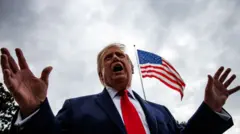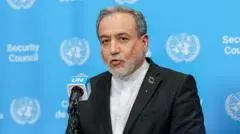
The first round of high-level talks between the United States and Iran in Switzerland ended early Monday with mediators describing the discussions as making "encouraging progress," raising cautious hopes for a potential breakthrough in one of the world's most volatile diplomatic standoffs.
What happened at the Switzerland talks
The negotiations, which began on Sunday in a neutral Swiss venue, marked the first direct engagement between the two countries under the current administration. Mediators confirmed that both sides participated constructively, with the talks covering a range of contentious issues including regional security, nuclear concerns, and economic sanctions.
Why this round matters for regional stability
For millions across the Middle East and beyond, the outcome of these talks carries immediate consequences. A successful deal could reduce the risk of military confrontation in the Persian Gulf, ease pressure on global oil supplies through the Strait of Hormuz, and potentially unlock billions in frozen Iranian assets that could impact international markets.
How the talks came together
The negotiations were preceded by an agreement reached last week, which established the framework for Sunday's discussions. That preliminary deal included a mutual commitment to reach a final agreement within 60 days — a timeline that now sets the pace for what could be a defining moment in US-Iran relations.
Who stands to benefit from progress
Beyond the two governments, the talks directly affect ordinary citizens in Iran facing economic hardship under sanctions, residents of Gulf states concerned about regional security, and global consumers who could see relief at the pump if oil transit through the Strait of Hormuz becomes more stable. Investors and businesses with exposure to the region are also watching closely.
What mediators and officials are saying
Mediators described the first round as constructive, noting that both sides demonstrated a willingness to continue dialogue. While specific details of the discussions remain confidential, the "encouraging progress" characterization suggests that initial gaps may be narrowing on key issues. Officials have not disclosed which topics saw the most movement.
What the 'encouraging progress' label really means
In diplomatic language, "encouraging progress" signals that talks have moved beyond mere procedural discussions into substantive engagement. It suggests that both sides found common ground on at least some issues, though significant hurdles remain. The 60-day deadline adds both urgency and structure to the process.
Confirmed facts vs what remains unclear
Confirmed: Talks took place in Switzerland on Sunday and ended early Monday. Mediators described progress as "encouraging." A 60-day timeline for a final deal was agreed upon last week. Discussions covered regional issues including Lebanon and the Strait of Hormuz, as well as frozen assets.
Unclear: Specific concessions made by either side. Whether nuclear inspections were discussed in detail. The exact schedule for the next round of talks. Whether any back-channel communications preceded the public negotiations.
Risks and balanced view of the talks
While the "encouraging progress" label is positive, diplomatic history is littered with promising starts that faltered. Skeptics point to previous rounds of US-Iran talks that raised hopes only to collapse over irreconcilable differences. Hardliners on both sides remain opposed to any deal, and domestic political pressures could derail progress. The 60-day timeline, while providing structure, also creates a deadline that could lead to rushed compromises or breakdowns.
Wider pattern in US-Iran diplomacy
This round of talks fits into a longer history of on-again, off-again negotiations between Washington and Tehran. Previous administrations have attempted nuclear deals, sanctions relief frameworks, and regional security agreements — with mixed results. The current effort appears to be broader in scope, covering multiple flashpoints simultaneously.
What readers should watch for next
For those following the story, key indicators to monitor include: announcements about the next round of talks, any public statements from Iranian or US officials, changes in oil prices or regional military posture, and signals from allies in Europe and the Gulf. The 60-day clock means significant developments could emerge in the coming weeks.
What could happen next
If the positive momentum continues, the next round could move toward concrete agreements on specific issues like nuclear inspection protocols or the release of frozen assets. A breakdown remains possible if either side perceives the other as not negotiating in good faith. The most likely scenario is a series of incremental steps rather than a single comprehensive deal.
Our Take
The "encouraging progress" label from mediators is meaningful but should be viewed with cautious optimism. What makes this round different is the explicit 60-day timeline, which forces both sides to move beyond posturing. The inclusion of multiple regional issues — Lebanon, Hormuz, frozen assets — suggests a more comprehensive approach than previous efforts. However, the hardest decisions lie ahead, and the real test will come when both sides have to translate general goodwill into specific commitments. For now, the world can breathe slightly easier, but the path to a final deal remains narrow and fraught with obstacles.
Frequently Asked Questions
What was achieved in the first round of US-Iran talks?
Mediators reported "encouraging progress" after the first round of talks in Switzerland. Both sides engaged constructively on issues including regional security, the Strait of Hormuz, and frozen assets, with a commitment to reach a final deal within 60 days.
Where did the US-Iran talks take place?
The negotiations were held in Switzerland, a neutral country that has historically hosted diplomatic talks between adversarial nations. The specific venue has not been publicly disclosed for security reasons.
What is the 60-day timeline for the US-Iran deal?
Both sides agreed last week to a 60-day framework to reach a final agreement. This timeline was part of the preliminary deal that set the stage for Sunday's talks and is intended to maintain momentum toward a comprehensive resolution.
Will the US-Iran talks affect oil prices?
Yes, the talks have implications for global oil markets, particularly regarding the Strait of Hormuz, a critical transit point for about 20% of the world's oil. Progress in negotiations could reduce geopolitical risk premiums in oil prices.