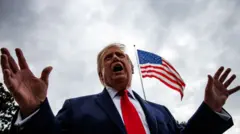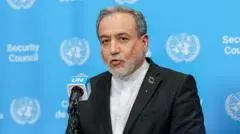
The first round of direct talks between the United States and Iran ended Sunday in Switzerland with mediators from Qatar and Pakistan reporting what they called "encouraging progress" toward a lasting peace deal. The development marks a significant step in efforts to de-escalate tensions that have gripped the Middle East for months.
What the mediators said about the US-Iran talks
Qatari and Pakistani officials, who are acting as intermediaries, described the initial discussions as constructive. "There was encouraging progress toward a lasting peace deal," a joint statement from the mediators indicated, according to sources familiar with the talks. The tone was notably positive, suggesting both sides engaged seriously on core issues.
Why this round of negotiations matters for the region
The talks are not just about US-Iran relations. They touch on broader regional flashpoints, including the situation in Lebanon, the security of the Strait of Hormuz — a critical chokepoint for global oil shipments — and the status of frozen Iranian assets. Any progress here could ripple across the Middle East, affecting energy markets, regional alliances, and the lives of millions.
How the talks came together: a timeline
The groundwork for Sunday's meeting was laid last week when Washington and Tehran agreed on a roadmap for negotiations. That agreement included a mutual commitment to reach a final deal within 60 days. The Switzerland round was the first face-to-face meeting under that framework, following months of indirect communication and escalating military posturing.
Who is affected by the outcome of the negotiations
For ordinary Iranians, a deal could mean relief from crippling economic sanctions that have driven inflation and unemployment. For Americans, it could reduce the risk of a broader war in the Middle East. For global markets, the prospect of de-escalation around the Strait of Hormuz — through which about 20% of the world's oil passes — is a critical factor. Shipping companies, oil traders, and regional governments are all watching closely.
Official responses from Qatar and Pakistan
Mediators from Qatar and Pakistan have been central to facilitating the dialogue. Both nations have historical ties to the US and Iran, positioning them as credible go-betweens. Their assessment of "encouraging progress" carries weight, as they have been involved in previous rounds of shuttle diplomacy. Neither Washington nor Tehran has issued a formal statement yet, but the mediators' remarks set a cautiously optimistic tone.
What 'encouraging progress' actually means in diplomatic terms
In the language of diplomacy, "encouraging progress" is a carefully chosen phrase. It signals that both sides are engaging seriously and that the talks are not deadlocked. However, it stops short of announcing any concrete breakthroughs. The phrase suggests that the framework for a deal is taking shape, but the hardest details — such as the scope of sanctions relief, Iran's nuclear program, and regional security guarantees — remain to be negotiated.
Confirmed facts vs what remains unclear after the first round
Confirmed: The first round of talks took place in Switzerland on Sunday. Mediators from Qatar and Pakistan described the progress as "encouraging." Both sides have committed to a 60-day timeline for a final deal.
Unclear: The specific topics discussed in detail. Whether any interim agreements were reached. The exact positions of the US and Iranian delegations on key issues like nuclear enrichment or sanctions. The schedule for the next round of talks beyond the second day.
Risks and balanced view of the negotiations
While the mediators' statement is positive, significant risks remain. Previous rounds of US-Iran talks have collapsed over mutual distrust. Hardliners in both countries may oppose any compromise. Iran's nuclear program continues to advance, and the US has maintained a policy of maximum pressure. Critics argue that a 60-day timeline is ambitious and may force rushed decisions. The situation in Lebanon and the ongoing conflict with Israel add layers of complexity that could derail progress.
Wider trend: a shift toward diplomacy in the Middle East
The US-Iran talks are part of a broader pattern of diplomatic engagement in the region. From Saudi-Iranian rapprochement brokered by China to renewed Israeli-Palestinian negotiations, there is a noticeable shift away from military confrontation toward dialogue. The involvement of Qatar and Pakistan as mediators also reflects the growing role of middle powers in global conflict resolution.
What to watch for in the coming days
Readers should monitor statements from the US State Department and Iranian Foreign Ministry for their own assessments. The second day of talks, expected to begin Monday, will be critical. Any leaks about specific proposals — such as a partial sanctions relief in exchange for nuclear limits — will signal the direction of the negotiations. Markets, particularly oil prices, will react to any signs of progress or breakdown.
Future outlook: what could happen next
If the momentum holds, the next few weeks could see a series of follow-up meetings, possibly at higher diplomatic levels. A final deal within 60 days would be a historic achievement, but it remains a long shot. More realistically, the talks may produce a framework agreement that sets the stage for more detailed negotiations later this year. The key variable is political will on both sides.
Our Take
The "encouraging progress" from the first round of US-Iran talks is a welcome sign, but it is only the beginning. Diplomacy is a fragile process, and the road to a final deal is littered with past failures. What makes this round different is the explicit 60-day timeline and the involvement of credible mediators. However, the hardest issues — nuclear enrichment, sanctions, regional influence — remain unresolved. The real test will come when both sides have to make painful compromises. For now, the world can breathe a little easier, but not too deeply.
Frequently Asked Questions
What was the outcome of the first US-Iran talks in Switzerland?
Mediators from Qatar and Pakistan reported "encouraging progress" toward a lasting peace deal. The talks were the first face-to-face meeting under a roadmap agreed last week.
Who mediated the US-Iran talks?
Officials from Qatar and Pakistan served as mediators. Both countries have diplomatic ties with the US and Iran, making them trusted intermediaries.
What is the 60-day timeline for the US-Iran deal?
Under the roadmap agreed last week, both sides committed to reaching a final deal within 60 days. The first round in Switzerland was the initial step in that process.
What issues are being discussed in the US-Iran talks?
The talks cover a range of issues including the situation in Lebanon, security in the Strait of Hormuz, frozen Iranian assets, and broader regional de-escalation.