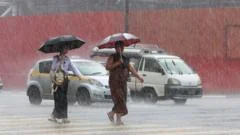
The world has entered a new climate phase. US scientists have officially declared that an El Niño event is now underway, and early signs point to it being one of the most powerful on record. For millions of people, this means preparing for a year of weather extremes — from devastating floods to crippling droughts.
What Scientists Have Confirmed About the 2026 El Niño
The National Oceanic and Atmospheric Administration (NOAA) confirmed that sea surface temperatures in the central and eastern Pacific have risen above the El Niño threshold. This warming disrupts atmospheric circulation, triggering a cascade of weather effects across the globe. Many forecasts now suggest this could become a "super" El Niño, rivaling the strongest events ever recorded, such as those in 1997-98 and 2015-16.
Why This El Niño Could Be Different — and More Dangerous
This event is developing on top of decades of human-caused global warming. The baseline temperature of the planet is already higher than in previous El Niño years. Scientists warn that this combination could push global temperatures to record-breaking levels, most likely in 2027. The disruption to weather patterns, food production, and economies could be severe and prolonged.
How the El Niño Pattern Developed So Quickly
Unlike some El Niño events that take months to strengthen, the 2026 event has developed unusually fast. Sea surface temperatures in the key monitoring region rose sharply in late spring, catching some forecasters by surprise. The rapid intensification has raised concerns that the event may peak earlier and more powerfully than initially predicted.
Who Will Be Affected and How
El Niño does not affect every region equally. Some areas, like the western coasts of South America and parts of East Africa, face an increased risk of heavy rainfall and flooding. Others, including Australia, Indonesia, and parts of India, may experience severe drought and heatwaves. For farmers, fishermen, and communities dependent on predictable weather, the coming months could be especially challenging.
What NOAA and Global Agencies Are Saying
NOAA officials have stated that the event is likely to persist through the winter and into early 2027. The World Meteorological Organization (WMO) has also issued alerts, urging governments to prepare for extreme weather events. "This is not just a scientific curiosity," one official said. "It has real consequences for food security, water availability, and public safety."
What a "Super El Niño" Actually Means
The term "super El Niño" is not an official classification but is used by scientists to describe events where sea surface temperatures exceed 2°C above average in the key monitoring region. Such events have historically been linked to catastrophic weather events, including the 1997-98 floods in California and the 2015-16 drought in Southeast Asia. The current event is tracking close to those benchmarks.
Confirmed Facts vs What Remains Unclear
Confirmed: El Niño conditions are present in the Pacific. The event is strengthening rapidly. It is likely to persist into 2027. Unclear: Whether it will officially become a "super" El Niño. The exact timing and intensity of extreme weather events in specific regions. The full extent of the impact on global food supplies.
Why This Event Matters Beyond the Weather
El Niño is not just a weather story. It is an economic story. Past events have disrupted global commodity markets, from coffee to wheat to palm oil. Insurance companies, energy traders, and governments are already modeling the potential costs. For developing nations with limited resources to adapt, the risks are even higher.
Risks and the Need for Preparedness
While El Niño can bring beneficial rains to some drought-prone regions, the risks of extreme flooding, landslides, and crop failure are significant. Critics of past preparedness efforts point out that early warnings often do not translate into early action. The challenge now is to move from prediction to protection — ensuring that vulnerable communities have the resources they need before disaster strikes.
A Pattern of Increasing Extremes
This El Niño is unfolding against a backdrop of rising global temperatures. Scientists have noted that the frequency and intensity of El Niño events may be increasing due to climate change. While the link is still being studied, the pattern is clear: the world is experiencing more volatile weather, and El Niño is a key driver of that volatility.
What You Should Do Now
For individuals, staying informed is the first step. Monitor local weather alerts, especially if you live in a region prone to flooding or drought. For farmers and businesses, consider consulting agricultural extension services or risk management advisors. For policymakers, the message is urgent: invest in early warning systems, water management, and disaster preparedness.
What the Next Two Years Could Look Like
The most severe impacts on global temperatures are expected in 2027, but the effects on weather patterns will begin much sooner. The coming months will be critical for monitoring the event's evolution. If it continues to strengthen, the world could face a period of unprecedented climate disruption.
Our Take
The declaration of an El Niño event is not a reason for panic, but it is a reason for serious preparation. The science is clear: this could be one of the strongest events on record, and it is happening in a world that is already warmer than ever before. The real test will be whether governments, businesses, and communities use this warning to act — or wait until the damage is done.
Frequently Asked Questions
What is El Niño?
El Niño is a natural climate pattern marked by warmer-than-average sea surface temperatures in the central and eastern Pacific Ocean. It disrupts global weather patterns, often causing extreme conditions like floods and droughts.
How long will the 2026 El Niño last?
Scientists expect the current El Niño to persist through the winter of 2026 and into early 2027. The most significant global temperature impacts may be felt in 2027.
Will El Niño cause a record hot year?
Many scientists believe that the combination of this strong El Niño and existing global warming could lead to record-breaking global temperatures, most likely in 2027.
Is this El Niño caused by climate change?
El Niño is a natural phenomenon that has occurred for centuries. However, climate change may be making these events more intense and their impacts more severe by raising the baseline global temperature.