The World Health Organization has just made a decision that sends a clear signal of alarm. The risk of the Ebola outbreak in the Democratic Republic of Congo escalating into a full-blown national crisis has been officially raised to 'very high'. With nearly 750 suspected cases and 177 suspected deaths already reported, the situation is no longer a distant health bulletin — it is a growing emergency that demands global attention.
WHO Escalates Ebola Risk Level in DR Congo to 'Very High'
The head of the UN health agency confirmed the risk upgrade, specifically citing the Bundibugyo strain of the Ebola virus. While the risk within the wider region is now classified as 'high', the agency maintains that the global threat remains 'low'. This distinction is crucial: it means the outbreak is serious and spreading locally, but it has not yet crossed international borders in a way that threatens a pandemic.
Why This Matters Right Now
This is not just a statistic. For the people living in the affected areas of DR Congo, this means heightened fear, overwhelmed health facilities, and the constant threat of a virus that can kill up to 50% of those infected. For the rest of the world, it is a reminder that infectious diseases do not respect borders. The 'very high' risk designation triggers more aggressive containment measures, international funding, and a race against time to prevent a wider catastrophe.
How the Outbreak Unfolded
The current outbreak is caused by the Bundibugyo strain, a less common but still deadly form of Ebola. The WHO reports that the number of suspected cases has climbed to nearly 750, with 177 suspected deaths. These numbers are likely an undercount, as remote areas make surveillance and reporting difficult. The outbreak has been concentrated in regions with weak healthcare infrastructure, making containment a massive logistical challenge.
Who Is Affected and What Officials Are Saying
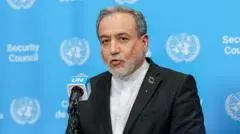
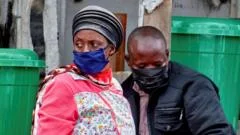
The primary victims are communities in rural DR Congo, where access to clean water, medical care, and safe burial practices is limited. Health workers are on the front lines, risking their own lives. The WHO has deployed teams, but the agency warns that the situation is fragile. "The risk at the national level is very high," a WHO spokesperson stated, while emphasizing that "the global risk remains low." This careful language is meant to balance urgency with reassurance.
What We Know So Far — and What Remains Unclear
What we know: The WHO has officially raised the risk level. The Bundibugyo strain is confirmed. Nearly 750 suspected cases and 177 suspected deaths have been reported. The global risk is low.
What remains unclear: The exact number of confirmed cases versus suspected ones. The full geographic spread of the virus. Whether the outbreak will cross into neighboring countries like Uganda, which has already seen cases in the past. The effectiveness of current containment efforts in such a challenging environment.
Risks, Concerns, and the Balanced View
The biggest risk is that the outbreak overwhelms local health systems, leading to more deaths and potential spread to urban centers. The Bundibugyo strain, while less transmissible than the Zaire strain, still poses a serious threat. On the other hand, the WHO and global health partners have experience from previous Ebola outbreaks. Vaccines and treatments exist, though their availability in remote areas is limited. The 'low' global risk is a genuine reassurance, but it depends on swift action now.
Why Similar Outbreaks Are a Growing Concern
Ebola outbreaks have become more frequent in Central Africa, driven by deforestation, human-animal contact, and weak health systems. The 2014-2016 West Africa outbreak killed over 11,000 people and taught the world hard lessons. Each new outbreak tests the global health infrastructure. The current situation in DR Congo is a stark reminder that the world cannot afford to be complacent.
- The Bundibugyo strain was first identified in 2007 in Uganda.
- Ebola is transmitted through direct contact with bodily fluids of infected people or animals.
- Symptoms include fever, severe headache, muscle pain, vomiting, and unexplained bleeding.
"The risk at the national level is very high, but the global risk remains low." — WHO Spokesperson
What Readers, Users, or Investors Should Know Now
For the general public, especially outside Africa, there is no immediate cause for panic. The risk to the United States and Europe remains low. However, travelers to affected regions should follow WHO and CDC guidelines, avoid contact with sick individuals, and practice strict hygiene. For investors in global health or pharmaceutical sectors, this outbreak could accelerate funding for Ebola vaccines and treatments.
What Could Happen Next
If containment efforts succeed, the outbreak could be brought under control within months. If they fail, the virus could spread to neighboring countries, forcing a larger international response. The WHO will likely call for more funding and resources. The coming weeks are critical. The world is watching, and the clock is ticking.
Our Take: Why This Story Matters Beyond One Incident
This is not just about one outbreak in one country. It is a test of the global health system's ability to respond to emerging threats. Every time a 'very high' risk is declared, it is a warning that the next pandemic could be just one failed containment away. The world must learn from this — or risk repeating the mistakes of the past.
FAQs
What does 'very high' risk mean for the Ebola outbreak in DR Congo?
It means the WHO believes the outbreak has a high chance of spreading further within the country and becoming a national crisis. It triggers an escalated response, including more resources, international coordination, and heightened surveillance.
Is the Bundibugyo strain of Ebola more dangerous than other strains?
The Bundibugyo strain is less deadly than the Zaire strain (which has a higher fatality rate), but it is still a serious threat. It causes severe illness and can spread rapidly in communities without proper healthcare.
Should I be worried about the Ebola outbreak if I live outside Africa?
No. The WHO has stated that the global risk remains low. There are no confirmed cases outside the affected region. Travel restrictions are not currently recommended, but travelers to DR Congo should take precautions.
How is the WHO responding to the Ebola outbreak in DR Congo?
The WHO has deployed teams to the affected areas, is coordinating with local health authorities, and is working to distribute vaccines and treatments. The 'very high' risk designation will likely lead to increased international funding and support.