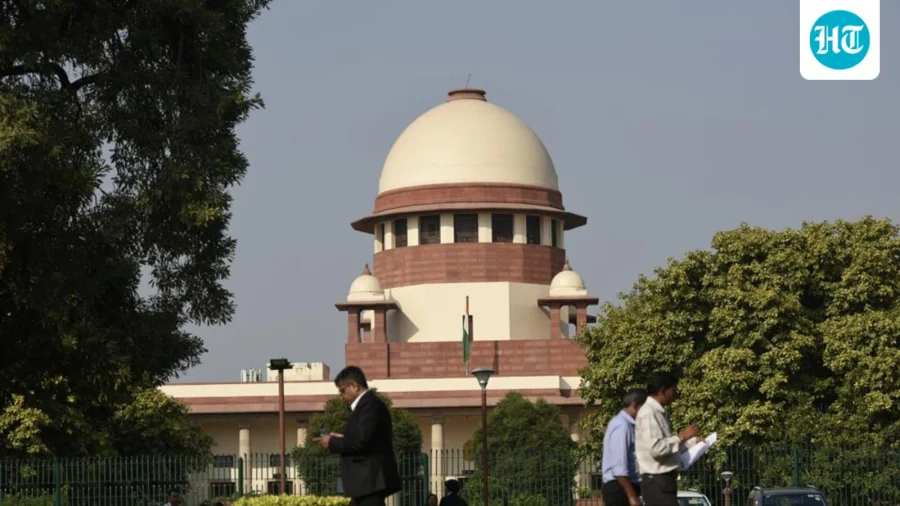
The Chief Justice of India on Wednesday refused to grant an urgent hearing to pleas alleging police assault on unarmed protesters, telling a lawyer who sought to submit video evidence: “Don’t waste our time.” The sharp exchange, which took place in open court, has left petitioners without immediate judicial recourse and sparked debate over the court’s willingness to intervene in allegations of police excess.
What happened in court: Lawyer’s plea and CJI’s response
The lawyer, representing petitioners who claim police used excessive force against peaceful demonstrators, sought an urgent listing of the matter. He offered to submit videos purportedly showing the assault. The CJI, however, declined to entertain the submission, saying the court’s time should not be wasted on such requests. No reasons were recorded in the order, and the matter was not listed for hearing.
Why this matters: Access to urgent judicial remedy
The refusal to list the pleas urgently means that allegations of police violence—if true—will not receive immediate judicial scrutiny. For citizens who claim to have been assaulted while exercising their right to protest, the delay could mean prolonged suffering without legal protection. The incident also raises broader questions about how the Supreme Court prioritizes cases involving fundamental rights and police accountability.
Context: The nature of the police action pleas
The pleas were filed following reports of police action against protesters in multiple locations. The petitioners alleged that law enforcement personnel used batons, tear gas, and physical force against unarmed demonstrators, resulting in injuries. Video clips circulating on social media purportedly showed the incidents, though their authenticity has not been independently verified by the court. The lawyer’s offer to submit these videos was the basis for seeking urgent intervention.
Who is affected: Protesters and the right to peaceful assembly
The immediate impact falls on the individuals who claim to have been assaulted. But the broader implication touches every citizen’s right to peaceful protest under Article 19 of the Constitution. If the court is unwilling to urgently examine allegations of police excess, it may deter people from exercising their democratic rights, fearing that any violence against them will go unchecked.
Official response: No formal statement from the CJI’s office
As of now, the CJI’s office has not issued any formal statement explaining the refusal. The exchange was reported by lawyers present in the courtroom. The Supreme Court registry typically does not comment on individual hearings unless a written order is passed. In this case, no detailed order was recorded, leaving the reasoning behind the CJI’s remarks unclear.
Analysis: What the CJI’s remark signals
The phrase “Don’t waste our time” is unusually blunt for the Supreme Court, which usually couches refusals in procedural language. Legal experts suggest it may indicate the bench’s view that the matter does not meet the threshold for urgent listing—perhaps because the alleged incidents occurred days ago, or because other remedies (like filing a police complaint or approaching a high court) are available. However, without a recorded order, the exact rationale remains speculative.
Confirmed facts vs what remains unclear
Confirmed: The CJI refused urgent listing. The lawyer offered video evidence. The CJI said “Don’t waste our time.” No urgent hearing was granted. Unclear: The precise legal basis for the refusal. Whether the videos were actually viewed by the court. Whether the petitioners have alternative remedies. Whether the matter will be listed for regular hearing. All speculation beyond these points should be treated as unconfirmed.
Risks and balanced view
Critics may argue that the CJI’s response undermines public confidence in the judiciary’s willingness to hold police accountable. Supporters of the court might counter that the Supreme Court cannot be expected to hear every allegation of police excess on an urgent basis, and that petitioners should first exhaust remedies in lower courts. The lack of a recorded order, however, leaves the matter open to interpretation and criticism.
Wider trend: Judicial reluctance to intervene in police conduct
This incident is part of a broader pattern where Indian courts have sometimes been hesitant to intervene in police actions, citing the need for evidence or deference to law enforcement’s operational autonomy. In recent years, the Supreme Court has issued guidelines on arrest procedures and custodial violence, but individual cases of alleged excess often face procedural hurdles before reaching the top court.
Practical guidance for affected citizens
For those who believe they have been subjected to police assault, the immediate step is to file a formal complaint with the local police station or the State Human Rights Commission. If that fails, a petition can be filed in the relevant High Court under Article 226. Legal aid clinics and human rights organizations can assist with documentation and filing. Video evidence should be preserved and submitted with any complaint.
Future outlook: What could happen next
The petitioners’ lawyers may file a fresh application for urgent listing, possibly before a different bench, or approach the Chief Justice again with additional grounds. Alternatively, they may wait for the matter to be listed in the regular course. If the allegations are serious and widespread, public pressure or media coverage could influence the court’s willingness to take up the case. However, no timeline is certain.
Our Take
The CJI’s refusal to grant an urgent hearing—and the dismissive language used—raises legitimate concerns about access to justice in cases involving state action. While the Supreme Court must manage its docket, the perception that allegations of police violence are not treated with urgency can erode trust in the institution. A recorded order explaining the reasoning would have provided clarity and accountability. Until then, the incident remains a troubling episode in the court’s relationship with fundamental rights.
Frequently Asked Questions
Why did the CJI refuse to hear the police action pleas urgently?
The CJI did not provide a recorded reason. In court, he told the lawyer “Don’t waste our time,” suggesting he did not consider the matter urgent enough for immediate listing. Legal experts speculate the court may have felt the petitioners had alternative remedies or that the incidents were not recent enough.
Can the petitioners still get an urgent hearing?
Yes, they can file a fresh application for urgent listing, possibly with additional evidence or before a different bench. They can also approach the High Court for interim relief. The refusal does not permanently bar the case from being heard.
What does “urgent listing” mean in the Supreme Court?
Urgent listing allows a case to be heard on short notice, bypassing the regular queue. It is typically granted for matters involving imminent harm, fundamental rights violations, or public importance. The Chief Justice has discretion to decide which cases qualify.
Is the CJI’s remark unusual for the Supreme Court?
Yes, the phrase “Don’t waste our time” is unusually direct and informal for a Supreme Court bench. Most refusals are couched in procedural language like “matter does not require urgent hearing.” The bluntness has drawn criticism from legal observers.