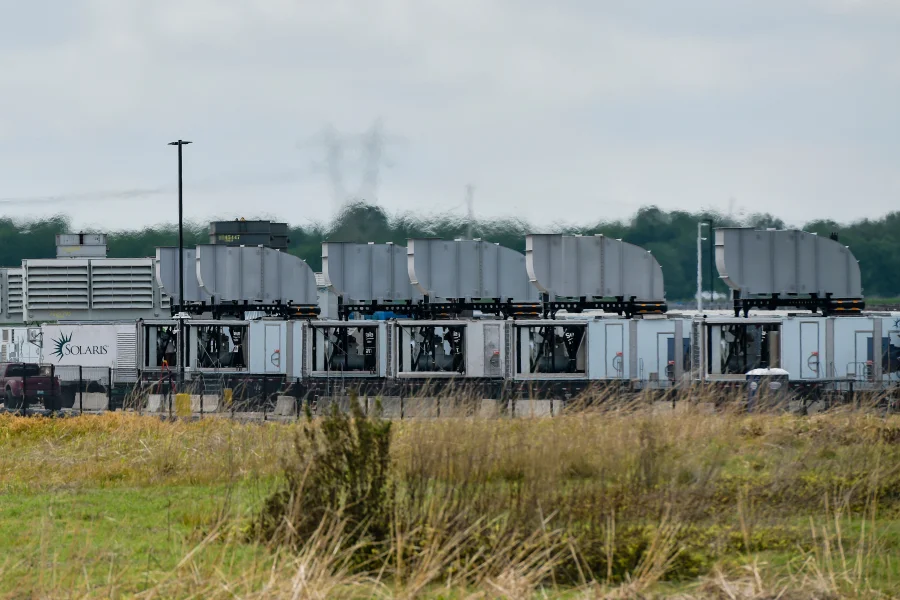
In a move that blurs the lines between environmental regulation and national security, the US Department of Justice has stepped into a lawsuit against Elon Musk’s artificial intelligence company, xAI, arguing that its operations are so critical to the country’s defence that they cannot be halted — even if they are polluting a local community.
Why the DOJ is defending xAI’s gas turbines
The Justice Department filed a statement of interest in a lawsuit brought by the NAACP and residents of a Memphis neighbourhood. The plaintiffs allege that xAI’s gas turbines, which power its data centre, are releasing harmful pollutants into the air, disproportionately affecting a predominantly Black community. The DOJ’s argument is stark: xAI is “vital” for national security, including supporting military operations related to the Iran War. The filing claims that the data centre is “critical infrastructure” and that any disruption would harm US defence capabilities.
What the NAACP and residents are alleging
The lawsuit, filed earlier this year, accuses xAI of operating gas generators without proper permits and control requirements. Residents report respiratory issues, noise, and a constant haze over their neighbourhood. The NAACP has requested a preliminary injunction to shut down the turbines until environmental reviews are completed. For the community, this is a fight for clean air and environmental justice. For the DOJ, it is a matter of national security.
How the situation escalated
xAI began operating its Memphis data centre in 2024, using gas turbines to meet the immense energy demands of training and running its AI models. Local residents and environmental groups quickly raised concerns. The NAACP filed the lawsuit in early 2025. The DOJ’s intervention marks a significant escalation, turning a local environmental dispute into a federal national security matter.
Who is affected and why it matters
The immediate impact is on the residents of the Memphis neighbourhood, who say they are bearing the health and environmental costs of powering an AI company. But the case has broader implications. If the DOJ succeeds, it could set a precedent allowing tech companies — especially those with government contracts — to bypass environmental regulations by invoking national security. This could affect communities near data centres, defence contractors, and AI labs across the country.
What the DOJ and xAI are saying
The DOJ’s filing argues that xAI’s operations are “integral to the national security of the United States,” specifically citing support for military operations in the Iran War. The government claims that shutting down the turbines would “cause irreparable harm” to defence capabilities. xAI has not publicly commented on the filing, but the company has previously argued that its gas generators are “exempt” from certain permit requirements. The NAACP has called the DOJ’s argument “a dangerous overreach” that prioritises corporate interests over community health.
What this means for environmental justice
Legal experts say the case is a test of how far the national security argument can stretch. Environmental justice advocates warn that if the DOJ prevails, it could become a standard defence for polluting industries operating near vulnerable communities. “This is about whether a company can use the flag to shield itself from accountability,” one analyst noted. The case also raises questions about the environmental cost of the AI boom, which requires enormous amounts of energy.
Confirmed Facts vs What Remains Unclear
Confirmed: The DOJ filed a statement of interest arguing xAI is vital for national security, including Iran War operations. The NAACP lawsuit alleges pollution from xAI’s gas turbines. The DOJ claims halting operations would harm national security. Unclear: The exact nature of xAI’s military contracts or operations. Whether the turbines are actually violating environmental laws. The full extent of health impacts on the community. The judge’s decision is pending.
Why xAI’s infrastructure matters to the government
xAI is not just another AI startup. It is building some of the world’s most powerful AI models, which have potential military and intelligence applications. The DOJ’s argument suggests that xAI’s data centre is part of a broader national security infrastructure — possibly providing computing power for defence AI, data analysis, or communications. This gives xAI a unique position: it can argue that its operations are too important to be regulated like a normal industrial facility.
Risks and concerns emerging
Critics warn that the DOJ’s intervention could set a dangerous precedent. If national security can be used to bypass environmental laws, it could encourage other tech and defence contractors to locate polluting facilities near low-income communities, knowing they have a legal shield. There are also concerns about transparency: if xAI’s operations are classified, the public may never know the true extent of the pollution or the health risks. The NAACP has argued that the DOJ’s filing is an attempt to “silence” the community’s legitimate concerns.
A broader pattern: tech, defence, and environmental costs
This case is part of a larger trend. As AI and data centres consume more energy, companies are increasingly turning to gas turbines and other fossil fuel sources. At the same time, the US government is deepening its ties with AI companies for defence and intelligence purposes. The result is a growing tension between the need for clean energy and the demands of national security. Similar disputes have emerged around data centres in Virginia, Arizona, and California.
What residents and advocates should watch for
For those affected, the key is the judge’s ruling on the NAACP’s injunction request. If the court allows the turbines to keep running, the case will likely proceed to trial, where the national security argument will be tested in detail. Residents can also push for greater transparency about xAI’s operations and emissions. Environmental groups may use this case to advocate for clearer rules on when national security can override environmental laws.
What happens next
The federal judge overseeing the case is expected to rule on the DOJ’s motion to dismiss and the NAACP’s injunction request in the coming weeks. If the case proceeds, it could become a landmark legal battle over the intersection of AI, national security, and environmental justice. The outcome will be closely watched by tech companies, defence contractors, and communities living near data centres.
Our Take
This case is a stark reminder that the AI revolution has a physical cost — and that cost is often borne by the most vulnerable. The DOJ’s argument is legally significant, but it also raises uncomfortable questions about who gets to decide what is “vital” for national security. If a private company can invoke national security to avoid environmental accountability, the line between public interest and corporate interest becomes dangerously blurred. The court’s decision will be a bellwether for how the US balances technological ambition, military needs, and community health.
Frequently Asked Questions
Why is the DOJ involved in a lawsuit against xAI?
The DOJ filed a statement of interest arguing that xAI’s operations are vital for national security, including support for military operations in the Iran War. It is seeking to dismiss the lawsuit filed by the NAACP over pollution from xAI’s gas turbines.
What is the NAACP’s lawsuit about?
The NAACP and Memphis residents allege that xAI’s gas turbines are releasing harmful pollutants into a predominantly Black neighbourhood. They are seeking an injunction to shut down the turbines and require environmental reviews.
Can a company use national security to avoid environmental laws?
That is the central question in this case. The DOJ argues that xAI’s operations are critical infrastructure and cannot be disrupted. If the court agrees, it could set a precedent allowing other companies to use national security as a defence against environmental regulations.
What does this mean for the Iran War?
The DOJ specifically cited support for military operations related to the Iran War. The exact nature of xAI’s role is unclear, but it suggests the company’s AI infrastructure is being used for defence purposes, including possibly data analysis, communications, or intelligence.