For the families of the 11 people killed in the Red Fort blast last November, the wait for closure has been agonising. Now, a Delhi court has stepped in to allow the National Investigation Agency (NIA) to dispose of the victims’ remains with dignity, ending months of uncertainty over their final rites.
Court order brings relief after months of legal limbo
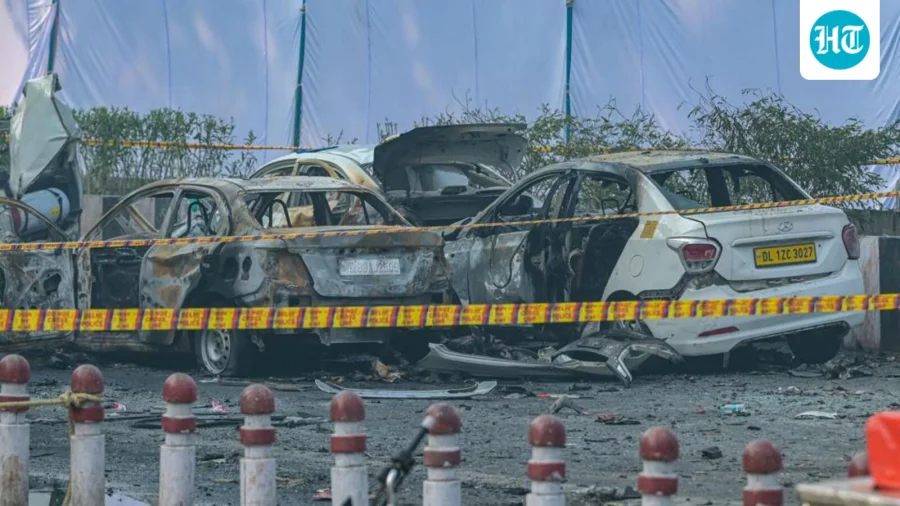
The court’s permission comes after the NIA completed its forensic and legal procedures related to the blast. The explosion, which occurred on November 10 last year, involved a vehicle-borne improvised explosive device (IED) that detonated near the Lal Quila Metro Station, killing at least 11 people and injuring several others. The remains had been kept in a mortuary pending investigation, leaving families in distress.
Why the delay mattered for grieving families
For the families, every day without the remains meant prolonged grief and uncertainty. In many Indian traditions, timely last rites are considered essential for the soul’s peace. The court’s decision to prioritise dignity in disposal addresses not just legal requirements but also the emotional and cultural needs of the bereaved.
Timeline of the Red Fort blast tragedy
The blast on November 10, 2024, sent shockwaves through the national capital. The IED, hidden in a vehicle, exploded near one of Delhi’s busiest metro stations, causing chaos and loss of life. The NIA took over the investigation, treating it as a terror attack. Over the following months, forensic teams worked to identify the victims and gather evidence, while families waited for answers.
Human impact: The long wait for closure
Behind the legal jargon are real people — families who lost breadwinners, children, and loved ones. Many had to travel repeatedly to Delhi, spending money and time, only to be told to wait. The court’s order now allows them to finally perform last rites, a small but significant step toward healing.
NIA’s role and the court’s reasoning
The NIA had approached the court seeking permission to dispose of the remains, citing that all necessary forensic examinations were complete. The court, in its order, emphasised the need to handle the remains with dignity, reflecting sensitivity to the victims’ families. The agency is expected to coordinate with families for the handover.
What the court order means for the investigation
While the disposal of remains marks a procedural milestone, the NIA’s investigation into the blast continues. The agency is probing the origins of the IED, the vehicle used, and possible links to terror networks. The court’s permission does not signal the end of the case but rather a step toward administrative closure.
Confirmed facts vs what remains unclear
Confirmed: The Delhi court has allowed the NIA to dispose of the remains of 11 Red Fort blast victims with dignity. The blast occurred on November 10, 2024, near Lal Quila Metro Station. The NIA has completed forensic procedures.
Unclear: The exact timeline for the handover of remains to families. Whether all families have been contacted. The status of the investigation into the perpetrators. No official statement from the NIA or court on further details has been released publicly.
Risks and balanced view
While the court’s order is a relief, some families may still face logistical challenges in claiming remains, especially if they are from outside Delhi. There is also the emotional toll of reopening wounds after months. Critics may question why the process took so long, though authorities cite thorough forensic work as necessary for justice.
Wider pattern: Delays in victim identification and closure
This case highlights a recurring issue in terror attack investigations in India — the long gap between the incident and the return of remains to families. Similar delays were seen in the 2019 Pulwama attack and the 2008 Mumbai attacks. The court’s intervention here sets a precedent for faster, more dignified handling of victims’ remains in future cases.
Practical guidance for affected families
Families of the victims should contact the NIA’s designated officer or the local police station for updates on the handover process. Legal aid may be available through district legal services authorities. It is advisable to keep identification documents ready for the formalities.
Future outlook
The NIA is expected to complete the disposal process within weeks. Meanwhile, the investigation into the blast continues, with possible arrests or charges in the coming months. The court’s order may also prompt a review of standard operating procedures for handling remains in terror cases.
Our Take
This court order is a quiet but significant act of humanity in a case marked by violence and loss. While the legal system often moves slowly, this decision shows that it can respond to the emotional needs of victims’ families. The focus on dignity — not just procedure — is a reminder that justice is not just about punishing the guilty, but also about healing the wounded. The NIA and the court deserve credit for this sensitivity, but the larger question of preventing such attacks remains unanswered.
Frequently Asked Questions
Why did the court allow the NIA to dispose of the victims’ remains?
The court permitted the disposal because the NIA had completed all forensic and legal procedures related to the blast. The order ensures the remains are handled with dignity, respecting the families’ need for closure.
What was the Red Fort blast?
The Red Fort blast occurred on November 10, 2024, when a vehicle-borne IED exploded near Lal Quila Metro Station in Delhi, killing 11 people and injuring several others. The NIA is investigating it as a terror attack.
How will families get the remains?
The NIA will coordinate with the families for the handover of remains. Families should contact the NIA or local police for specific instructions. The court has directed that the process be carried out with dignity.
Is the investigation over?
No, the investigation into the blast continues. The disposal of remains is a procedural step, not the conclusion of the case. The NIA is still probing the origins of the IED and possible links to terror networks.