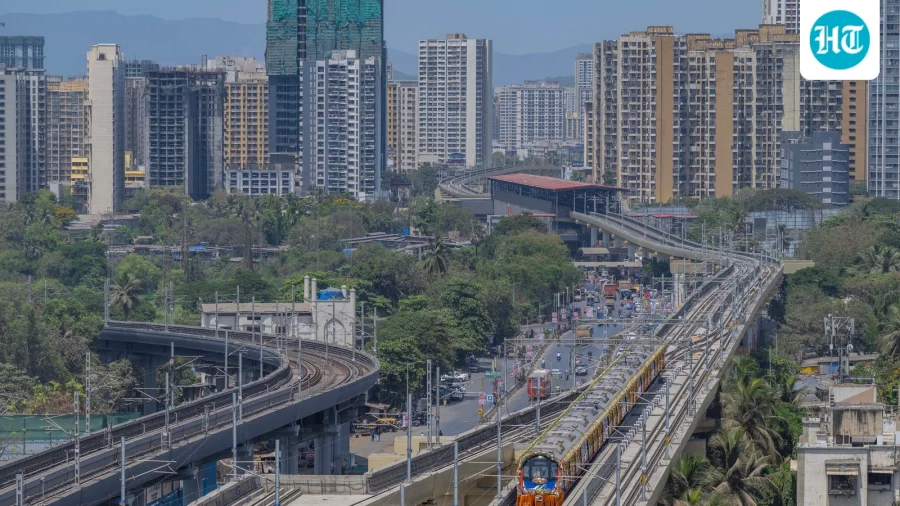
If you live in Dwarka, Rohini, or Karkardooma, your neighborhood might look very different in the coming years. The Delhi Development Authority (DDA) has identified 14 land parcels along Delhi Metro corridors for Transit-Oriented Development (TOD), a planning approach that could bring high-density housing, offices, and retail right next to metro stations. For millions of Delhi commuters, this could mean shorter travel times, better access to amenities, and a fundamental shift in how the city grows.
What Is Transit-Oriented Development and Why It Matters for Delhi
TOD sites are mixed-use urban zones built directly around or adjacent to major public transit hubs. Think of it as creating mini-cities within walking distance of metro stations — where you can live, work, shop, and relax without needing a car. For a city like Delhi, where traffic congestion and pollution are daily struggles, TOD offers a way to reduce dependence on private vehicles and make public transport the backbone of urban life.
The DDA’s move is part of a broader push to densify Delhi’s urban core along transit corridors, rather than sprawling outward. Officials familiar with the matter told Hindustan Times that the initial assessment of land availability has been completed, and the identified parcels are now being evaluated for feasibility.
Why This Matters Right Now
Delhi is growing, but its infrastructure is struggling to keep pace. Metro ridership is at an all-time high, yet many areas around stations remain underdeveloped or poorly connected. By identifying these 14 parcels, the DDA is signaling a shift toward more integrated, transit-friendly urban planning. For residents, this could mean new housing options, better local services, and higher property values near metro stations. For the city, it could mean reduced traffic, lower emissions, and more efficient use of land.
The timing is also critical. With the Delhi government pushing for investment hubs in Dwarka, Rohini, and Narela, TOD could provide the framework for sustainable, high-density growth that attracts businesses and improves quality of life.
How the Land Parcel Identification Unfolded
According to officials, the DDA conducted an initial assessment of land availability along Delhi Metro corridors, focusing on areas with high potential for mixed-use development. The 14 parcels identified are spread across Dwarka, Rohini, and Karkardooma — three key areas with existing metro connectivity and room for growth.
The assessment was part of a larger effort to implement the TOD policy, which the DDA has been developing for several years. The next steps will involve detailed planning, feasibility studies, and likely public consultations before any construction begins.
Who Is Affected and What Officials Said
The primary beneficiaries are residents and commuters in Dwarka, Rohini, and Karkardooma. These areas are already well-served by the Delhi Metro, but lack the kind of integrated development that TOD promises. For example, Dwarka is a massive residential suburb, but many residents still travel long distances for work and shopping. TOD could bring offices and retail closer to home.
Officials familiar with the matter, speaking to Hindustan Times, confirmed the identification of the parcels but declined to provide specific locations or timelines, citing ongoing evaluations. “The initial assessment is complete, but detailed planning will take time,” one official said.
What We Know So Far — and What Remains Unclear
What we know: The DDA has identified 14 land parcels along Delhi Metro corridors in Dwarka, Rohini, and Karkardooma for TOD. The move is part of a broader policy to promote high-density, mixed-use development near transit hubs.
What remains unclear: The exact locations of the parcels, the timeline for development, and the specific mix of housing, commercial, and retail spaces planned. It is also unclear how existing residents and businesses will be affected, and whether there will be displacement or rezoning.
Risks, Concerns, and Balanced View
While TOD offers many benefits, it also comes with risks. High-density development can lead to overcrowding, increased pressure on local infrastructure like water and electricity, and potential displacement of low-income residents. There are also concerns about whether the DDA can execute such a large-scale project efficiently, given its track record with previous urban development initiatives.
Critics argue that TOD, if not implemented carefully, could benefit developers more than residents, driving up property prices and pushing out existing communities. Supporters, however, point to successful TOD models in cities like Tokyo, Hong Kong, and Singapore, where transit hubs have become vibrant, livable neighborhoods.
The key will be balancing density with quality of life — ensuring that new developments include green spaces, affordable housing, and adequate public services.
Why Similar Trends Are Growing in Indian Cities
Delhi is not alone in embracing TOD. Cities like Mumbai, Bengaluru, and Hyderabad are also exploring transit-oriented development as a way to manage urban growth. The central government’s Smart Cities Mission and the Ministry of Housing and Urban Affairs have both promoted TOD as a key strategy for sustainable urbanization.
In Delhi, the push for TOD aligns with the LG’s plan to develop Dwarka, Rohini, and Narela as investment hubs, as reported by The Tribune. The idea is to create self-contained urban centers that reduce the need for long commutes and make public transport the primary mode of travel.
- Dwarka: Already a major residential hub, with potential for commercial and retail growth near metro stations.
- Rohini: A densely populated area with good metro connectivity, but limited mixed-use development.
- Karkardooma: A growing commercial and residential area, with the Karkardooma Court complex and nearby metro station.
“The initial assessment is complete, but detailed planning will take time.” — Official familiar with the matter, as reported by Hindustan Times
What Readers Should Know Now
If you live in or near Dwarka, Rohini, or Karkardooma, keep an eye on local DDA announcements. The identified parcels could lead to new housing projects, commercial spaces, and improved local infrastructure. For commuters, TOD could mean more convenient access to metro stations and better integration with other modes of transport.
For now, the process is in its early stages. The DDA will need to conduct feasibility studies, environmental assessments, and public consultations before any construction begins. Residents should participate in these consultations to ensure their voices are heard.
What Could Happen Next
Over the next 12–24 months, the DDA is expected to release more details about the specific parcels and their development plans. This could include zoning changes, requests for proposals from developers, and public hearings. If successful, the TOD projects could serve as a model for other parts of Delhi and other Indian cities.
However, the timeline could be delayed by bureaucratic hurdles, legal challenges, or funding issues. The DDA’s ability to execute this vision will depend on political will, administrative efficiency, and public support.
Our Take: Why This Story Matters Beyond One Development Plan
This isn’t just about 14 land parcels. It’s about how Delhi — and by extension, India — chooses to grow. For decades, Indian cities have expanded outward, creating sprawling suburbs that are car-dependent and poorly connected. TOD offers an alternative: denser, more connected, and more sustainable urban living.
The DDA’s move is a step in the right direction, but the devil will be in the details. Will the new developments include affordable housing? Will they preserve green spaces? Will they genuinely improve quality of life for ordinary residents, or just create new profit centers for developers?
These are questions that residents, activists, and policymakers must grapple with. For now, the identification of these parcels is a signal of intent. What happens next will determine whether Delhi’s TOD push becomes a success story or another missed opportunity.
FAQs
What is Transit-Oriented Development (TOD)?
TOD is a planning approach that creates high-density, mixed-use communities within walking distance of major public transit stations. It integrates housing, offices, retail, and public spaces to reduce car dependency and promote sustainable urban living.
Which areas in Delhi are affected by this DDA move?
The DDA has identified 14 land parcels along Delhi Metro corridors in Dwarka, Rohini, and Karkardooma for TOD. These areas are expected to see new high-density development near metro stations.
When will construction begin on these TOD projects?
The DDA has only completed the initial assessment of land availability. Detailed planning, feasibility studies, and public consultations are still needed. Construction is unlikely to begin for at least 12–24 months, if not longer.
Will TOD increase property prices in Dwarka, Rohini, and Karkardooma?
It’s possible. High-density development near transit hubs often leads to increased property values. However, the DDA could include affordable housing requirements to mitigate displacement and ensure that existing residents benefit from the development.