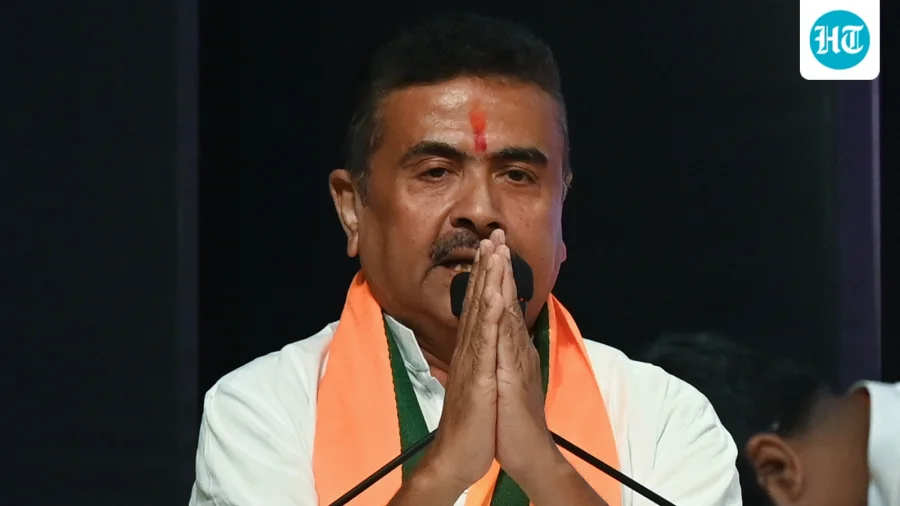
An email landed in police inboxes late Friday night. It threatened a suicide bomb attack on West Bengal Chief Minister Suvendu Adhikari. The sender claimed to have ties with Al Qaeda. Hours later, a man was arrested from Kolkata’s Garden Reach area. The threat, police now say, was a hoax. But the incident has sent a chill through the state’s political and security apparatus.
How the Threat Unfolded and the Arrest That Followed
The email, sent to the Kolkata Police, explicitly mentioned a suicide bomb attack on the West Bengal Chief Minister, invoking the terror outfit Al Qaeda. The threat was deemed serious enough to trigger an immediate joint investigation by the cyber cell and the Special Task Force (STF) of Kolkata Police. Within hours, the authorities tracked down the sender. Hasnain Iqbal, a resident of the Garden Reach area in Kolkata, was taken into custody on Friday night. According to a senior police officer, the investigation is ongoing, but initial assessments indicate the threat was a hoax.
Why This Matters Right Now
This incident is not just about one email. It highlights a growing vulnerability in the digital age: the ease with which individuals can create panic and disrupt public order using fake threats. For the public, it raises questions about the security of political leaders and the resources required to verify every such threat. For authorities, it underscores the challenge of balancing swift response with avoiding overreaction to hoaxes. The emotional toll on the public and the political class is real, even when the threat is fake.
Who Is Affected and What Officials Are Saying
The primary target was West Bengal Chief Minister Suvendu Adhikari, whose security detail was immediately alerted. The Kolkata Police, the STF, and the cyber cell were all mobilized. A senior officer confirmed the arrest, stating, “The man was arrested from Garden Reach for sending a suicide bomb threat email to the Chief Minister, mentioning Al Qaeda. We are investigating the matter further.” The public, particularly in Kolkata, has been left unsettled by the news, with many questioning how such threats can be prevented in the future.
What We Know So Far — and What Remains Unclear
What we know: An email threatening a suicide bomb attack on CM Suvendu Adhikari was sent to police. The email mentioned Al Qaeda. Hasnain Iqbal was arrested from Garden Reach, Kolkata, on Friday night. The police have classified the threat as a hoax.
What remains unclear: The exact motive behind the email. Whether Iqbal acted alone or was part of a larger network. The specific content of the email beyond the threat. The legal charges that will be filed against the accused. The full extent of the investigation into the sender’s digital footprint.
Risks, Concerns, and the Balanced View
The primary risk is the potential for copycat threats, especially in a politically charged environment. There is also the concern that real threats could be lost in a sea of hoaxes, leading to complacency. On the other hand, the swift arrest demonstrates the effectiveness of the police’s cyber monitoring capabilities. Critics might argue that the arrest was a knee-jerk reaction, but authorities maintain that any threat to a constitutional head must be taken seriously. The balanced view is that while the system worked in this case, the incident exposes a systemic vulnerability that needs addressing.
Why Similar Threats Are a Growing Concern
This incident is part of a broader pattern of digital threats targeting public figures in India. From bomb threats to fake social media accounts, the misuse of digital platforms for intimidation is on the rise. The ease of creating anonymous email accounts and the difficulty of tracing them in real-time makes this a persistent challenge. The mention of Al Qaeda, even in a hoax, adds a layer of terror that can cause widespread panic. This trend underscores the need for better digital literacy, stricter cyber laws, and more robust threat assessment protocols.
- The email was sent to the Kolkata Police, not directly to the CM’s office.
- The arrest was made within hours of the email being received.
- The Garden Reach area is a densely populated locality in Kolkata.
“A man was arrested from Kolkata’s Garden Reach area for allegedly sending an email to police threatening a suicide bomb attack on West Bengal Chief Minister Suvendu Adhikari with the help of terror outfit Al Qaeda.” — Senior Police Officer, as reported by Times of India
What Readers Should Know Now
For the general public, the key takeaway is to remain calm but vigilant. If you receive or see any suspicious online content, report it to the authorities immediately. For residents of Kolkata, there is no immediate threat to public safety. The police have the situation under control. For those interested in cybersecurity, this case is a textbook example of how digital forensics can be used to track down perpetrators. It also serves as a warning: sending fake threats is a serious crime with real consequences.
What Could Happen Next
Hasnain Iqbal will likely be produced in court and may face charges under the Indian Penal Code for criminal intimidation, hoax threats, and possibly under the Unlawful Activities (Prevention) Act if the Al Qaeda connection is probed further. The police will continue to investigate his digital history to see if he has any prior links to extremist content. The incident may also prompt a review of security protocols for the Chief Minister and other VIPs in the state. There could be a push for stricter laws against online hoaxes that disrupt public order.
Our Take: Why This Story Matters Beyond One Incident
This story is a stark reminder of how the digital world can intersect with real-world security in dangerous ways. It’s easy to dismiss a hoax as a prank, but the resources and anxiety it generates are very real. The fact that a single email could trigger a multi-agency response and cause public concern shows the fragile nature of our security ecosystem. While the police deserve credit for a swift arrest, the incident should spark a larger conversation about how we handle digital threats in an age where anyone with an internet connection can cause a crisis. The real story here is not the hoax itself, but the system’s response to it—and what that says about our preparedness for the future.
FAQs
Who sent the suicide bomb threat email to Bengal CM Suvendu Adhikari?
A man named Hasnain Iqbal, a resident of Kolkata’s Garden Reach area, was arrested for sending the email. Police have identified him as the sender.
Was the threat against Suvendu Adhikari real or a hoax?
According to the Kolkata Police, the threat was a hoax. Initial investigations suggest the email was a fake attempt to create panic.
What did the email to the West Bengal CM say?
The email threatened a suicide bomb attack on Chief Minister Suvendu Adhikari and mentioned the terror outfit Al Qaeda. The exact wording has not been released by police.
What legal action will be taken against the person who sent the threat email?
Hasnain Iqbal is expected to face charges including criminal intimidation and sending hoax threats. Further charges may be added based on the ongoing investigation.