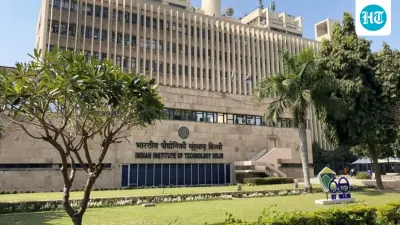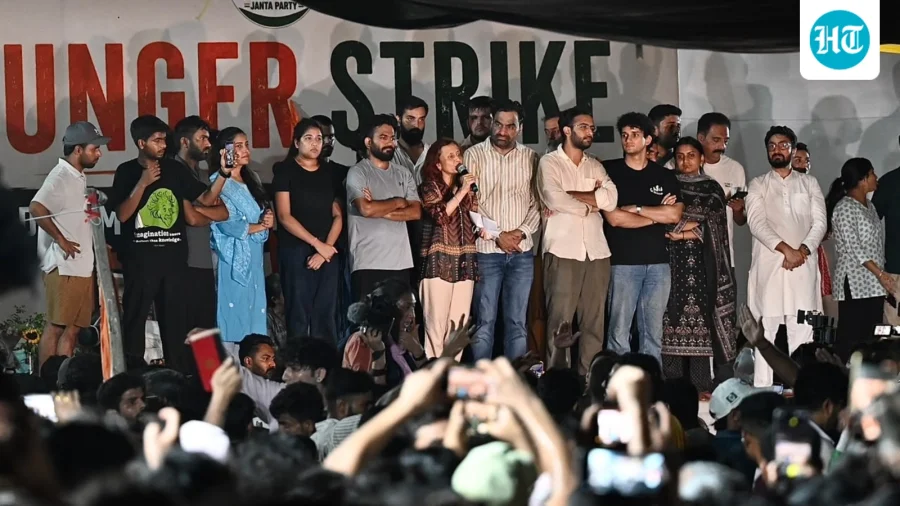
The convergence of the CJP protest with the opening day of Parliament has heightened security across the national capital. But with Delhi Police denying permission for the 'Sansad Chalo' march, the question on everyone's mind is: what happens when protesters are told they cannot march?
What the 'Sansad Chalo' March Means for Monday
The CJP's call for a march to Parliament on Monday was meant to draw attention to their demands. But the timing—coinciding with the first day of the Parliament session—has raised the stakes. Security agencies are on high alert, and the denial of permission has added a layer of uncertainty.
Why Delhi Police Said No
Officials have cited security concerns and the potential for disruption as reasons for denying permission. The opening day of Parliament is a high-security event, and any large gathering near the complex is seen as a risk. The police have made it clear that no permission has been granted for the march.
The Human Impact: Who Is Affected?
For the protesters, this denial is a setback. Many had planned to travel to Delhi specifically for this march. For residents and commuters in the national capital, Monday could mean traffic diversions, increased police presence, and potential disruptions. The tension is palpable.
What the CJP Has Said
The CJP has maintained that the march will go ahead as planned, despite the lack of permission. This sets up a potential confrontation between protesters and authorities. The group has called for peaceful protest, but the denial of permission complicates matters.
What Happens When Permission Is Denied?
Under Indian law, holding a protest without permission can lead to legal action, including arrests. However, the situation is rarely straightforward. Past protests have seen negotiations, last-minute permissions, or even standoffs. The outcome on Monday will depend on how both sides handle the situation.
Confirmed Facts vs What Remains Unclear
Confirmed: Delhi Police have denied permission for the CJP's 'Sansad Chalo' march on Monday. Security has been heightened across the national capital.
Unclear: Whether the CJP will proceed with the march despite the denial. The exact number of protesters expected. How the police will respond if protesters attempt to march.
Risks and Balanced View
From the authorities' perspective, denying permission is about maintaining security and order. From the protesters' perspective, it is about the right to peaceful assembly and expression. Both sides have valid concerns, but the denial of permission raises questions about the balance between security and democratic rights.
Wider Trend: Protests and Permission in India
This is not an isolated incident. Across India, protests are often denied permission, leading to tensions and legal battles. The 'Sansad Chalo' march is part of a larger pattern where the right to protest clashes with security concerns. The outcome on Monday could set a precedent for future protests.
Practical Guidance for Those Affected
If you are in Delhi on Monday, expect traffic diversions and increased police presence near Parliament. Avoid the area if possible. If you are a protester, be aware of the legal risks of participating in an unauthorized march. Stay informed through official channels.
Future Outlook: What Could Happen Next
Monday could see a range of outcomes: a peaceful march that is allowed to proceed despite the denial, a standoff between protesters and police, or legal action against participants. The situation is fluid, and much depends on how both sides choose to act.
Our Take
The 'Sansad Chalo' march is a test of India's democratic fabric. The right to protest is fundamental, but so is the need for security. The denial of permission does not end the matter—it merely shifts the question to how the state and citizens navigate this tension. Monday will be a day to watch.
Frequently Asked Questions
Why did Delhi Police deny permission for the CJP march?
Delhi Police cited security concerns, particularly the convergence of the protest with the opening day of Parliament, as the reason for denying permission.
Can the CJP still hold the march without permission?
Technically, holding an unauthorized march can lead to legal action, including arrests. However, past protests have sometimes proceeded despite denial, leading to negotiations or standoffs.
What should I do if I am in Delhi on Monday?
Avoid the Parliament area if possible. Expect traffic diversions and increased police presence. Stay updated through official news sources.
What happens if protesters try to march anyway?
Police may attempt to stop the march, which could lead to detentions or arrests. The exact response will depend on the situation on the ground.