The Lok Sabha was meant to debate a law to curb the menace of paper leaks—a crisis that has shattered the dreams of thousands of students. Instead, the House erupted over a single, incendiary word: 'अय्याश'.
The Remark That Stopped the House
BJP MP from Jharkhand's Godda, Nishikant Dubе, while speaking in the Lok Sabha, referred to India's first Prime Minister Jawaharlal Nehru as 'अय्याश' (womaniser). He reportedly said, "I have written it in my book, and I say it even today—Nehru was a womaniser, so he was a womaniser." The comment was a direct, personal attack on a figure who remains deeply revered by the Congress party and a significant section of the Indian polity.
Why This Derailed the Anti-Paper Leak Bill
The timing of the remark was critical. The government had listed the anti-paper leak bill for discussion, a piece of legislation aimed at addressing a pressing national issue that affects lakhs of students appearing for competitive exams. The Opposition's immediate and furious reaction to Dubе's comment meant that the scheduled legislative business was pushed aside. Instead of debating solutions for student distress, the House was consumed by a political and historical slugfest.
The Context: A History of Controversial Remarks
This is not the first time Nishikant Dubе has made headlines for his comments on Nehru. He has previously written a book and made public statements criticizing the former Prime Minister. However, bringing this specific, personal characterization into the well of the House—where legislative business is conducted—was seen by the Opposition as a deliberate provocation designed to disrupt proceedings.
Who Is Affected by This Parliamentary Logjam
The immediate losers are the students and citizens awaiting the passage of the anti-paper leak bill. Every minute spent on political point-scoring is a minute not spent on crafting laws that impact daily life. The Opposition MPs, particularly from the Congress, felt compelled to defend the legacy of their iconic leader. The ruling party MPs, in turn, had to manage the fallout of their colleague's statement. The ultimate casualty was the productivity of the Parliament itself.
Official Response and the Speaker's Challenge
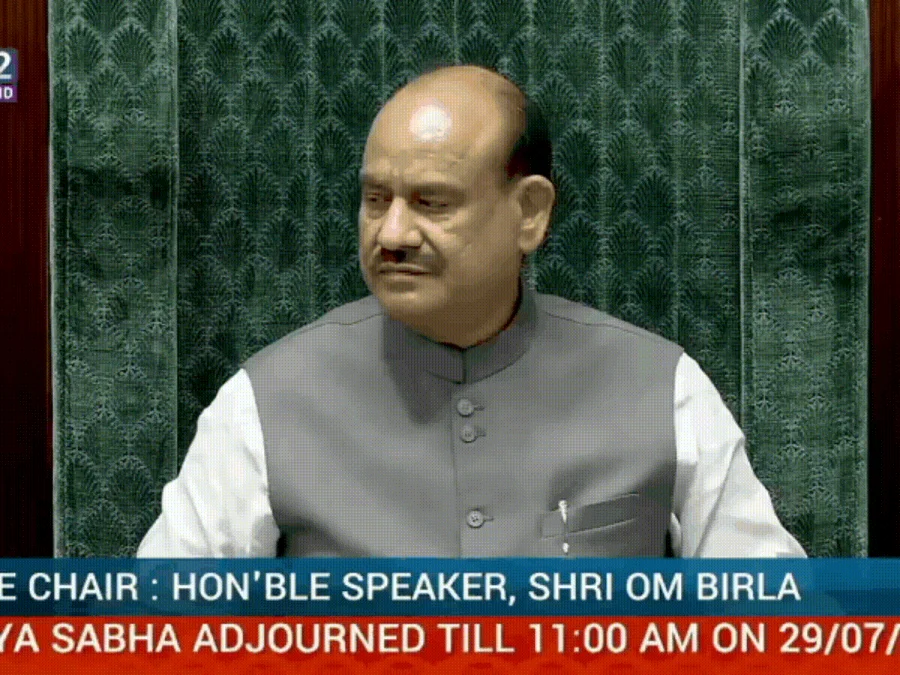
While no official statement has been issued by the government or the BJP leadership condemning the remark, the Speaker of the Lok Sabha was forced to repeatedly appeal for order. The Opposition demanded an immediate apology and a retraction from Dubе. The ruling party's strategy appeared to be one of damage control, attempting to move the House back to its listed agenda, but the Opposition was not willing to let the matter pass.
What the 'अय्याश' Remark Really Means in This Context
The word 'अय्याश' carries a heavy, derogatory connotation in Hindi, implying moral laxity and debauchery. Using it for a national figure like Nehru, regardless of one's political views, is a deliberate escalation in political rhetoric. It moves the debate from policy differences to personal character assassination, a tactic that often leads to a complete breakdown of parliamentary decorum.
Confirmed Facts vs What Remains Unclear
Confirmed: Nishikant Dubе used the word 'अय्याश' for Jawaharlal Nehru in the Lok Sabha. The House witnessed a major uproar, and the scheduled debate on the anti-paper leak bill was disrupted. Unclear: Whether the BJP leadership will formally ask Dubе to apologize. Whether the anti-paper leak bill will be taken up again in this session. Whether any formal action (like a privilege motion) will be moved against the MP.
The Pattern of Disruption in Indian Parliament
This incident fits a larger, troubling pattern in Indian parliamentary democracy. Key legislative business is often derailed by controversial statements, walkouts, or sloganeering. The anti-paper leak bill, which has broad political support in principle, became a victim of this cycle. The focus shifts from solving problems to scoring political points, leaving the public's work undone.
What Citizens and Students Should Watch For
For students who were hoping for a strong law against paper leaks, this development is a setback. They should watch for the next sitting of the Lok Sabha to see if the bill is re-listed. For the general public, this incident is a reminder of how personal attacks can derail national priorities. Following the official Lok Sabha TV feed or reliable news sources is the best way to track the actual legislative progress.
Future Outlook: What Happens Next
The immediate future will likely see the Opposition raising the issue again, demanding action against Dubе. The ruling party may try to isolate the MP's comment as a personal view. The anti-paper leak bill's fate hangs in the balance. If the logjam continues, the government may need to bring a motion to suspend the MP or issue a clear statement to restore normalcy. The winter session's productivity is now under a cloud.
Our Take
This episode is a textbook case of how Indian Parliament often fails its primary duty: legislation. While the remark by Nishikant Dubе was undoubtedly provocative, the Opposition's decision to completely stall the House over it, rather than isolating the comment and moving on to the bill, also deserves scrutiny. The real losers are the citizens who expect their elected representatives to solve problems, not create new ones. The anti-paper leak bill is too important to be held hostage by a single, inflammatory remark. Both sides need to find a way to separate personal attacks from legislative business.
Frequently Asked Questions
What exactly did Nishikant Dubе say in Parliament?
BJP MP Nishikant Dubе referred to former Prime Minister Jawaharlal Nehru as 'अय्याश' (womaniser) during a speech in the Lok Sabha, citing his own book. This sparked an immediate uproar from the Opposition.
Why did this remark derail the anti-paper leak bill?
The Opposition parties, particularly the Congress, demanded an apology and a retraction, leading to a complete halt in proceedings. The scheduled debate on the anti-paper leak bill was postponed as the House was consumed by the controversy.
Has Nishikant Dubе made similar comments before?
Yes, Dubе has a history of making controversial statements about Jawaharlal Nehru, including in his book and previous public speeches. This is not his first comment on the subject.
What is the anti-paper leak bill?
The bill is a proposed law aimed at preventing the leakage of question papers for competitive exams, a major issue affecting students across India. It seeks to impose strict penalties on those involved in such malpractices.