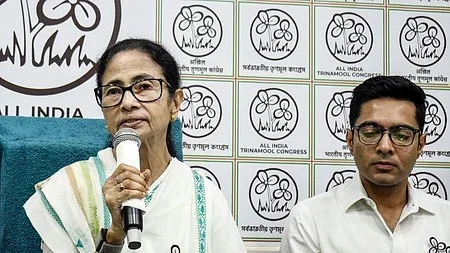
The Calcutta High Court on Friday directed former West Bengal Chief Minister Mamata Banerjee and Trinamool Congress general secretary Abhishek Banerjee to file affidavits in a contempt case linked to the party’s Martyrs’ Day rally in Kolkata last year. The order, passed by a division bench of Justice Arijit Banerjee and Justice Apurba Sinha Roy, escalates a legal battle that could have significant political and legal implications for the ruling party in West Bengal.
What the Court Ordered
The bench directed both leaders to submit their affidavits in response to contempt notices issued on June 19, 2025. The notices were served after a petition alleged that the TMC’s annual rally on July 21, 2025, violated a 2018 high court ruling. That ruling prohibited political parties from blocking major roads or causing public inconvenience during rallies. The court’s latest order requires the affidavits to detail the party’s compliance with the earlier directive.
Why This Case Matters for West Bengal Politics
This contempt case is not just a legal formality—it strikes at the heart of political accountability in West Bengal. The 2018 ruling was intended to balance the right to protest with public convenience, especially in a city like Kolkata, where political rallies often disrupt daily life. If the court finds the TMC violated the order, it could set a precedent for how political parties conduct mass gatherings. For Mamata Banerjee, a seasoned politician who has often clashed with the judiciary, this case adds to a growing list of legal challenges.
Background: The 2018 Ruling and the Rally
The 2018 Calcutta High Court order was a landmark decision aimed at curbing the chaos caused by political rallies. It specifically barred parties from blocking arterial roads, ensuring that emergency services and commuters were not unduly affected. The TMC’s Martyrs’ Day rally, held annually to commemorate party workers killed in political violence, drew massive crowds in July 2025. The petition before the court alleges that the rally ignored these restrictions, leading to widespread traffic jams and public inconvenience.
Who Is Affected by This Case?
Beyond the political leaders, this case affects ordinary citizens of Kolkata who endure frequent disruptions during political events. Commuters, small business owners, and emergency service providers have long complained about the lack of regulation. If the court enforces the 2018 order strictly, it could bring relief to millions. Conversely, a ruling against the TMC could embolden opposition parties to challenge other rallies, potentially reshaping political campaigning in the state.
Official Responses and Legal Arguments
Neither Mamata Banerjee nor Abhishek Banerjee has publicly commented on the court’s latest order. However, TMC spokespersons have previously argued that the rally was conducted peacefully and within legal bounds. The petition, filed by a local resident, claims that the rally violated the 2018 order by blocking key intersections. The court has not yet ruled on the merits of the case, but the affidavit requirement suggests it is taking the allegations seriously.
What the Affidavits Will Reveal
The affidavits are expected to provide a detailed account of the rally’s planning and execution. They may include evidence such as route maps, police permissions, and crowd management measures. The court will scrutinize these documents to determine if the TMC made a genuine effort to comply with the 2018 order. Legal experts say the outcome hinges on whether the party can prove it took reasonable steps to avoid public disruption.
Confirmed Facts vs What Remains Unclear
Confirmed: The Calcutta High Court issued contempt notices on June 19, 2025, to Mamata Banerjee and Abhishek Banerjee. The court ordered affidavits on July 3, 2026. The 2018 ruling prohibits blocking major roads. Unclear: Whether the rally actually violated the 2018 order. The specific details of the alleged violations—such as which roads were blocked and for how long—are not yet public. The court’s final decision on the contempt case is pending.
Risks and Balanced View
Critics argue that the contempt case could be seen as judicial overreach into political activities, especially given the TMC’s strained relations with the judiciary. Supporters of the court say it is merely enforcing a reasonable order to protect public interest. There is also a risk that the case could be politicized, with both sides using it to score points ahead of elections. The court must navigate these tensions carefully to maintain its credibility.
Wider Trend: Judiciary vs Political Rallies in India
This case is part of a broader trend where Indian courts are increasingly regulating political rallies to ensure public order. In recent years, high courts in Delhi, Mumbai, and Bengaluru have issued similar directives. The Calcutta High Court’s 2018 ruling was one of the earliest, and its enforcement could influence how other states handle political gatherings. This reflects a growing judicial focus on balancing fundamental rights with civic responsibilities.
Practical Guidance for Citizens
For residents of Kolkata, this case is a reminder to document instances of public inconvenience during political rallies. Citizens can file complaints with local police or approach the high court if they believe a rally violates existing orders. For political parties, the case underscores the need for meticulous planning to avoid legal trouble. Engaging with local authorities and obtaining prior permissions can mitigate risks.
Future Outlook
The next hearing will likely focus on the affidavits, with the court deciding whether to proceed with contempt proceedings or dismiss the case. If the court finds a violation, it could impose fines or even issue a reprimand. However, given the political sensitivity, a compromise or settlement is also possible. The case may take months to resolve, but its implications for political accountability in West Bengal are immediate.
Our Take
This contempt case is a critical test of judicial authority in West Bengal. While the court’s intent to enforce public order is commendable, it must ensure that its actions are not perceived as politically motivated. The TMC, for its part, should use this opportunity to demonstrate compliance with legal norms. For the public, this case is a reminder that the right to protest comes with responsibilities. The outcome will likely shape how political rallies are conducted in the state for years to come.
Frequently Asked Questions
What is the Calcutta High Court contempt case against Mamata Banerjee and Abhishek Banerjee?
The case alleges that the TMC’s Martyrs’ Day rally on July 21, 2025, violated a 2018 high court order that prohibits political parties from blocking major roads or causing public inconvenience. The court has issued contempt notices and ordered affidavits from both leaders.
Why was the 2018 Calcutta High Court ruling important?
The 2018 ruling was designed to balance the right to political protest with public convenience. It specifically barred parties from blocking arterial roads, ensuring that emergency services and commuters were not disrupted during rallies.
What happens next in the contempt case?
Mamata Banerjee and Abhishek Banerjee must file affidavits detailing their compliance with the 2018 order. The court will then review these documents and decide whether to proceed with contempt proceedings or dismiss the case.
How does this case affect ordinary citizens in Kolkata?
If the court enforces the 2018 order strictly, it could reduce traffic disruptions during political rallies, benefiting commuters, small businesses, and emergency services. The case also sets a precedent for how political gatherings are regulated in the city.