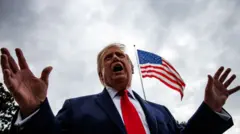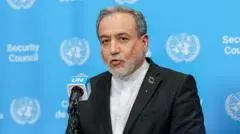
The deal to end fighting and reopen the Strait of Hormuz has left the sides exactly where they were 24 hours before the war began — only now, thousands are dead. The ceasefire, brokered after weeks of intense conflict, marks a moment of exhaustion rather than victory, and it has exposed something deeper: the limits of American military dominance in a region that refuses to be subdued.
What the ceasefire actually achieved
The agreement, announced late on Sunday, restores navigation through the Strait of Hormuz, a chokepoint for about 20% of the world's oil supply. But the core dispute — Iran's nuclear program and US demands for its dismantlement — remains untouched. Neither side has shifted its red lines, and the war has only hardened positions.
Why this war was different from previous US interventions
Unlike the quick victories in Iraq in 1991 or the initial phases of the 2003 invasion, this conflict dragged on without a clear military resolution. Iran's use of asymmetric tactics — including drone strikes, proxy forces, and attacks on shipping — proved difficult for the US military to counter decisively. The war revealed that even the world's most advanced military cannot easily impose its will on a determined, networked adversary.
Timeline of a war that changed nothing
The conflict began in early June after a series of escalating incidents in the Persian Gulf. Within weeks, the Strait of Hormuz was effectively closed, oil prices spiked, and global markets shuddered. The US launched airstrikes on Iranian military installations, but Iran retaliated with attacks on US allies and commercial vessels. By late July, both sides were seeking an off-ramp. The ceasefire, negotiated through Omani intermediaries, essentially resets the clock to the pre-war status quo — minus thousands of lives.
Who paid the price
The human cost has been staggering. Civilian casualties in Iran, Iraq, and Yemen have mounted, with hospitals overwhelmed and displacement widespread. In the Gulf states, the closure of the Strait disrupted food and medicine imports, hitting the most vulnerable hardest. For ordinary Iranians, already under severe economic sanctions, the war deepened a humanitarian crisis. The deal brings relief, but no justice or accountability for the dead.
Trump administration's response and the nuclear question
The White House has not detailed the terms of the ceasefire, but officials have framed it as a tactical pause rather than a strategic shift. The nuclear issue — the original casus belli — remains unresolved. Iran continues to enrich uranium at near-weapons-grade levels, and the US insists on full dismantlement. Without a diplomatic framework, the ceasefire is a truce, not a peace.
What the war revealed about US power
Jeremy Bowen, the BBC's veteran Middle East editor, argues that this war exposed a fundamental shift. "For decades, the US could project overwhelming force and expect results. In this conflict, Iran demonstrated that military dominance has limits when the opponent is willing to absorb punishment and fight asymmetrically," he writes. The war also highlighted the erosion of US influence among traditional allies in the Gulf, who grew wary of being drawn into a conflict they could not control.
Confirmed facts vs what remains unclear
What is confirmed: the ceasefire is in effect, the Strait of Hormuz is open, and thousands have died. What remains unclear: the exact terms of the deal, whether Iran has agreed to any nuclear restrictions, and whether the US will lift any sanctions. Speculation that the deal includes a secret protocol on uranium enrichment is unverified. The absence of a formal peace process leaves the region in a dangerous limbo.
Why Iran's strategy mattered
Iran's ability to disrupt global oil flows and strike US allies through proxies gave it leverage far beyond its conventional military strength. This network effect — built over decades through ties with Hezbollah, Hamas, the Houthis, and Iraqi militias — turned a regional power into a global disruptor. The war proved that Iran's asymmetric capabilities are a strategic asset that cannot be bombed away.
Risks and balanced view of the ceasefire
The ceasefire is a fragile achievement. Critics argue it rewards Iranian aggression and leaves the nuclear program unchecked. Supporters say it prevents a wider regional war and spares further civilian suffering. The risk of renewed conflict is high: without a diplomatic track, any incident — a stray missile, a tanker seizure, a proxy attack — could reignite hostilities. The war also deepened the humanitarian crisis in Iran, and the deal does not address sanctions relief.
Wider pattern: the end of US unipolarity in the Middle East
This war fits a broader trend. From Afghanistan to Iraq to Syria, US military interventions have yielded diminishing returns. The rise of drone warfare, cyber attacks, and proxy networks has leveled the playing field. The Iran war may be remembered as the moment when the limits of American power became undeniable — not because the US lost, but because it could not win decisively.
What readers should understand about the region now
For those watching from India or elsewhere, the key takeaway is that the Middle East remains a tinderbox. Oil prices will stabilize in the short term, but the underlying volatility persists. Investors should watch for any signs of diplomatic progress or renewed tensions. For students of geopolitics, this war is a case study in how asymmetric warfare and networked alliances can check conventional military superiority.
Future outlook: what could happen next
The most likely scenario is a cold peace — neither side willing to restart full-scale war, but no agreement on the nuclear issue either. A less likely but dangerous possibility is a collapse of the ceasefire, triggered by a miscalculation or a proxy escalation. The best-case outcome would be a renewed diplomatic process, possibly involving European or Chinese mediation, but there is no sign of that yet. The war has left both sides exhausted, but not reconciled.
Our Take
This war was a tragedy of strategic miscalculation. The Trump administration believed that overwhelming force could compel Iran to capitulate. Iran believed it could outlast the US through attrition. Both were wrong, and thousands paid the price. The ceasefire is not a victory for anyone — it is a recognition that war, in this case, could not achieve its objectives. The real lesson is that in the 21st century, military dominance is no longer a guarantee of political outcomes. The Middle East has changed, and so has the nature of power.
Frequently Asked Questions
What is the Iran deal that ended Trump's war?
The deal is a ceasefire agreement between the US and Iran that ended active hostilities and reopened the Strait of Hormuz to international shipping. It does not address the nuclear issue.
Why did the war reveal the limit of US dominance?
Iran's use of asymmetric tactics — drones, proxies, and attacks on shipping — proved difficult for the US military to counter decisively, showing that even the world's most advanced military cannot easily impose its will on a determined adversary.
What is the Strait of Hormuz and why does it matter?
The Strait of Hormuz is a narrow waterway between the Persian Gulf and the Gulf of Oman, through which about 20% of the world's oil passes. Its closure during the war caused global oil prices to spike.
Is the nuclear issue resolved by this deal?
No. The nuclear issue remains unresolved, with Iran continuing uranium enrichment and the US demanding full dismantlement. The ceasefire is a truce, not a peace agreement.