What happens when a CEO decides the people responsible for workplace culture are actually the source of the problem? For Bolt CEO Ryan Breslow, the answer was simple: fire them all.
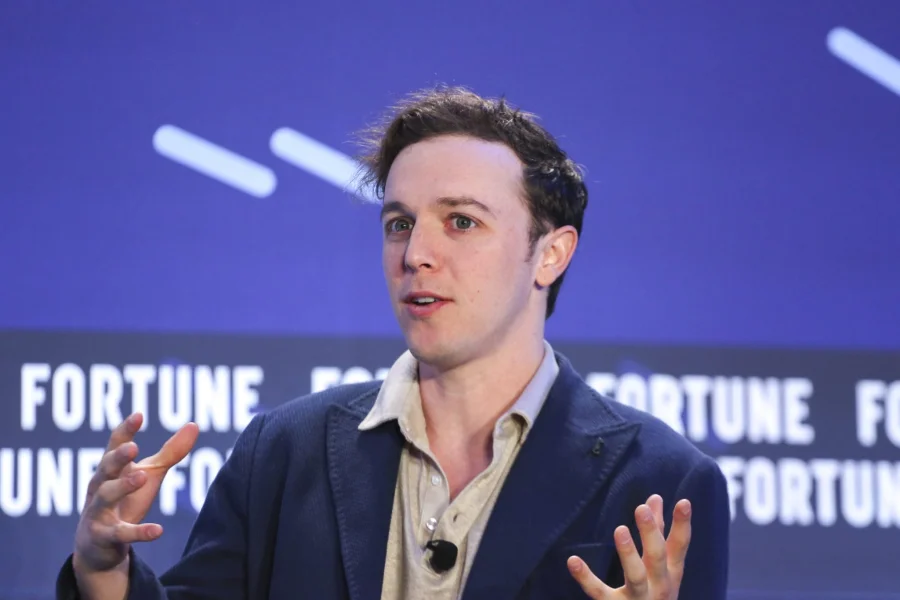
Speaking at Fortune's Workforce Innovation Summit on Tuesday, the 31-year-old founder made a startling admission that has since sparked intense debate across the business world. He eliminated his company's entire human resources department — and claims the move solved problems that never should have existed in the first place.
Why This Matters Right Now
This isn't just another corporate restructuring story. Breslow's decision strikes at the heart of a growing tension in modern workplaces: Are HR departments genuinely protecting employees, or have they become bureaucratic machines that create friction where none existed?
For thousands of employees at startups and established companies alike, this question carries real weight. If a CEO can publicly declare that HR teams manufacture problems, it signals a potential shift in how companies view — and treat — their workforce infrastructure.
How the Decision Unfolded
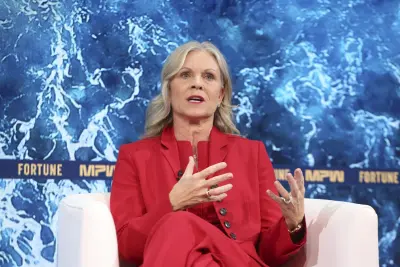
Breslow made the remarks during a candid conversation with Fortune editorial director Kristin Stoller at the Workforce Innovation Summit. The Bolt CEO didn't mince words when describing his reasoning.
"We had an HR team, and that HR team was creating problems that didn't exist," Breslow said. "Those problems disappeared when I let them go."
The move is part of a broader restructuring at Bolt, the fintech company Breslow co-founded in 2014 from his Stanford dorm room. The startup, which once soared to an $11 billion valuation, recently laid off roughly 30% of its employees as part of an aggressive cost-cutting and turnaround strategy.
Who Is Affected and What Officials Are Saying
The immediate impact falls on former Bolt employees who lost their jobs — both the HR team members and the 30% of staff affected by the broader layoffs. But the ripple effects extend far beyond the company's walls.
HR professionals across the industry have reacted with alarm, arguing that Breslow's characterization unfairly paints an entire profession as unnecessary. Employee advocates warn that eliminating HR removes a critical buffer between management and workers, potentially leaving employees vulnerable to unfair treatment.
Breslow, however, framed the decision as essential for Bolt's survival. He described the HR team as an impediment to the lean, agile culture he wants to rebuild at the struggling fintech company.
What We Know So Far — and What Remains Unclear
What we know:
- Bolt CEO Ryan Breslow publicly stated he fired the entire HR team
- He claims the HR team was creating problems that didn't exist
- The move is part of broader layoffs affecting roughly 30% of employees
- Bolt was valued at $11 billion but has faced significant challenges
What remains unclear:
- Exactly what "problems" the HR team was allegedly creating
- How Bolt now handles employee relations, hiring, compliance, and payroll without an HR department
- Whether other companies will follow a similar approach
- The long-term impact on Bolt's workplace culture and legal exposure
Risks, Concerns, and the Balanced View
Eliminating an entire HR department carries significant risks that go beyond workplace morale.
Legal exposure: HR departments play a critical role in ensuring compliance with labor laws, workplace safety regulations, anti-discrimination statutes, and wage requirements. Without dedicated HR professionals, companies face increased vulnerability to lawsuits and regulatory penalties.
Employee protection: HR often serves as the first point of contact for employees facing harassment, discrimination, or unfair treatment. Removing that channel can leave workers without a safe way to raise concerns.
Hiring and retention: Without HR, recruitment, onboarding, benefits administration, and performance management become fragmented responsibilities — often falling on already overburdened managers.
The counterargument: Some startup founders argue that traditional HR departments can become overly bureaucratic, creating layers of process that slow down decision-making and innovation. In a lean startup environment, distributing HR responsibilities across leadership teams can sometimes be more efficient — though it requires careful implementation.
Why Similar Trends or Concerns Are Growing
Breslow isn't the first CEO to question the value of traditional HR structures. In recent years, several high-profile tech companies have experimented with "people operations" models that minimize traditional HR functions in favor of data-driven approaches.
The debate reflects a broader tension in the startup world: the desire for agility and speed versus the need for structure and employee protection. As companies face pressure to cut costs in a challenging economic environment, HR departments are increasingly being scrutinized for their return on investment.
"We had an HR team, and that HR team was creating problems that didn't exist. Those problems disappeared when I let them go." — Ryan Breslow, Bolt CEO, speaking at Fortune's Workforce Innovation Summit
What Readers, Users, or Investors Should Know Now
For employees at startups or companies considering similar moves, this story serves as a warning sign. If your company eliminates its HR department, understand what protections you lose — and who you can turn to if issues arise.
For investors, Breslow's approach signals a high-risk, high-reward strategy. If Bolt succeeds in building a leaner, more efficient culture without HR, it could become a case study. If it fails — particularly due to legal or cultural problems — it will serve as a cautionary tale.
For HR professionals, this moment highlights the need to demonstrate clear, measurable value beyond compliance and process. The question "What would happen if we eliminated HR?" is one every HR team should be prepared to answer.
What Could Happen Next
Bolt's experiment will be closely watched by the business community. If the company faces legal challenges, employee lawsuits, or cultural breakdowns in the coming months, it could reinforce the importance of HR functions. If Bolt stabilizes and grows without an HR department, other cash-strapped startups may consider similar moves.
Regulatory scrutiny is also possible. Labor authorities may take interest in how Bolt handles compliance without dedicated HR professionals.
Our Take: Why This Story Matters Beyond One Incident
Breslow's comments are provocative, but they reflect a real frustration that many founders feel: that support functions can sometimes become self-serving bureaucracies. However, the solution isn't necessarily elimination — it's redesign.
The best HR teams don't just enforce rules; they enable growth, protect culture, and safeguard both the company and its people. The question Bolt's story raises isn't whether HR matters — it's whether the traditional HR model is serving modern companies effectively.
For now, Breslow's bet is that no HR is better than bad HR. Whether that bet pays off will determine whether this becomes a trend or a cautionary tale.
FAQs
Why did Bolt CEO Ryan Breslow fire the entire HR team?
Breslow stated that the HR team was "creating problems that didn't exist" and that those problems "disappeared" after he let them go. He believes the move is necessary to rebuild a lean, agile culture at the struggling fintech company.
What are the risks of eliminating an HR department?
Eliminating HR increases legal exposure related to labor law compliance, workplace safety, and anti-discrimination regulations. It also removes a critical channel for employees to raise concerns and can complicate hiring, benefits administration, and performance management.
Is Bolt the only company to eliminate its HR team?
No. Some tech startups and companies have experimented with alternative "people operations" models that minimize traditional HR functions. However, publicly announcing the complete elimination of HR — and blaming the team for creating problems — is highly unusual and has drawn significant attention.
How does Bolt handle employee issues without an HR department?
It remains unclear how Bolt now manages employee relations, compliance, and hiring without dedicated HR professionals. The company has not publicly detailed its new structure for handling these functions.