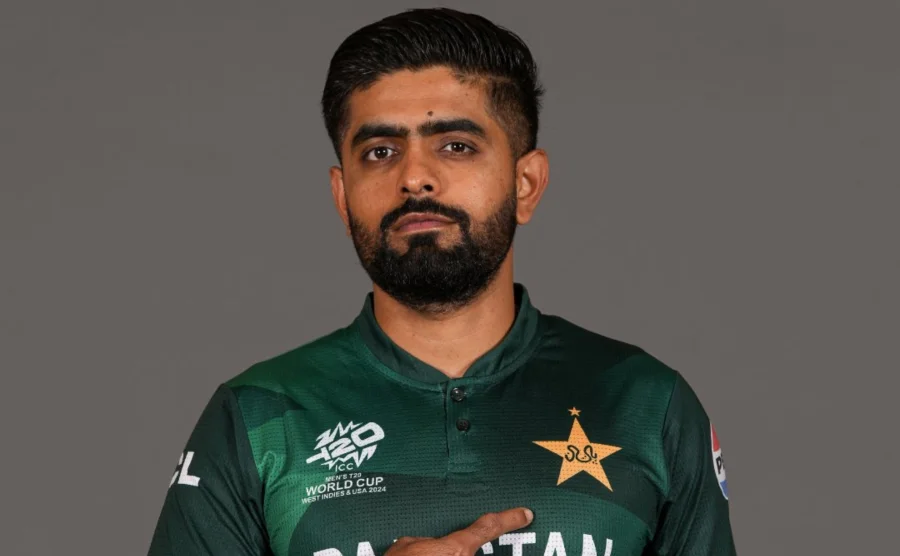
Babar Azam, Pakistan's premier batter and former captain across all formats, has reportedly set a firm condition before agreeing to return as Test captain: he wants the job only if it comes with the promise of leadership across ODIs and T20Is as well.
The development, reported by multiple media outlets, comes at a time when Pakistan's Test cricket is struggling under Shan Masood's captaincy. The team has lost five of its last six Tests, including a humiliating 2-0 home series defeat to Bangladesh — a result that triggered urgent discussions within the PCB selection committee.
Why Babar Azam Demands Full Captaincy Control
According to reports, Babar made it clear to PCB selectors that he would only accept the Test captaincy if he was eventually granted leadership across all three formats once again. The demand reflects his belief that unified captaincy brings stability and clarity to the team's direction.
Babar previously led Pakistan in all formats from 2020 until late 2023, when he stepped down after the ODI World Cup. Since then, Pakistan's captaincy has been split — Shan Masood in Tests, Babar himself in ODIs and T20Is initially, before being replaced by Mohammad Rizwan in white-ball formats.
The Shan Masood Era: A Test Captaincy Under Pressure
Shan Masood took over the Test captaincy in late 2023 after Babar's resignation. His tenure has been marked by poor results. Under his leadership, Pakistan lost a home series to Bangladesh for the first time in history, drew a series in Australia, and suffered defeats in South Africa.
The PCB's decision to approach Babar signals a lack of confidence in Masood's ability to turn around the Test side. However, Babar's condition complicates the situation — the board must now weigh the benefits of his return against the demand for all-format control.
What This Means for Pakistan's Captaincy Structure
If the PCB accepts Babar's condition, it would mean reverting to a single captain across all formats — a model that has both supporters and critics. Proponents argue it brings consistency and a clear vision. Critics point to the burnout risk and the pressure of leading across formats in modern cricket's demanding schedule.
For Babar, the demand is also about personal legacy. At 30, he is entering the peak years of his career. Leading Pakistan across formats would allow him to shape the team's identity and potentially cement his place as one of Pakistan's greatest captains.
PCB's Dilemma: Accept or Explore Alternatives
The PCB now faces a critical decision. Accepting Babar's condition means sidelining Shan Masood and potentially disrupting the current white-ball leadership structure. Rejecting it means continuing with a fragmented captaincy model or finding another Test captain.
Reports suggest that the PCB selection committee is divided on the issue. Some members favor Babar's return unconditionally, while others believe the board should not be dictated to by a player's demands. No official statement has been issued by the PCB or Babar's camp.
Confirmed Facts vs What Remains Unclear
Confirmed Facts: Babar Azam has been approached by PCB selectors to take over Test captaincy. Shan Masood's Test captaincy tenure has been underperforming. Babar has reportedly set a condition regarding all-format captaincy.
What Remains Unclear: Whether the PCB will accept Babar's condition. Whether Shan Masood will be removed or retained in some capacity. Whether Babar's demand is a firm ultimatum or a negotiable preference. No official confirmation from PCB or Babar Azam.
Risks and Balanced View
Babar's return as all-format captain carries risks. His own form has been inconsistent in Test cricket — he has not scored a Test century since 2022. The pressure of captaincy across formats could affect his batting. Critics also argue that Babar's previous captaincy tenure ended amid dressing room tensions and tactical criticism.
On the other hand, supporters point to his record as Pakistan's most successful T20I captain and his ability to inspire the team. They argue that unified leadership is essential for Pakistan to build a coherent Test identity.
Wider Trend: The Return of All-Format Captains in World Cricket
Babar's demand reflects a broader trend in world cricket. Several teams have moved back to unified captaincy models — India with Rohit Sharma, Australia with Pat Cummins (across formats until his ODI retirement), and England with Ben Stokes. The logic is simple: one captain, one vision, less confusion.
However, the trend is not universal. Teams like New Zealand and South Africa have successfully used split captaincy. The debate over unified vs split leadership remains one of cricket's most persistent strategic questions.
Practical Reader Guidance: What Fans Should Watch For
For Pakistan cricket fans, the next few weeks will be crucial. Watch for official statements from the PCB, particularly after the upcoming Test series. If Babar is named Test captain without a clear all-format commitment, it may indicate a compromise. If the PCB announces a unified captaincy structure, Babar's condition has been accepted.
Fans should also monitor Shan Masood's role. If he is retained in the squad but stripped of captaincy, it could create tension. If he is dropped entirely, it signals a clean break.
Future Outlook: What Could Happen Next
Three scenarios are possible. First, the PCB accepts Babar's condition and he becomes all-format captain again. Second, the PCB rejects the condition and Babar stays out of Test captaincy, forcing the board to find another option. Third, a compromise is reached — Babar takes Test captaincy with a promise to review all-format leadership after a set period.
Each scenario carries different implications for Pakistan's cricket future. The decision will likely be made before Pakistan's next Test assignment, which is a home series against England in October 2024.
Our Take
Babar Azam's condition is both a power play and a statement of intent. He clearly believes that fragmented leadership has hurt Pakistan's Test cricket and that his return must come with full authority. Whether the PCB agrees will reveal much about the board's current thinking — and about Babar's standing within Pakistan cricket.
For now, the ball is in the PCB's court. Accepting Babar's demand could bring stability but also risks centralizing power. Rejecting it could mean prolonging the Test team's struggles. Either way, Pakistan cricket is at a crossroads — and the decision will shape the team's direction for years to come.
Frequently Asked Questions
Why does Babar Azam want all-format captaincy?
Babar reportedly believes that unified captaincy brings stability and clarity to the team's direction. He previously led Pakistan across all formats from 2020 to 2023 and wants to return with the same authority.
Has the PCB confirmed Babar Azam's condition?
No. Neither the PCB nor Babar Azam has officially confirmed or denied the report. The story is based on media sources citing unnamed selectors and officials.
What happens to Shan Masood if Babar returns?
Shan Masood's future as Test captain is uncertain. If Babar returns, Masood is likely to be removed from the captaincy role. He may remain in the squad as a player or be dropped entirely, depending on the PCB's decision.
When will the PCB make a final decision?
A decision is expected before Pakistan's next Test series, which is a home assignment against England in October 2024. The PCB selection committee is reportedly divided and discussions are ongoing.