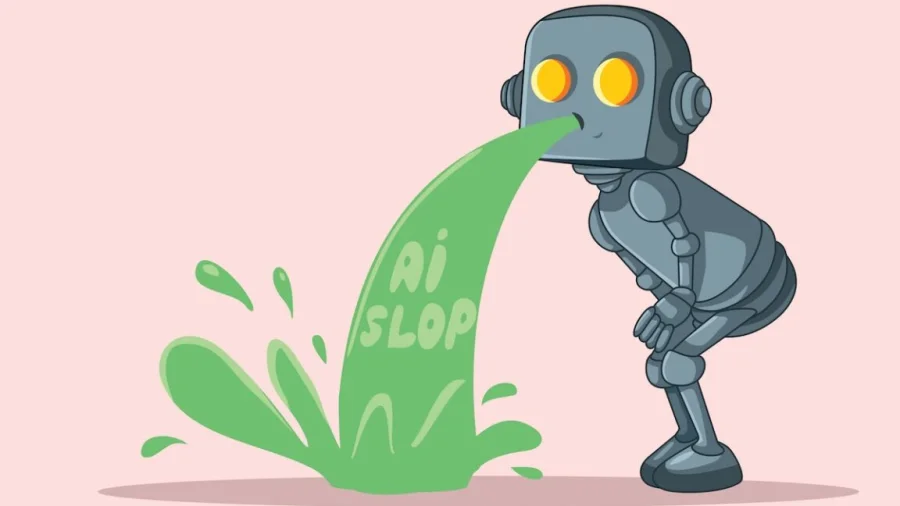
AI-generated slop has been flooding scientific literature. Fake citations, unedited chatbot responses, and nonsensical diagrams have all made it past editors and peer reviewers. Now, one of the biggest preprint servers is fighting back.
According to a social media thread from Thomas Dietterich, a person involved with the physics and astronomy preprint server arXiv, the platform is implementing a strict new policy. Any submission found to contain inappropriate AI-produced content will result in a one-year ban from the server.
What the New arXiv Policy Means for Researchers
The penalty doesn't stop at a one-year timeout. After the ban is lifted, the submitter will face a permanent restriction. Any future papers they want to post on arXiv must first be accepted at a reputable peer-reviewed journal or conference. This means the arXiv will no longer host their work directly without that external validation.
This move targets a growing problem. AI tools can generate convincing-looking but completely false references, diagrams, and text. These "hallucinations" have polluted the peer-reviewed literature, and the problem has now spread to preprint servers like arXiv, which host research before it goes through formal review.
"Any inappropriate AI-produced content submitted to the server will result in a one-year ban and a permanent requirement that future publications undergo peer review before the arXiv will host them." — Thomas Dietterich, via social media
Why This Matters for Scientific Integrity
The policy is a direct response to the flood of AI-generated slop. Fake citations and unedited prompt responses waste the time of reviewers and readers. They also erode trust in the scientific record. By imposing a clear penalty, arXiv is sending a message that the platform is a privilege, not a right.
This is one of the first major preprint servers to enforce such a specific rule against AI-generated content. It sets a precedent for how other platforms might handle the same problem.
Our Take: A Necessary Step to Protect Science
This policy is a strong and necessary move. The one-year ban is a serious deterrent, but the permanent requirement for peer review is the real game-changer. It forces repeat offenders to prove their work is legitimate before it can appear on the server again.
Looking closely at this, the rule is smart because it targets the behavior, not the tool. It doesn't ban AI use entirely. It bans inappropriate use. This gives researchers a clear line: use AI to help, but don't use it to fabricate. The bottom line is that science relies on trust. This policy helps restore it.
Sources & References
- Ars Technica — Ars Technica