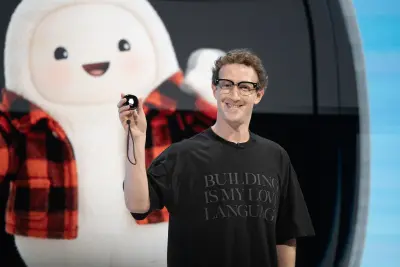

The OpenAI trial between Elon Musk and Sam Altman has officially wrapped up. After weeks of testimony and legal maneuvering, the case is now heading to the jury.
According to the New York Times, closing arguments were delivered this week. Musk's lawyer focused heavily on attacking Sam Altman's credibility. The central question that kept coming up: can we trust the people running AI companies?
Final Arguments Put Altman's Credibility on Trial
In the closing phase, Musk's legal team didn't hold back. They hammered Altman's business record and trustworthiness. The strategy was clear — if the jury doesn't believe Altman, Musk's case gets stronger.
The trial has been closely watched because it touches on the very founding story of OpenAI. Musk was an early co-founder and donor. He left and later sued, claiming the company abandoned its original nonprofit mission for profit.
What This Means for AI Governance
This case isn't just about two billionaires fighting. It's about who gets to decide the future of artificial intelligence. The jury will now decide whether Altman and OpenAI broke their promises.
TechCrunch reported that the trial's conclusion comes as Musk's other ventures, including SpaceX, move toward major financial milestones. But the core of this story remains the trust deficit in AI leadership.
"The final arguments kept circling back to one question: can we trust the people in charge of AI?" — TechCrunch
Our Take: Trust Is the Real Verdict
Looking closely at this, the trial exposed something bigger than a legal dispute. The public is being asked to trust a small group of people with technology that could reshape society. Musk and Altman both claim to want safe AI. But their legal battle shows how personal ambition and money complicate that mission.
The jury will deliver a legal verdict. But the real question — whether we can trust AI leaders — won't be answered by a court. That answer will come from how these companies behave going forward.