The political temperature in Delhi shot up sharply on Tuesday as Leader of the Opposition Rahul Gandhi launched a blistering attack on Prime Minister Narendra Modi and Union Home Minister Amit Shah, demanding an apology and their resignations over the police crackdown on student protesters at Jantar Mantar.
‘Completely Un-Indian’: Gandhi’s Sharp Rebuke
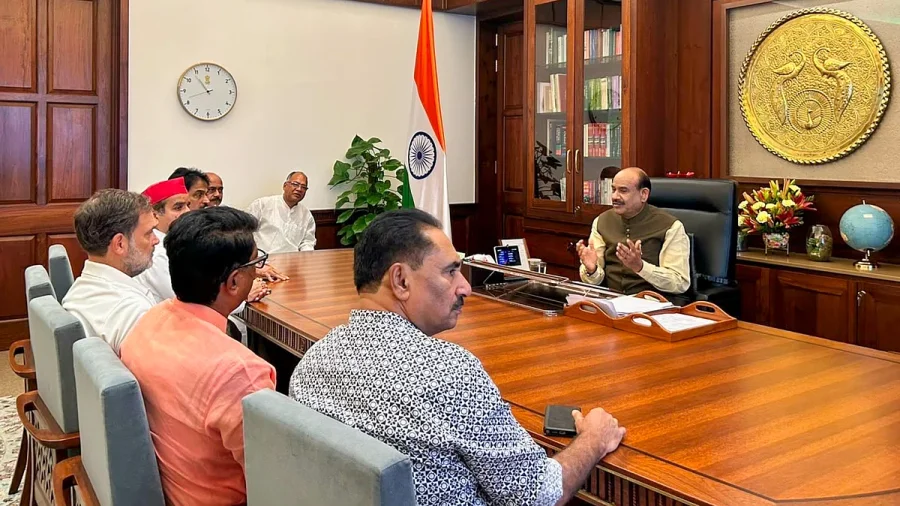
Speaking to reporters at the Parliament complex, Rahul Gandhi did not mince words. He termed the police action against young students participating in the ‘Sansad Chalo’ march as “completely un-Indian” and accused the government of ignoring the genuine concerns of students over the education and examination system.
Why This Attack Matters Now
The demand for resignation from the Leader of the Opposition is a significant escalation in the ongoing political confrontation. It directly targets the two most powerful figures in the government — Modi and Shah — over an issue that resonates deeply with young voters and students across the country. The protest at Jantar Mantar, led by the Combined Judicial Process (CJP), had drawn attention to alleged flaws in the examination system, and the police action has now become a flashpoint in Parliament.
What Rahul Gandhi Said
“Modi ji has not even apologised for what has happened yesterday,” Gandhi said, referring to the police action during the march. “He should apologise to the students and stop this nonsense.” He went further, calling for the resignation of both the Prime Minister and the Home Minister, holding them directly responsible for the conduct of the police.
Who Is Affected by This Political Row
Beyond the immediate political slugfest, the incident affects lakhs of students who have been demanding reforms in the examination system. The police action has also raised questions about the right to peaceful protest in India. For the Opposition, this is an opportunity to corner the government on a human rights and youth-centric issue. For the government, it is a test of its handling of dissent and its relationship with the student community.
Government’s Silence and Opposition’s Strategy
As of now, there has been no official response from the Prime Minister’s Office or the Home Ministry to Rahul Gandhi’s demands. The Opposition is expected to use this incident to press for a formal apology and a parliamentary inquiry into the police conduct. The coming days will likely see intensified debate in both Houses of Parliament.
What the Police Action Means for Student Protests
The crackdown at Jantar Mantar is being seen by critics as a warning to student activists. Supporters of the government, however, argue that the protest was unlawful and that police acted within their rights to maintain order. The incident has reignited a national conversation about the balance between security and the right to peaceful assembly.
Confirmed Facts vs What Remains Unclear
Confirmed: Rahul Gandhi demanded an apology from PM Modi and resignation of both Modi and Amit Shah over police action at Jantar Mantar. He called the action “completely un-Indian.” The protest was part of the ‘Sansad Chalo’ march led by CJP.
Unclear: Whether the government will respond formally to the demand. The exact details of the police action and the number of students affected have not been independently verified from official sources. The specific nature of the students’ demands regarding the examination system remains part of the ongoing protest narrative.
Risks and Balanced View
While Rahul Gandhi’s attack has galvanised the Opposition, it also risks being seen as a purely political move rather than a genuine concern for students. Critics may argue that the demand for resignation is disproportionate to the incident. On the other hand, supporters of the government maintain that the police action was necessary to prevent a breach of peace and that the Opposition is exploiting the situation for political gain. The incident highlights the deep partisan divide over the handling of protests in India.
Wider Pattern of Political Confrontation Over Protests
This is not the first time student protests have become a political battleground. From the JNU fee hike protests to the anti-CAA demonstrations, student activism has often drawn sharp responses from the government and counter-mobilisation from the Opposition. The Jantar Mantar incident fits into a broader pattern of how dissent is managed and politicised in India.
What Students and Citizens Should Know
For students and citizens watching this unfold, the key takeaway is that the issue of examination reforms remains unresolved. The political drama should not distract from the core demand for a fair and transparent education system. Those concerned can follow official updates from the Ministry of Education and track parliamentary debates for any concrete action.
What Happens Next
The immediate future will see continued political sparring in Parliament. The Opposition is likely to demand a statement from the Home Minister and a possible inquiry. The government may choose to ignore the demand for resignation or respond with a defence of the police action. The student protest itself may see renewed momentum or fizzle out depending on political support.
Our Take
Rahul Gandhi’s demand for an apology and resignation is a high-stakes political move that puts the government on the defensive. However, the real issue — the students’ concerns over the examination system — risks being overshadowed by the political slugfest. Both sides would do well to remember that the credibility of India’s democratic institutions depends on how they treat the youngest citizens exercising their right to protest. The incident at Jantar Mantar is not just a political flashpoint; it is a test of the government’s commitment to listening to the voices of its youth.
Frequently Asked Questions
Why did Rahul Gandhi demand an apology from PM Modi?
Rahul Gandhi demanded an apology because he believes the police action against student protesters at Jantar Mantar was unjust and “completely un-Indian.” He said PM Modi has not apologised for the incident.
What was the student protest about?
The protest, led by the Combined Judicial Process (CJP), was a ‘Sansad Chalo’ march demanding reforms in the education and examination system. Students alleged flaws in the current system.
Did Rahul Gandhi also demand resignations?
Yes, he demanded the resignation of both Prime Minister Narendra Modi and Union Home Minister Amit Shah, holding them responsible for the police action.
Has the government responded to these demands?
As of the latest reports, there has been no official response from the Prime Minister’s Office or the Home Ministry to Rahul Gandhi’s demands.